Planning Your Route: Roads, Rest Stops & Resources
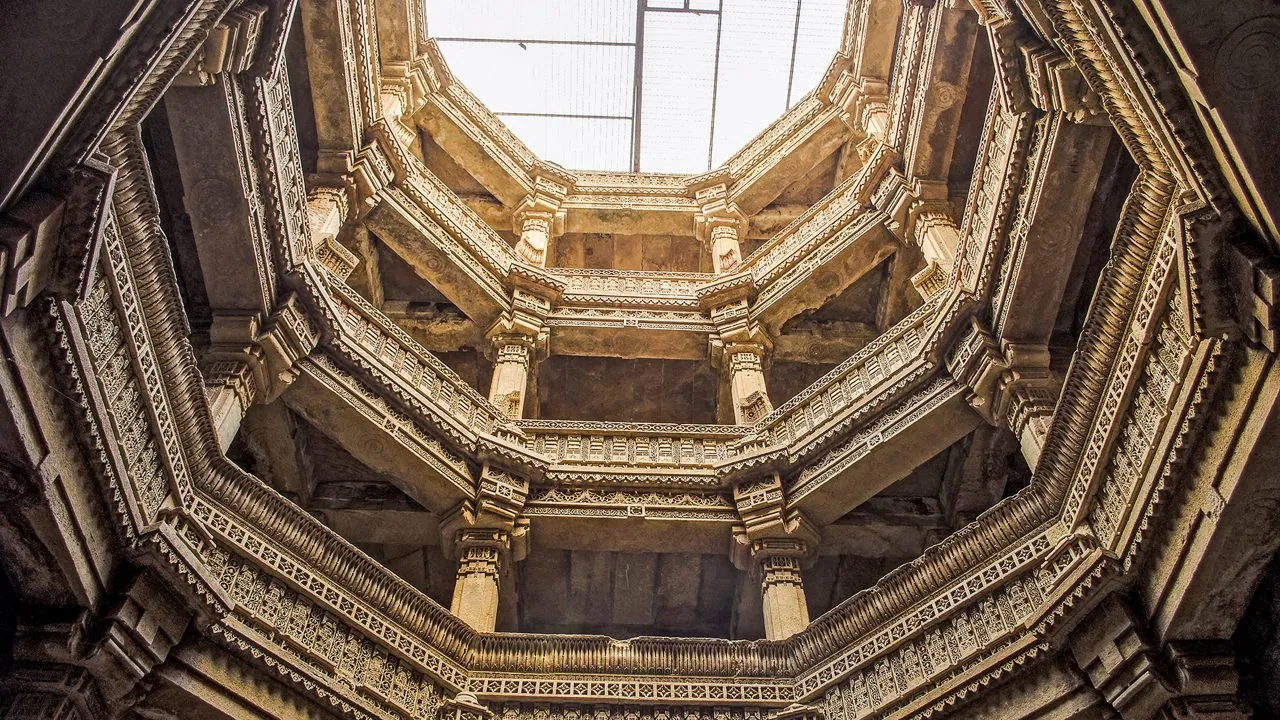
The 350-kilometre drive from Ahmedabad to the Rann of Kutch takes approximately six to seven hours, making it an ideal overnight road trip that ranks among western India's most scenic journeys. The most popular route follows NH-27 through Sanand and Viramgam before branching toward Bhuj via the Surajbari Bridge — a stretch that dramatically transforms from Gujarat's industrial heartland into the vast, arid beauty of Kutch. The road conditions have improved significantly in recent years, with well-maintained four-lane highways covering most of the journey, though the final stretch from Bhuj to Dhordo (the gateway village to the White Rann) remains a two-lane road that demands more careful driving, especially after dark. Strategic rest stops include the Wadhwan heritage town for its stunning step-wells and royal residences, the Halvad junction for authentic Gujarati thali meals at highway dhabas, and the Bhuj city itself which deserves at least a full day's exploration. Fuel stations are plentiful along NH-27 but become sparse after Bhuj, so topping up before the final sixty-kilometre stretch to Dhordo is essential. For those preferring not to drive, the GSRTC Volvo bus service from Ahmedabad to Bhuj offers comfortable overnight travel, while the Kutch Express train provides a budget-friendly alternative with the romantic appeal of watching the landscape shift from green to golden to white through your window.
The White Desert Experience: What to Expect at Rann Utsav
The Rann Utsav, Gujarat's flagship tourism festival running from November through February, transforms the otherworldly White Rann into a curated cultural extravaganza that still retains its raw, elemental power. The festival site at Dhordo features a tent city ranging from AC luxury tents with attached bathrooms to more modest options, all arranged in a crescent facing the vast salt flat. The experience peaks at sunset when the entire Rann transforms into a mirror reflecting the sky's changing colours — from burnished gold through rose pink to deep indigo, creating a visual spectacle that visitors consistently describe as among the most beautiful they have ever witnessed. Full moon nights are particularly magical, when the salt crystals catch moonlight and the entire desert glows with an ethereal silver luminescence that extends to every horizon. The cultural programme includes performances by Kutchi folk musicians, Siddi dancers whose African-origin rhythms are unique to Gujarat, and artisan demonstrations showcasing the intricate embroidery, bandhani tie-dye, and Rogan art painting that have made Kutchi craftsmanship world-renowned. Camel rides across the salt flat, ATV adventures along the Indo-Pakistan border, and paramotoring flights that reveal the Rann's staggering scale from above round out the adventure offerings.
Exploring Greater Kutch: Beyond the White Rann
While the White Rann understandably dominates most itineraries, restricting your Kutch experience to the salt desert means missing some of India's most fascinating cultural and natural landscapes. Bhuj itself is a treasure trove, its walled old city containing the ornate Aina Mahal (Mirror Palace) with its European-influenced hall of mirrors, the Prag Mahal's Gothic-Indo-Saracenic architecture, and the bustling Shroff Bazaar where generations of silversmiths, weavers, and embroiderers practice their craft in tiny workshops. The villages surrounding Bhuj — Bhujodi for weaving, Nirona for Rogan art and copper bell-making, Ajrakhpur for block printing, and Hodka for mud-mirror work and leather embroidery — form a living craft trail that UNESCO has recognised as one of the world's most concentrated repositories of textile heritage. The Banni grasslands, home to the indigenous Banni buffalo breed and migratory bird populations, stretch endlessly toward the horizon like an Indian savanna. India Bridge, the geological curiosity connecting mainland Gujarat to Khadir Island, leads to Dholavira, a remarkably preserved Indus Valley Civilisation site dating back five thousand years whose sophisticated water harvesting system and urban planning continue to astound archaeologists.
Photography Tips: Capturing the White Desert Magic
The Rann's endless white surface creates unique opportunities for surreal photography, but composition requires careful planning to master this extraordinary landscape. The most compelling images emerge during the golden hours — the first thirty minutes after sunrise and the final hour before sunset — when the low-angle light rakes across the salt crystals creating subtle shadows and warm tones that give dimension to the otherwise flat expanse. Wide-angle lenses between 16-35mm capture the Rann's overwhelming scale, but a telephoto lens (70-200mm) proves invaluable for compressing the shimmering heat haze into abstract layers of colour and texture. Silhouette photography works brilliantly against the Rann's dramatic sunsets: position subjects — camels, local villagers, your travel companions — against the blazing western sky for images that look straight out of a cinematic masterpiece. The craft villages offer equally compelling subjects: the intense concentration on a Rogan art painter's face as she draws molten pigment across fabric, the geometric precision of Ajrakh block printing stamps, or the kaleidoscopic colours of embroidered textiles spread across a mud-walled courtyard. Night photography at the Rann is extraordinary — with virtually zero light pollution, long-exposure images capture the Milky Way arching over the salt desert in stunning clarity, while the tent city's warm lights provide perfect foreground interest for astrophotography compositions.
Practical Tips: Timing, Packing & Cultural Sensitivity
Timing your Kutch road trip correctly can mean the difference between a good experience and an unforgettable one. The Rann Utsav season (November-February) offers the most comfortable temperatures, hovering between 12-28°C, and guarantees access to the tent city and cultural programmes. However, visiting in early November or late February means thinner crowds and more intimate interactions with local communities. Pack layers — desert nights can drop to near-freezing temperatures despite warm afternoons, and the open salt flat amplifies wind chill considerably. Sunscreen, sunglasses, and a wide-brimmed hat are non-negotiable during daytime Rann visits, as the white surface reflects UV radiation with intense efficiency. A good scarf or shemagh-style cloth serves triple duty: sun protection, dust shield during windy stretches, and respectful covering when visiting the conservative rural communities of Kutch. When visiting craft villages, always ask permission before photographing artisans at work, purchase directly from makers rather than middlemen to ensure fair compensation, and resist the urge to bargain aggressively — these artisans price their work fairly and their skills represent generations of accumulated knowledge. The local Kutchi cuisine deserves exploration: dabeli (the spiced potato burger unique to Kutch), Kutchi dabba gosht (slow-cooked mutton), and the distinctive mawa (milk-based) sweets make this road trip as much a culinary journey as a visual one.