Ferry Travel and Island-to-Island Navigation
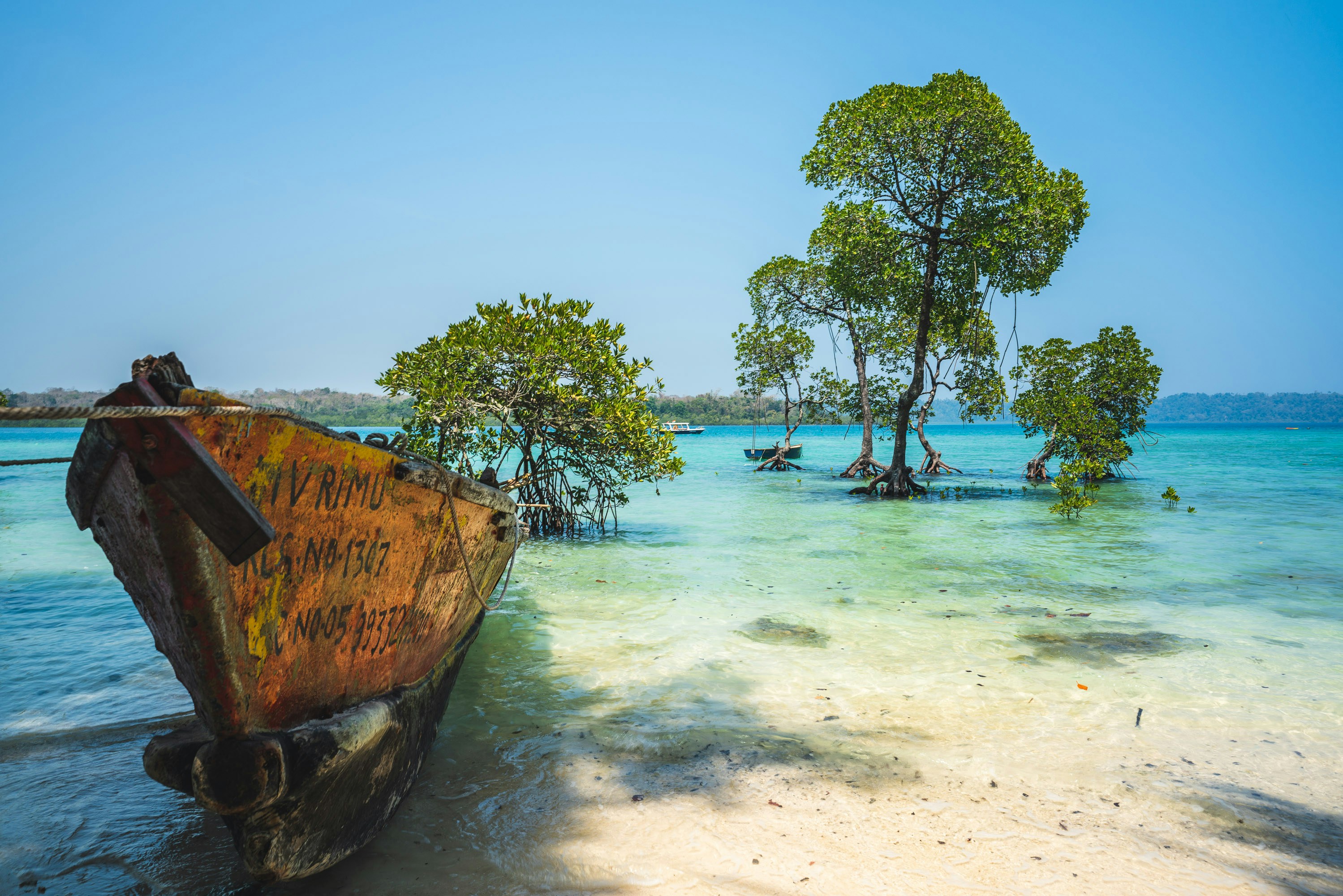
Book ferry tickets at least one day in advance during peak season (November-April), as daily boats frequently fill to capacity with limited availability for walk-up travelers seeking spontaneous island travel. Ferries depart early morning (6:00-7:00 AM) from Port Blair, making overnight stays essential before inter-island travel—plan accordingly when structuring multi-island itineraries. Bring seasickness medication if prone to motion sickness; ferry journeys can last 2-3 hours with sometimes rough seas creating significant wave action, particularly during monsoon season. Carry your passport and government-issued identification at all times—Andaman travel involves internal checkpoints and permits requiring document verification.
Diving Certifications and Safety Protocols
Obtain PADI or other internationally-recognized diving certifications before traveling if you plan serious diving, as advanced courses and specialized dive trips require proof of certification from established training bodies. Dive with only licensed operators maintaining current safety equipment, regular maintenance logs, and professional diving instructors—cutting costs on operators often results in substandard safety practices endangering your life. Conduct pre-dive medical checks if you have any health conditions, as diving demands cardiovascular fitness and specific lung capacity—compressed air breathing creates unique physiological stresses incompatible with certain medical conditions. Respect recommended dive depth limits and decompression protocols religiously; nitrogen narcosis at depth and decompression sickness remain serious dangers that proper training and protocol adherence prevent.
Beach Life Essentials and Sun Protection
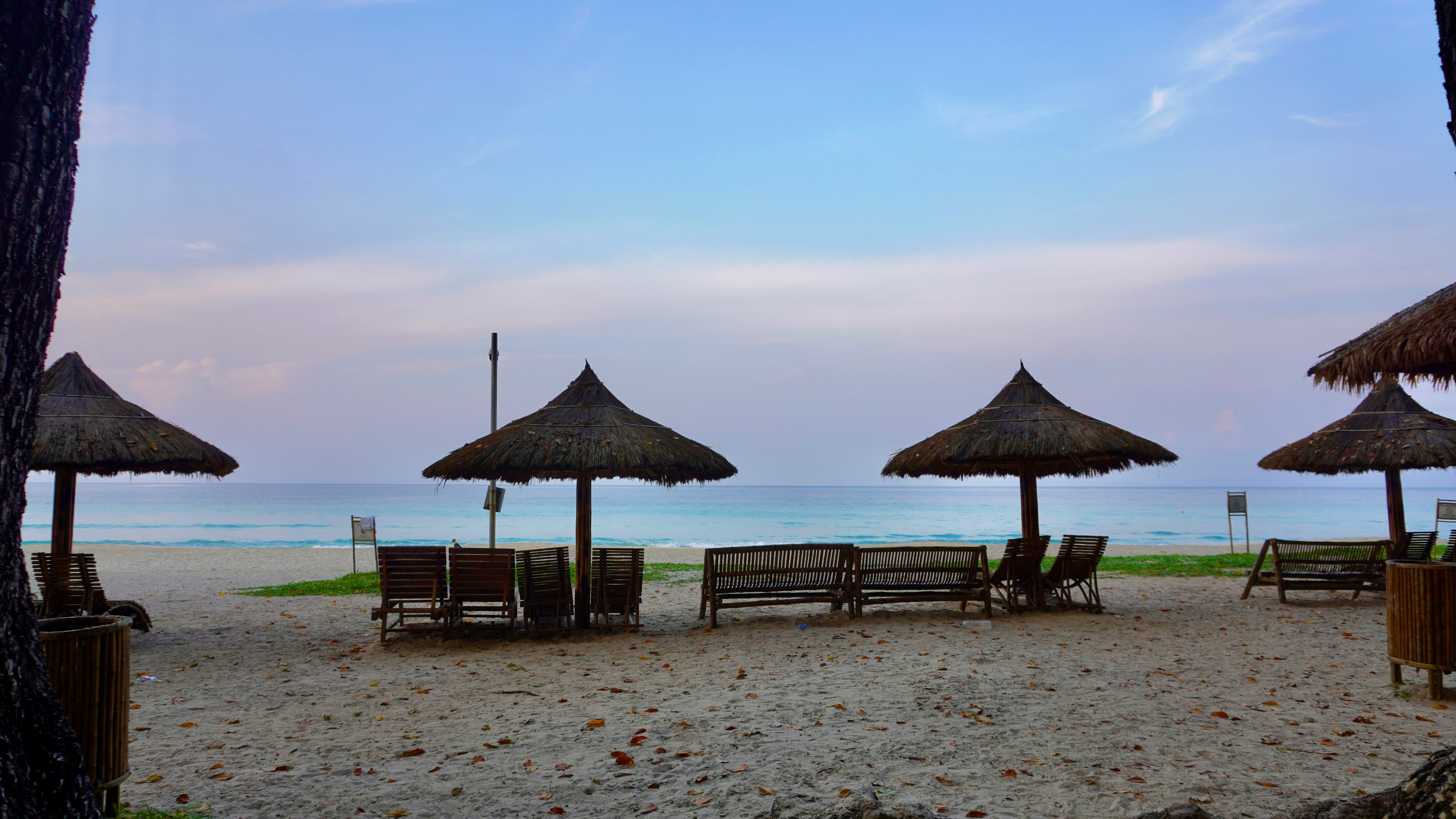
Use reef-safe sunscreen exclusively, as chemical sunscreens containing oxybenzone and octinoxate damage coral DNA and accelerate bleaching—Andaman's reefs face enough pressure without additional chemical stress from sunscreen. Reapply sunscreen every 60-90 minutes, or immediately after swimming, as reef exposure and intense tropical sun create severe sunburn risks despite feeling cooler in water. Wear protective rash guards or wetsuits for extended water time, reducing sun exposure while providing thermal protection during longer water activities—additional benefits include protection from sea urchins and coral cuts. Hydrate extensively with electrolyte drinks, not pure water alone; tropical climate combined with sun exposure and salt water creates rapid dehydration requiring mineral replacement beyond water intake.
Marine Wildlife Encounters and Responsible Observation
Maintain minimum 6 feet distance from sea turtles, rays, and reef sharks—these creatures deserve space, and close approaches stress them while increasing injury risk to yourself from defensive behaviors. Never touch, feed, or pursue marine life regardless of how docile they appear; human interaction disrupts natural behaviors, causes stress-related illness, and potentially trains animals to approach humans dangerously. Avoid night activities on beaches where sea turtles nest; light pollution disorients hatchlings while human presence causes nesting females to abandon eggs—some beaches enforce strict nighttime access restrictions protecting nesting habitat. Report injured marine animals to local environmental authorities rather than attempting rescue; improper handling often worsens injuries while potentially transmitting human pathogens to wildlife.
Practical Island Logistics and Health Precautions
Carry comprehensive medical supplies including broad-spectrum antibiotics, anti-diarrheal medication, antihistamines, and prescription medications; island pharmacies stock limited selections and emergency medical evacuation by sea can require 6+ hours. Schedule dental work before traveling, as island dental facilities offer emergency care only; severe toothaches in remote locations create significant suffering without proper treatment availability. Travel with comprehensive travel insurance covering medical evacuation and activity-specific coverage for diving and water sports; mainland hospitals require evacuation flights costing tens of thousands of dollars without insurance protection.