Island Geography: Isolation Creates Unique Biodiversity
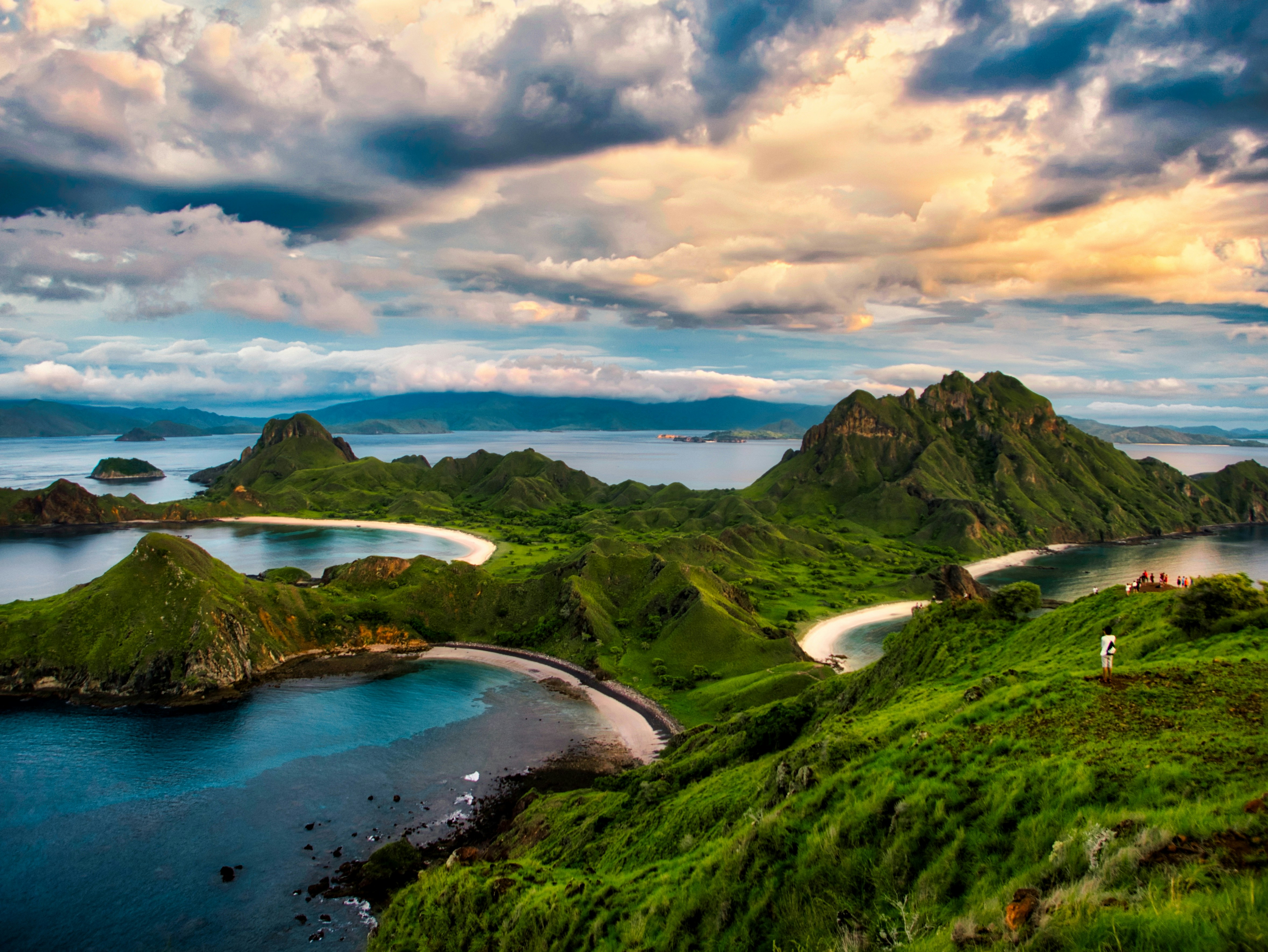
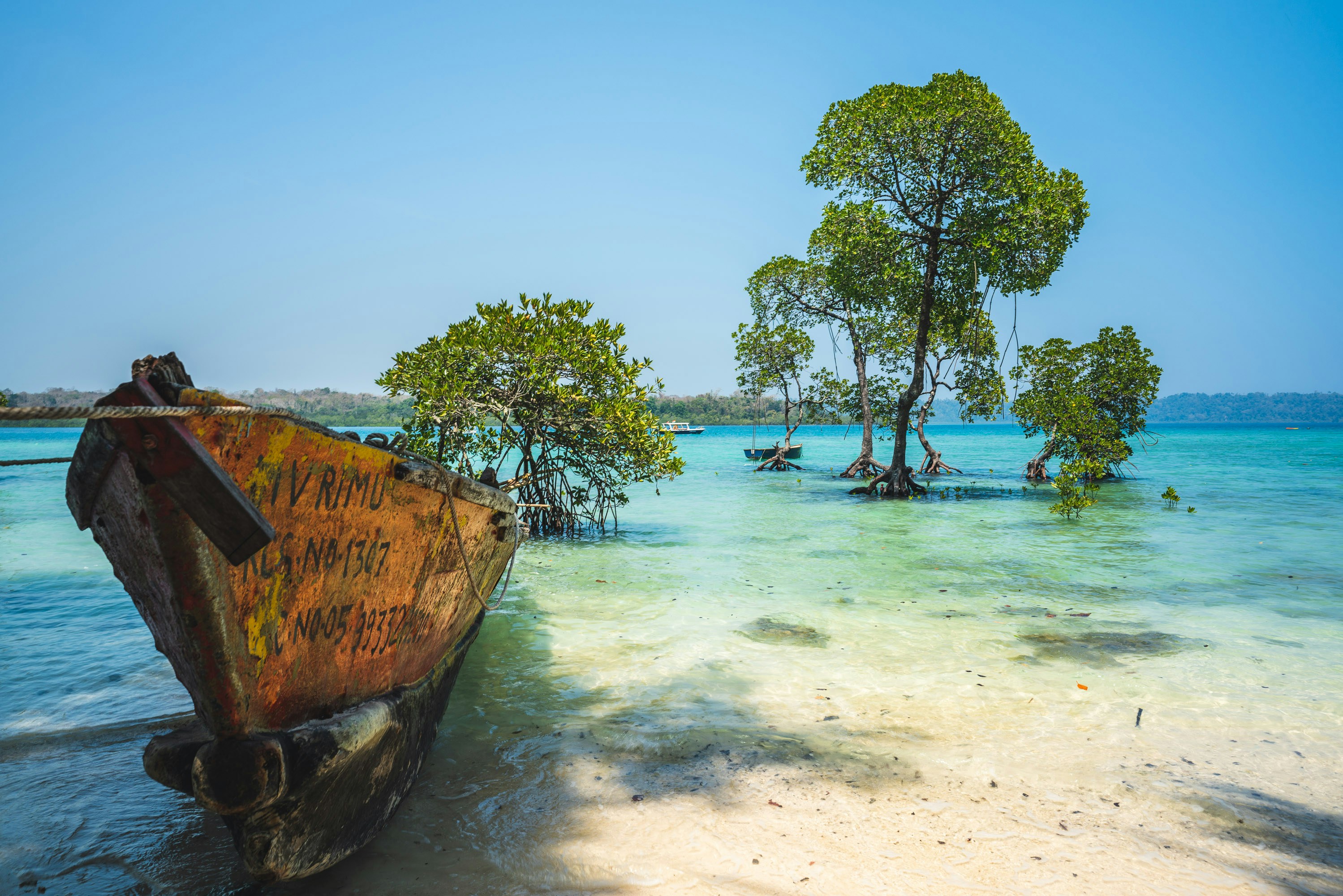
The Andaman Islands, located over 1,000 kilometers from mainland India in the Bay of Bengal, have remained geographically isolated for thousands of years, creating unique ecosystems where endemic species—found nowhere else on Earth—evolved in protected isolation. The islands' lush tropical forests harbor unique bird species, endemic monitor lizards, and plant species adapted to island conditions over millennia, creating biodiversity hotspots recognized internationally as requiring conservation priority. Coral reefs surrounding the islands represent some of the Indian Ocean's most pristine examples, with healthy coral coverage and diverse fish species abundance reflecting relatively lower human impact compared to mainland coastal areas. This geographic isolation creates psychological impact on visitors—the sense of remoteness, the feeling of existing outside normal space and time, appeals to adventurers seeking escape from continental existence and urban pressures.
Adventure Opportunities: Beyond Standard Tourism
Scuba diving at Andaman reaches technical levels—cave diving, wreck diving, and night dives appeal to experienced divers seeking challenges beyond recreational limits, with numerous World War II shipwrecks providing dramatic dive sites combining history with underwater adventure. Rock climbing and rappelling at scenic locations like Neil Island's rock formations and limestone cliffs appeal to adventure enthusiasts seeking vertical exploration, with local guides providing safety equipment and expertise. Sea kayaking through mangrove forests and between islands offers paddling adventures where you navigate tidal channels, explore remote inlets, and potentially encounter dolphins and sea eagles—these intimate explorations create different experiences than motorized boat tourism. Jungle trekking through island interior rainforests reveals endemic species, archaeological sites, and uninhabited areas where nature dominates human infrastructure, appealing to adventurers seeking wilderness immersion.
The Call of the Untamed: Why Adventurers Return to Andaman
The Andaman Islands embody a frontier spirit that appeals to adventurous personalities—exploring relatively undeveloped islands, encountering weather unpredictability, navigating bureaucratic requirements for island travel, and engaging with pristine wilderness create challenges that invoke adventurous response. The waters, filled with sharks, sea snakes, and strong currents, demand respect and careful risk management, transforming water activities from recreation into serious adventures where proper preparation and caution prove essential. The isolation—being kilometers from medical facilities, functioning hospitals, and rescue resources—creates psychological intensity absent from typical tourist destinations, where danger remains present enough to feel real yet manageable through intelligent precautions. For adventurers, this combination of natural beauty, environmental challenge, and manageable danger creates destinations that test capabilities while rewarding with unforgettable experiences and genuine accomplishment.

Respecting Untouched Spaces: Indigenous Peoples and Protected Lands
The Andaman Islands are home to several indigenous tribes—the Jarawa, Great Andamanese, Onge, and Sentinelese—whose presence predates human civilization on the mainland by millennia and whose lands form the true foundation of island history. Most tribal lands remain legally protected and off-limits to tourists; respecting these boundaries demonstrates recognizing indigenous sovereignty and preventing cultural disruption that tourism inevitably creates. The Sentinelese remain famously hostile to outside contact, violently defending their island isolation—respecting their autonomy and protecting their right to refuse engagement with external world represents ethical tourism practice acknowledging indigenous peoples' rights to refuse development and maintain traditional lifestyles.
Sustainable Adventure: Leaving No Trace and Protecting Paradise
Adventure tourism can damage fragile ecosystems if pursued without environmental consciousness—coral bleaching from careless diver contact, plastic pollution accumulating in remote beaches, and habitat disturbance from unmanaged trekking represent serious concerns in protected island environments. Responsible adventurers minimize environmental footprint by using reef-safe sunscreen, carrying out all waste, limiting noise pollution during wildlife viewing, and avoiding wildlife disturbance regardless of photographic opportunity. Supporting conservation organizations working to protect island ecosystems demonstrates commitment to preserving these environments for future generations—a perspective that transforms adventure tourism from extractive experience into partnership with place and acceptance of responsibility for environmental stewardship.