Baku: Modern Marvel Embracing Ancient Heritage
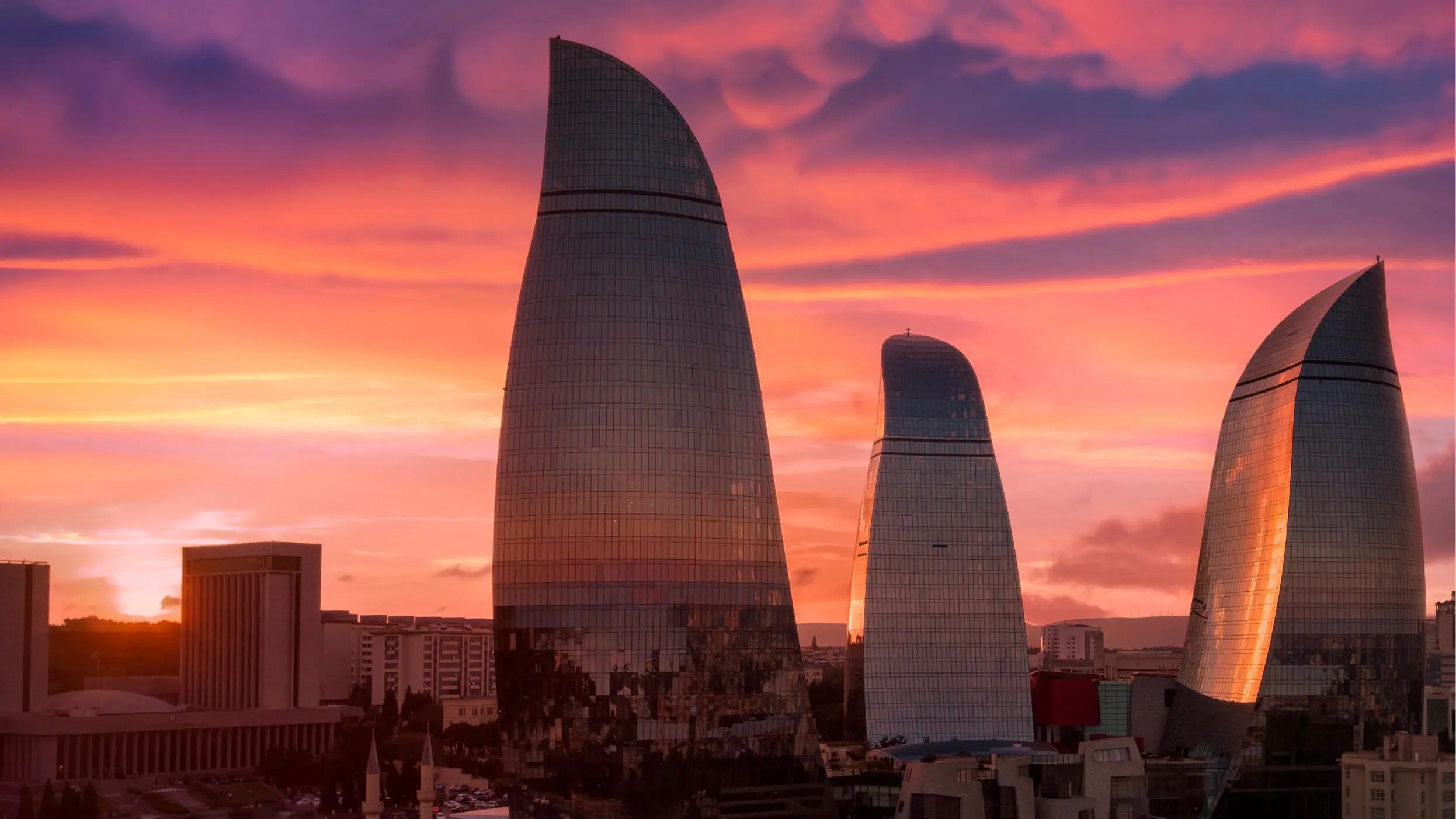
Baku, Azerbaijan's dynamic capital, embodies striking contrasts between futuristic architecture and ancient history that make it genuinely unique among global cities. The contemporary Flame Towers—three crescent-shaped buildings sheathed in LED screens displaying flickering flames—dominate the skyline and symbolize national identity rooted in natural fire phenomena and modernity simultaneously. Designed by world-renowned architects, the towers create nighttime spectacle visible from most locations, modern ambition expressed through technological mastery and bold design. Yet immediately adjacent to Flame Towers sits the medieval Old City, UNESCO-protected winding streets preserving Silk Road atmosphere with defensive walls built centuries ago. The Old City's narrow alleyways reveal traditional bazaars where merchants sell copperware, textiles, spices, and souvenirs, where carpet vendors negotiate with customers using traditional techniques unchanged for generations. The 12th-century Maiden Tower stands mysteriously, its origins debated by historians and its function ambiguous, yet its presence anchors Old City history. The Palace of the Shirvanshahs, with intricate stone carvings and multiple courtyards, demonstrates architectural sophistication of medieval kingdoms. Modern museums, theaters, and cultural institutions demonstrate Azerbaijan's commitment to preserving heritage while embracing contemporary development, creating city that honors past while confidently inhabiting present. Walking from Old City to Flame Towers journey spans centuries architecturally and spiritually, illustrating Azerbaijan's narrative of historical continuity meeting modern ambition.
Sheki: Mountain Town Craftsmanship & Palace Magnificence
Sheki sits nestled romantically in Caucasus foothills, famous internationally for traditional silk production continuing unbroken for centuries and the stunning Sheki Palace (Khan's Palace) featuring intricate tilework and soaring stained glass windows reflecting light dramatically throughout interiors. The palace's architectural sophistication demonstrates medieval builders' mastery of aesthetic principles, with geometric patterns on walls and hand-painted ceilings showcasing artisan dedication and artistic vision. The town's bustling bazaar buzzes with authentic energy where artisans continue centuries-old craft traditions, creating carpets using traditional looms, crafting copperware through hammer and anvil techniques, and producing souvenirs using methods passed through generations from master to apprentice. Watching craftspeople work reveals technical sophistication invisible in finished products. Surrounding Caucasus foothills offer hiking opportunities providing physical activity and panoramic mountain vistas. Traditional guesthouses provide authentic hospitality and home-cooked Azerbaijani cuisine revealing regional culinary variations developed through mountain geography and local agriculture. Staying overnight immersion reveals village rhythm inaccessible to day-trippers; morning tea ceremonies, evening social gatherings, and family meals demonstrate cultural values emphasizing hospitality and community connection. The surrounding landscape creates sense of protected world isolated from global complexity; villages maintain traditional practices despite modernization creeping into bigger cities. Sheki represents Azerbaijan's cultural heartland where ancient traditions persist vibrantly, where contemporary commercial pressures haven't yet erased traditional knowledge and practices.
Ganja & Land of Fire Natural Wonders
Ganja, Azerbaijan's second-largest city, preserves historic architecture while serving as crucial gateway to otherworldly natural attractions including Yanardag mountain where natural gas fires have burned continuously for centuries, creating perpetual flames dancing across rocky slopes in mesmerizing displays. The Land of Fire's surreal landscape features mud volcanoes, spontaneous natural gas fires, and geological formations creating vistas unlike anywhere else globally—otherworldly terrain that seems more Martian than Earthly. These geological phenomena demonstrate Earth's raw power and geological processes operating beyond human scale, triggering spiritual connections and philosophical reflection on planetary history and human insignificance. Ancient Zoroastrians, recognizing these fires as divine manifestations, established fire-worship traditions embedded deeply in Azerbaijani cultural identity despite Islamic faith becoming dominant religion. The area attracts geology enthusiasts, spiritual seekers, photographers capturing surreal landscapes, and nature lovers experiencing raw planetary power. Visiting requires hiring local guides with road knowledge; independent navigation proves challenging across unmarked terrain. The experience creates visceral understanding of Earth as living system generating heat and chemical reactions, reminding observers of planetary processes continuing regardless of human activity or awareness. Sunsets at burning mountains produce dramatic lighting effects as flames glow intensely against darkening sky, creating photography opportunities and spiritual moments simultaneously.
Caspian Coast & Maritime Beach Experiences
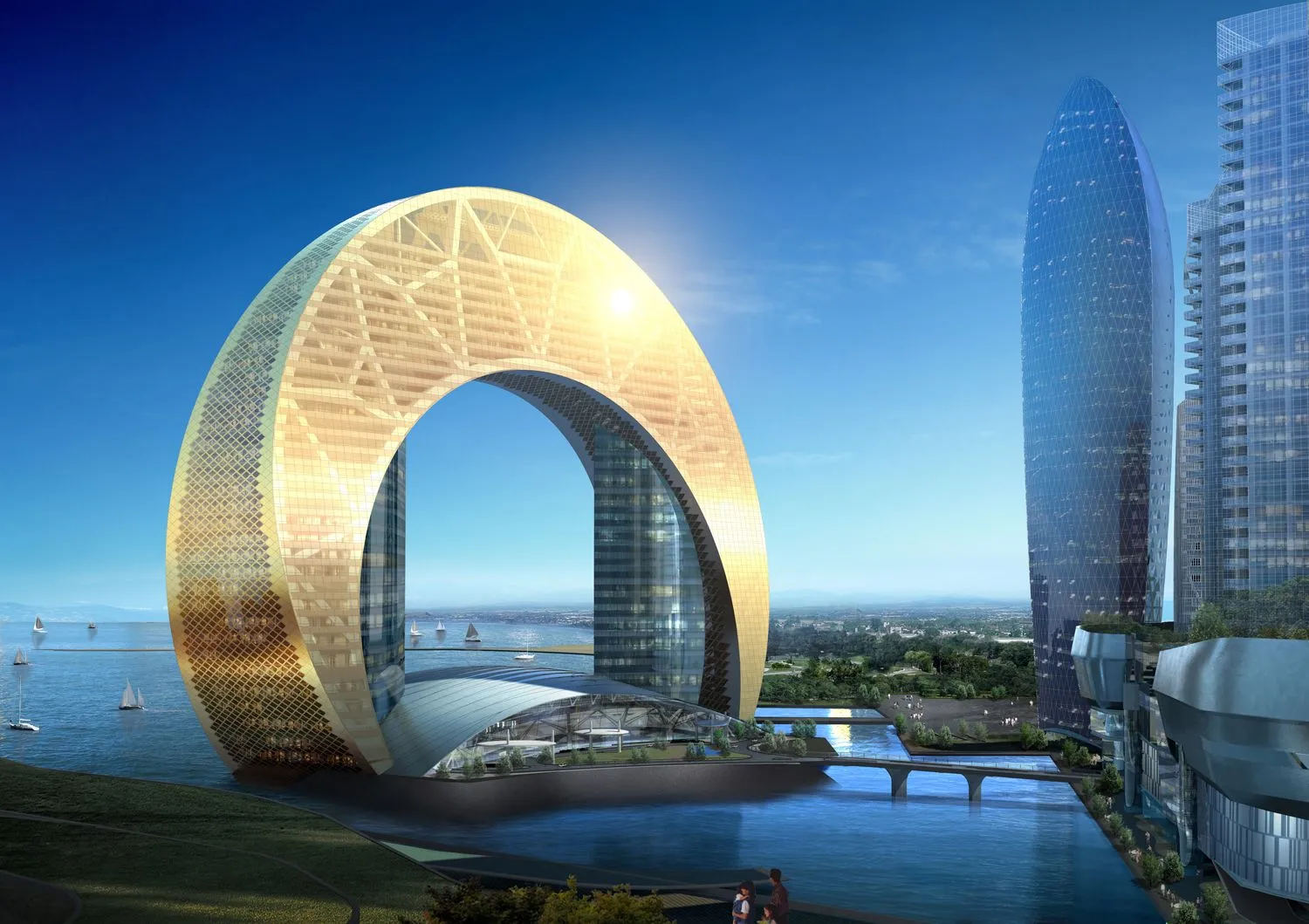
Baku's Caspian beachfront offers swimming, water sports including windsurfing and kayaking, and seafood dining with views extending across the sea toward Turkmenistan and Kazakhstan visible hazily on the horizon. The boulevard promenade provides leisurely walking routes with parks, fountains, cafes, and entertainment venues creating romantic evening atmosphere. The Heydar Aliyev Center's iconic curved architecture anchors the seafront, its bold design challenging architectural conventions and demonstrating contemporary Azerbaijani cultural confidence. The Oil History Museum reveals Baku's petroleum heritage crucial to regional economic development and geopolitical importance. Swimming in the Caspian Sea, saltier than typical Mediterranean waters, creates unusual buoyancy and therapeutic sensations. Coastal towns like Sumgait offer alternative beach experiences away from capital's urban intensity. Evening seaside walks reveal local families enjoying waterfront recreation, young couples seeking romantic moments, and retirees reflecting on lives lived. The sea breeze provides relief from summer heat while carrying salt spray and maritime atmosphere. Sunset dinners featuring fresh crab, fish, and shrimp caught locally offer culinary authenticity impossible inland. The waterfront creates informal meeting place where local life continues beyond tourist attention.
Azerbaijani Hospitality & Cultural Immersion Experiences
Azerbaijani people are renowned genuinely and authentically for extraordinary warmth and hospitality toward visitors, often inviting tourists into homes for traditional meals, conversations, and cultural exchange that become trip highlights. Tea ceremonies remain central to daily life; accepting offered tea demonstrates respect and opens pathways for deeper human connection. Hosts invest tremendous effort preparing foods—plov (fragrant rice dishes with meat and spices), kebabs grilled over charcoal, fresh vegetables, homemade breads∁4creating meals that nourish body and soul simultaneously. Traditional crafts including carpet weaving, copperware creation, and textile production remain important cultural expressions; observing artisans work reveals technical mastery and cultural pride. Music and dance remain important cultural expressions; attending traditional performances, folk music concerts, or festivals provides authentic cultural exposure beyond museum presentation. Visiting during Novruz celebrations (Persian New Year celebrated across region) reveals cultural continuity stretching back millennia. Photography policies require respectful inquiry; taking photos of people without permission disrespects cultural values. Learning basic Azerbaijani phrases—Salam (hello), Təşəkkür (thank you), Xoş olun (goodbye)—demonstrates cultural respect and opens social interaction doors. Meals shared with local families become valued memories surpassing museum visits or official tourist attractions. The genuine warmth encountered in small towns and villages particularly stands out, creating deeper appreciation of human connection transcending cultural and linguistic boundaries.