Crossroads of Civilizations & Historic Trade Routes
Azerbaijan occupies strategically crucial position between East and West, functioning as vital junction for historic Silk Road trade networks connecting distant China to Mediterranean shores through Central Asian routes. This crossroads geography created remarkable cultural synthesis where Persian, Turkish, Russian, and European influences merged into distinctive Azerbaijani identity unique among post-Soviet nations. Ancient cities like Sheki and Ganja preserve caravanserai architecture—roadside inns where traveling merchants and their animals rested, bazaar traditions emerging from centuries of commercial activity, and trading posts where merchants conducted commerce for centuries, negotiating, exchanging goods, and forging international relationships. The physical infrastructure of Silk Road—preserved stone pathways, ancient wells providing water for travelers, fortified waystation walls protecting merchants from bandits—demonstrates entrepreneurial sophistication and logistical mastery. Walking these historic towns connects contemporary travelers to millennia of human commerce, cultural exchange, and diplomatic contact that shaped global civilization. Carpet production emerged from this crossroads position, with different regions developing distinctive weaving patterns reflecting Persian, Turkish, and local Caucasian influences. The tea culture, social practices, architectural styles, and culinary traditions all reflect this historical position as cultural meeting point. Modern Azerbaijan consciously celebrates this heritage, recognizing tourism potential in historical narrative and cultural authenticity. Visiting represents participation in historical continuity, experiencing landscapes and places unchanged in essential character for centuries despite surface modernization.
Natural Phenomena & Geological Drama of Fire
Azerbaijan's burning mountains, mud volcanoes, spontaneous natural gas fires, and geological anomalies create landscape seemingly animated by supernatural forces, inspiring ancient Zoroastrian fire-worship traditions still culturally significant despite Islamic faith predominance. Yanardag's perpetual flames represent Earth's untamed power, reminding observers viscerally of planetary forces operating beyond human comprehension or control. These phenomena attracted pilgrims, philosophers, scholars, and traders throughout history, embedding natural wonders into cultural narratives and spiritual worldview for diverse populations recognizing divine manifestations in geological displays. The burning mountains operated as ancient lighthouses, visible flames guiding caravan travelers across dark deserts, their usefulness combining practical navigation function with spiritual significance. Ancient fire temples established near burning mountains served as pilgrimage destinations where believers worshipped natural fire as divine manifestation. Modern visitors experience similar awe despite secular worldviews; the sight of flames spontaneously emerging from Earth triggers spiritual reflection and philosophical questioning about humanity's place within geological processes. The flames' dancing movement creates almost hypnotic effect—watching flames flicker and surge generates meditative state and temporal disorientation. Photograph preservation proves challenging; camera batteries drain rapidly from thermal exposure, yet compelling need to document otherworldly vistas persists. The geological reality underlying the flames—natural methane deposits igniting from subsurface chemical reactions—combines scientific rationality with emotional transcendence. Many pilgrims report that geological explanation diminishes rather than eliminates the spiritual impact; understanding mechanism doesn't eliminate awe-struck wonder.
Contemporary Renaissance & Regional Ambition Expression
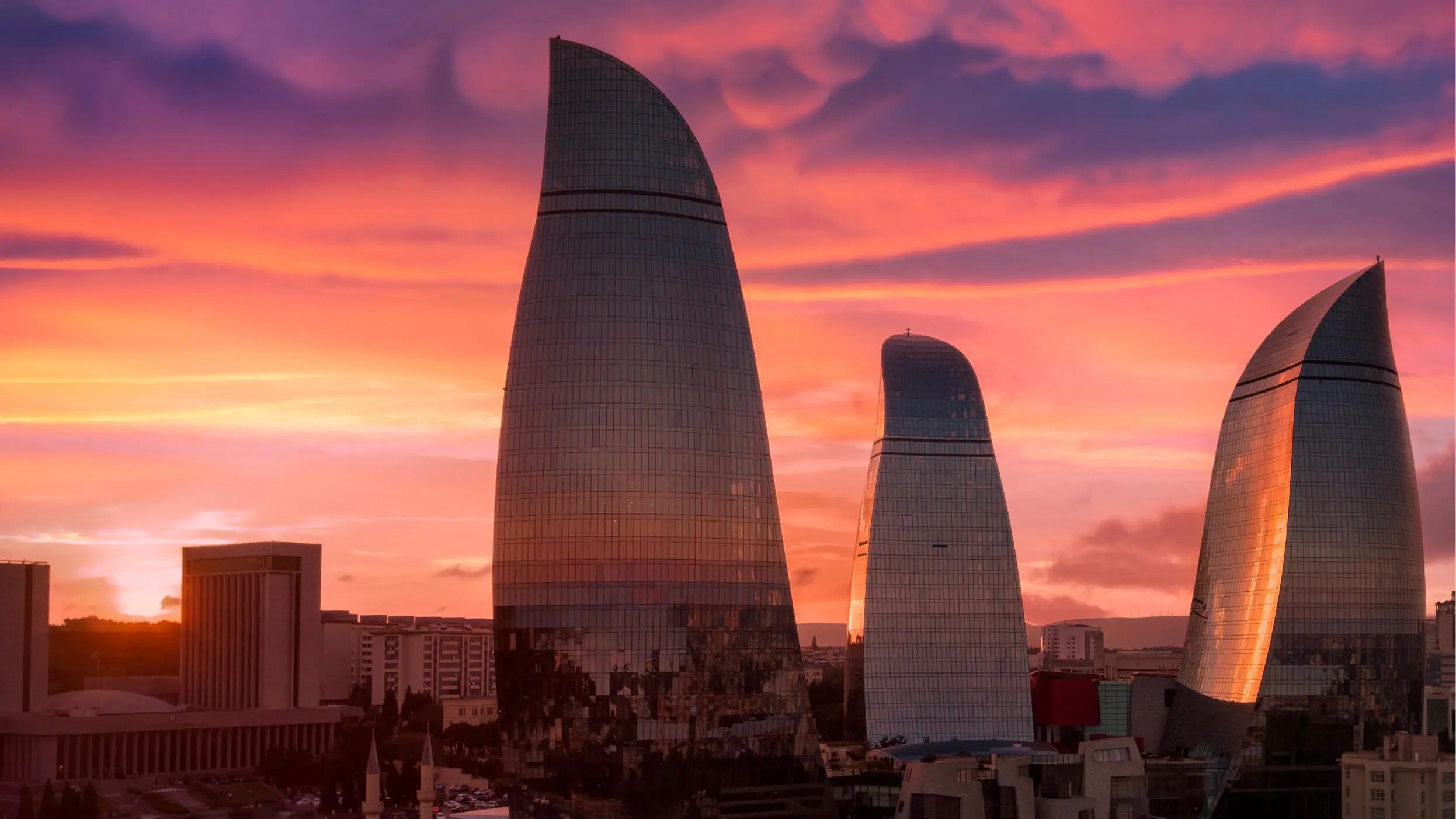
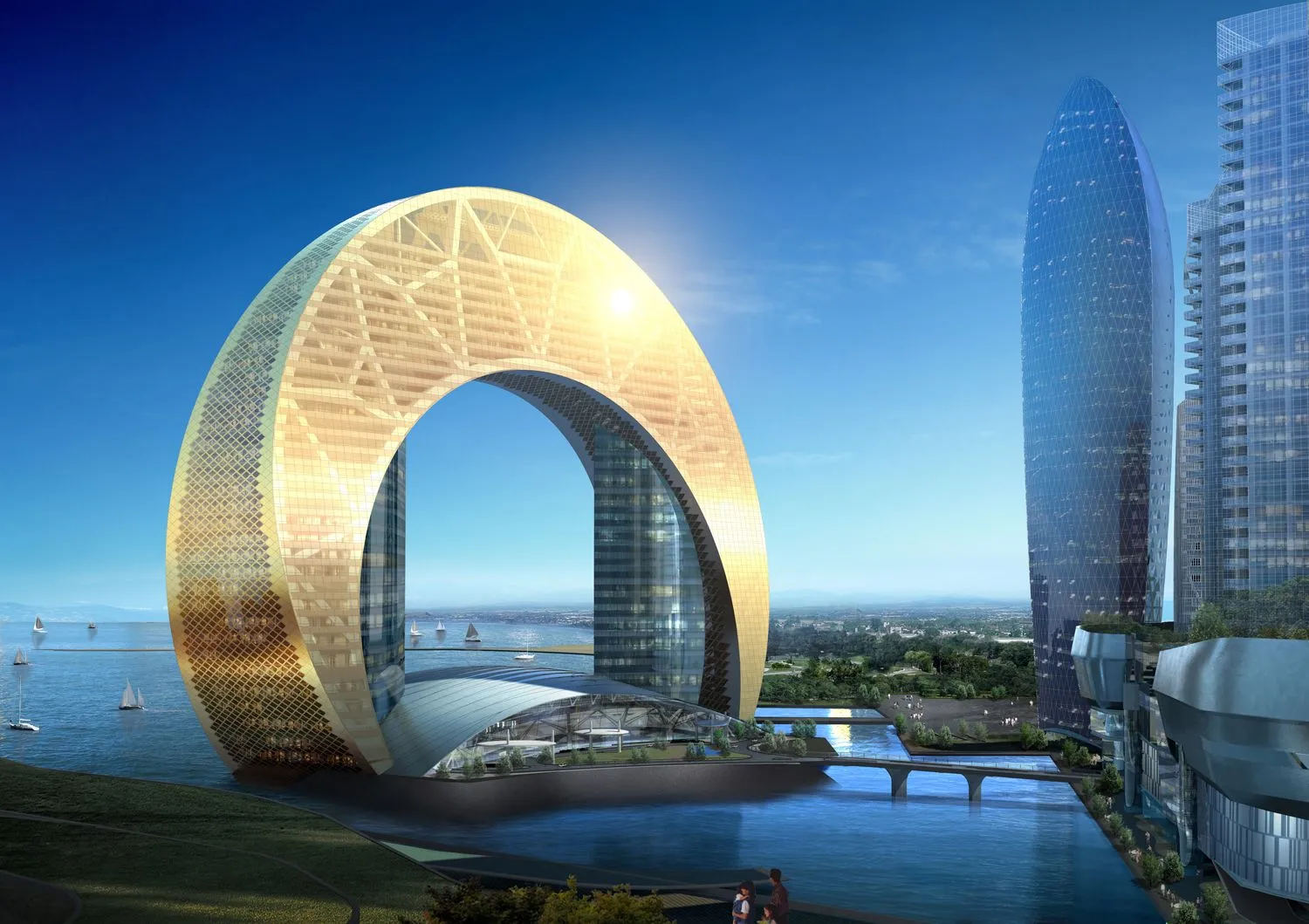
Modern Azerbaijan demonstrates remarkable economic development and conscious cultural ambition, hosting European Games showcasing international sporting excellence, investing in technology infrastructure including tech parks and digital economy initiatives, and positioning itself strategically as regional economic hub connecting Europe and Asia. Baku's architectural transformation from Soviet-era concrete apartment blocks to gleaming modern capital featuring Heydar Aliyev Center's curves, Flame Towers' bold geometry, and luxury hotels represents national aspirations and confidence in contemporary capabilities. This contemporary energy coexists productively with preservation of ancient heritage, creating unique blend where historical preservation and modern development support each other rather than competing destructively. The government consciously invests in cultural institutions, museums, theaters, and preservation projects recognizing cultural tourism economic importance and national pride significance. Young Azerbaijanis embrace modernity enthusiastically while maintaining cultural traditions—wearing traditional dress for celebrations while wearing contemporary fashion daily, speaking Azerbaijani alongside English and Russian, using smartphones while respecting family hierarchy. This dynamic balance characterizes successful cultural transition where societies adopt global modernity selectively while maintaining cultural distinctiveness. The rising generation exhibits confidence about Azerbaijan's place internationally, viewing their nation as ascending power rather than post-conflict struggling economy. This narrative of national renaissance appeals to visitors interested in observing contemporary nation-building projects and regional geopolitical dynamics.
Cultural Resilience & Contemporary Identity Formation
Azerbaijani culture remains distinctly itself despite turbulent history including centuries of foreign domination, regional conflicts creating refugee crises, and outside pressures to assimilate into dominant neighboring cultures. Carpet weaving traditions continue unbroken through centuries, with contemporary weavers maintaining techniques, pattern knowledge, and aesthetic values learned from previous generations. Poetry traditions celebrate cultural nationalism; contemporary Azerbaijani poets write in language consciously preserving literary heritage while addressing modern themes. Music heritage extends from folk traditions to classical compositions to contemporary popular music; each generation adds to musical conversation while respecting ancestral foundations. Language preservation proves crucial to cultural continuity; despite Soviet-era pressure toward Russian assimilation and contemporary globalization toward English adoption, Azerbaijani language remains spoken widely with pride in linguistic distinctiveness. Contemporary Azerbaijan balances modernization eagerly pursued without losing cultural identity maintained consciously. Young people travel internationally, adopt global fashion trends, pursue technology careers, yet retain connection to traditions through family meals, holiday celebrations, and cultural respect. This dynamic culture remains neither entirely Western nor rigidly traditional but authentically Azerbaijani, evolving while maintaining continuity. The cultural resilience reflects national determination to survive geopolitical pressures and emerge stronger culturally if not territorially.
Regional Geopolitics & Travel Perspectives on Complexity
Azerbaijan's geographic position between Russia, Iran, Turkey, and Central Asia creates profound geopolitical complexity reflected in visa policies, travel restrictions, and cautious foreign policy approach. Understanding regional dynamics enriches travel experience immeasurably, transforming casual sightseeing into deeper appreciation of cultural negotiations, historical relationships, and contemporary political realities shaping everyday decisions. The unresolved Nagorno-Karabakh conflict remains sensitive topic; recent military actions, ongoing tensions, and diplomatic stalemates reflect regional tensions affecting tourism, investment, and international relations. Visiting demonstrates solidarity with tourism industry and contributes economically to communities rebuilding after regional conflicts. Tourists encounter reminders of historical trauma—memorials to fallen soldiers, displaced persons stories, damaged infrastructure—without sensationalizing difficult histories. Engaging respectfully with local residents provides perspective on how ordinary people navigate geopolitical complexity, maintain hope despite uncertainty, and pursue normal lives within constrained circumstances. Understanding Azerbaijan's regional role adds dimension to travel experience; visiting borders, learning about minority populations, observing military presence demonstrates geopolitical reality abstractly grasped through news coverage. This consciousness transforms tourism from entertainment into engagement with contemporary world political situation and appreciation of complexity underlying international relations. Many visitors describe their Azerbaijan experience as politically and culturally educational beyond typical tourism, providing geopolitical literacy impossible from news consumption alone.