Ubud: Cultural Heart and Artistic Soul
Ubud transcends typical tourist destinations, functioning as Bali's cultural epicenter where traditional arts, spirituality, and contemporary creative expression converge into a unique destination defying easy categorization. The town's numerous art galleries showcase contemporary Balinese artists interpreting traditional themes through modern mediums, revealing vibrant artistic communities creating works of international significance while remaining deeply rooted in cultural traditions. The Sacred Monkey Forest Sanctuary encompasses 30 acres of pristine forest harboring over 1,200 monkeys living in natural habitat interspersed with Hindu temples, offering wildlife encounters within spiritual contexts that honor animal sanctuary alongside human worship. Ubud's sprawling markets overflow with traditional crafts—batik fabrics, wooden sculptures, silver jewelry, and textiles—where you can observe artisans working traditional techniques that have remained fundamentally unchanged for centuries while adapting to contemporary aesthetics and market demands.
Beach Culture: Surfing, Diving, and Coastal Charm
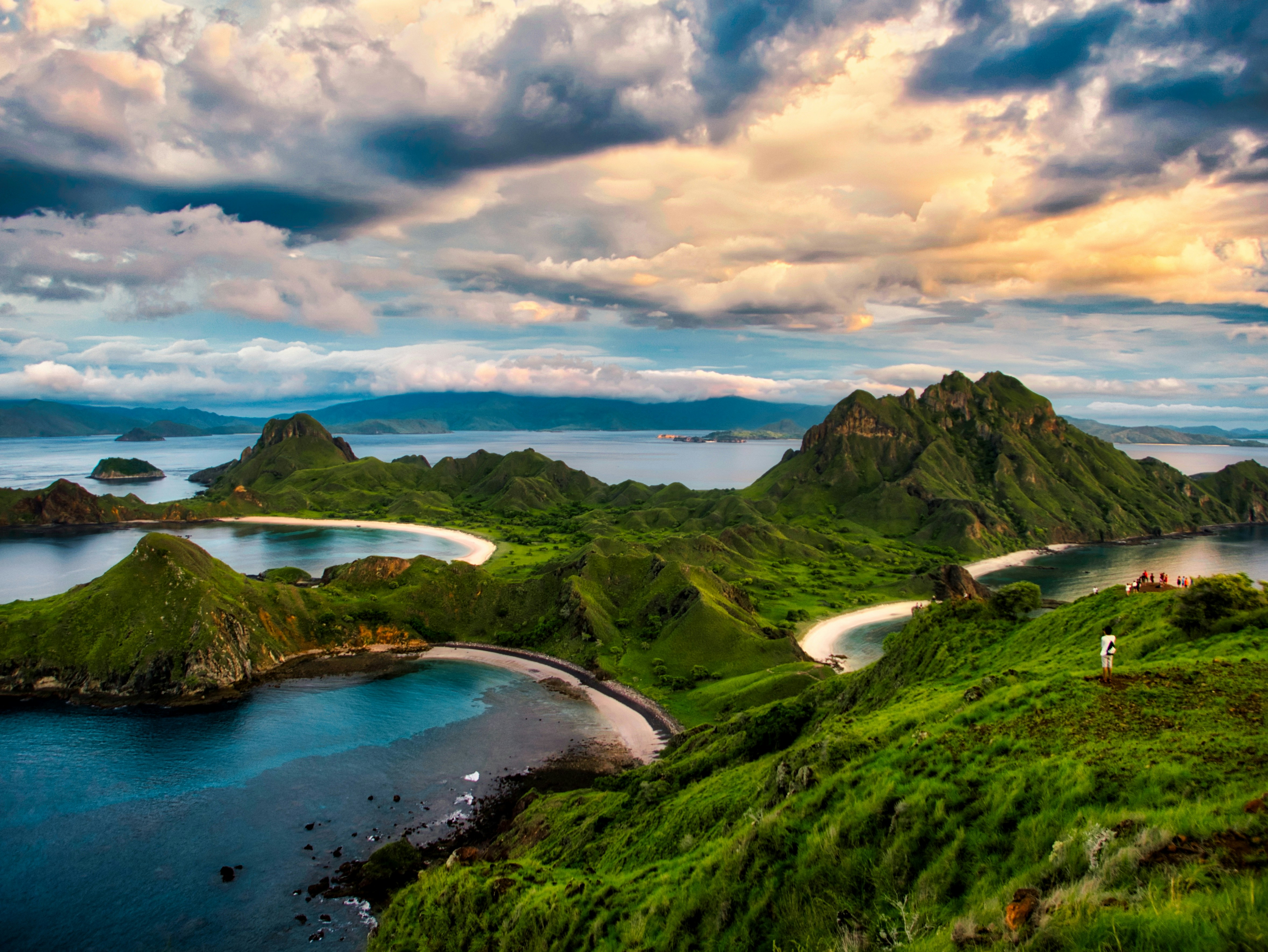
Bali's southern beaches like Uluwatu and Padang Padang feature powerful waves attracting surfers of all abilities, with numerous surf schools offering instruction from experienced guides who understand local conditions and seasonal patterns determining optimal wave quality. Seminyak Beach combines upscale beach clubs with affordable warungs (small restaurants), creating socially diverse beach experiences where international tourists, digital nomads, and local families coexist in complex recreational ecosystems. Diving in Bali rivals world-class destinations, with nearby reefs like USAT Liberty wreck featuring World War II artifacts, colorful coral gardens, and dense fish populations creating spectacular underwater landscapes. The Gili Islands, a short ferry from Bali, offer quieter beach experiences with less development, pristine waters for diving and snorkeling, and slower-paced island lifestyle appealing to travelers seeking escape from busier beach areas.
Temples and Spiritual Spaces: Connection to Sacred Bali
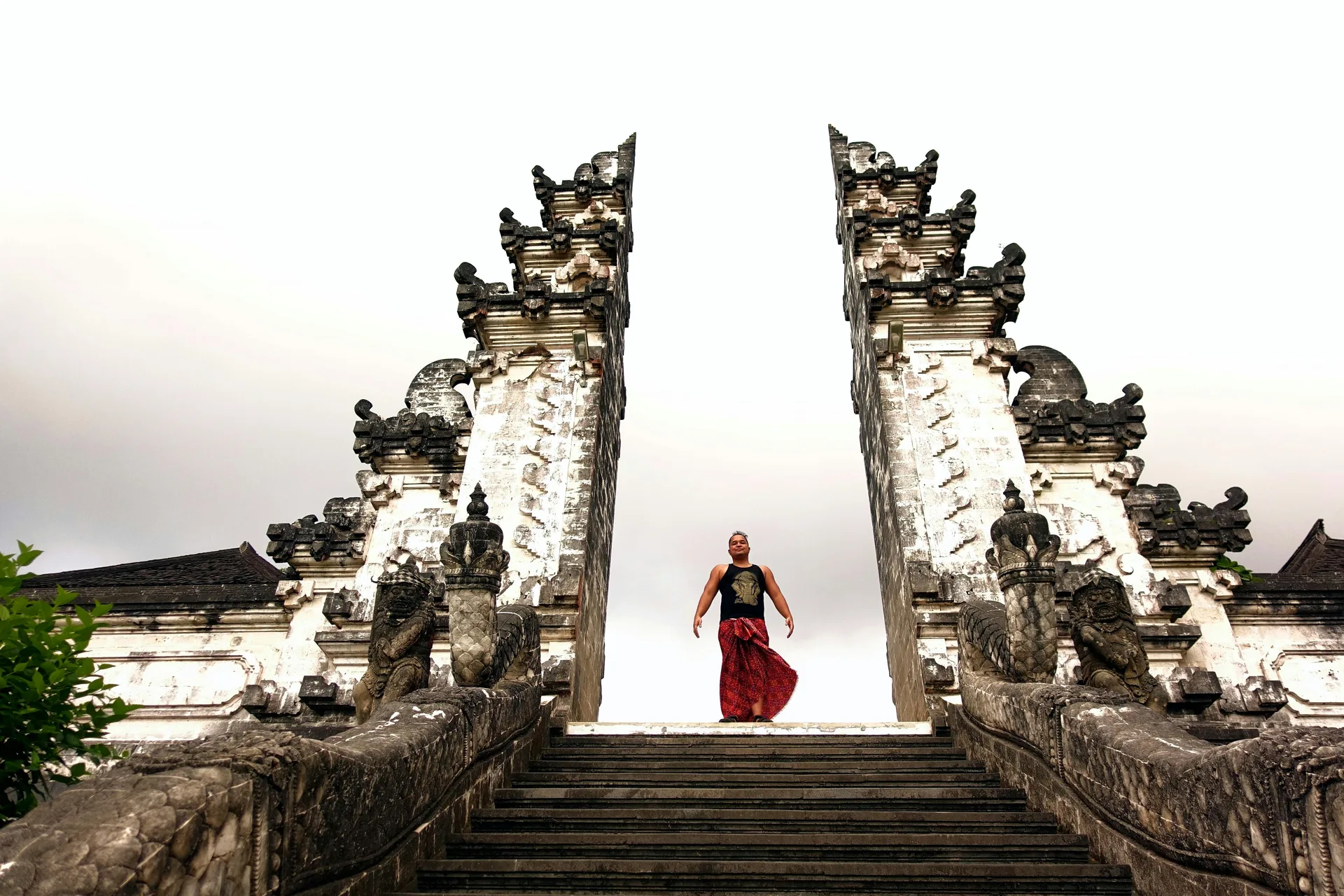
Tanah Lot temple perches dramatically on a rocky outcrop surrounded by crashing waves, creating one of Asia's most photographed temples while maintaining genuine spiritual significance where Balinese families gather for prayers and ritual ceremonies. Besakih Temple, Bali's largest and holiest temple complex, occupies the volcanic slopes of Mount Agung, with multiple sanctuaries, courtyards, and shrines creating layered spiritual architecture reflecting complex Hindu-Buddhist theological integration unique to Balinese religion. Ubud's smaller temples like Goa Gajah (Elephant Cave) feature intricate stone carvings and natural spring-fed pools, offering intimate spiritual encounters within community temples serving local residents rather than exclusive tourist attractions. Temple visits should include understanding ritual protocols—wearing sashes indicating respect, removing footwear in sanctuaries, and observing silence during prayer times demonstrates cultural sensitivity transforming visits from visual tourism into respectful participation.
Rice Terraces and Agricultural Landscapes
Tegallalang Rice Terraces near Ubud showcase dramatic layered agricultural landscapes where emerald-green rice paddies cascade down mountainsides in geometric patterns reflecting centuries of sophisticated water management engineering. Walking rice terrace paths offers immersive agricultural experiences—observing farmers working with traditional methods, understanding seasonal planting cycles, and appreciating labor intensity required for rice cultivation that feeds millions. The landscape transforms throughout seasons: brilliant green during growing periods, golden brown at harvest, and flooded silver during preparation phases—visiting during different seasons reveals dramatically different visual experiences and agricultural rhythms.
Bali Itinerary Architecture and Practical Planning
Structure itineraries geographically to minimize driving—spending 2-3 days in Ubud exploring central cultural attractions, 2-3 days on beaches exploring coastal activities, and 1-2 days exploring eastern regions near Mount Agung prevents exhausting daily commutes. Hire drivers for daily explorations rather than renting motorcycles if unfamiliar with Balinese traffic patterns; experienced drivers navigate chaotic conditions while you observe landscapes and interact with guides. Stay in locally-owned accommodations or smaller hotels rather than international chains, ensuring tourism revenue supports community businesses while creating more authentic interactions with Balinese hosts.