Escaping Tourist Density and Manufactured Experiences
Avoid heavily-marketed Instagram-famous locations like Tegallalang Rice Terraces peak hours (8:00 AM-11:00 AM) when hordes of tourists with selfie sticks create congested conditions destroying any possibility of meaningful engagement with landscape. Visit instead at sunrise (6:00 AM) or late afternoon (4:00 PM) when lighting enhances photography while crowd density remains minimal, allowing genuine contemplation of natural beauty. Skip expensive temple tours marketed to tourists and instead visit temples during community ceremonies where you observe authentic worship; locals often welcome respectful observers participating in real spiritual practice rather than staged experiences. Explore neighborhoods beyond central Ubud and Seminyak—venturing into local villages reveals authentic Balinese life continuing unchanged by tourism, with genuine restaurants serving meals for $2-4 USD rather than $15-25 tourist prices.
Navigating Pricing and Avoiding Overcharge Scams
Negotiate transportation prices before boarding any unmetered taxi or motorcycle taxi; prices roughly double when you state destination before agreeing on fare—establish price agreements upfront preventing post-ride disputes. Purchase food and drinks at warungs (local restaurants) rather than beachfront or central tourist restaurants where identical meals cost 3-5 times more while serving identical quality. Avoid unmarked travel agencies booking tours and flights; book directly with airline websites or established travel companies, as sketchy agencies frequently overcharge, double-book, or manipulate currency exchange rates. Decline "helpful" locals offering tours, massages, or shopping opportunities on streets; most are commission-based hustlers pocketing 20-50% markups on everything they arrange while you pay inflated tourist prices.
Cultural Respect and Authentic Engagement Strategies
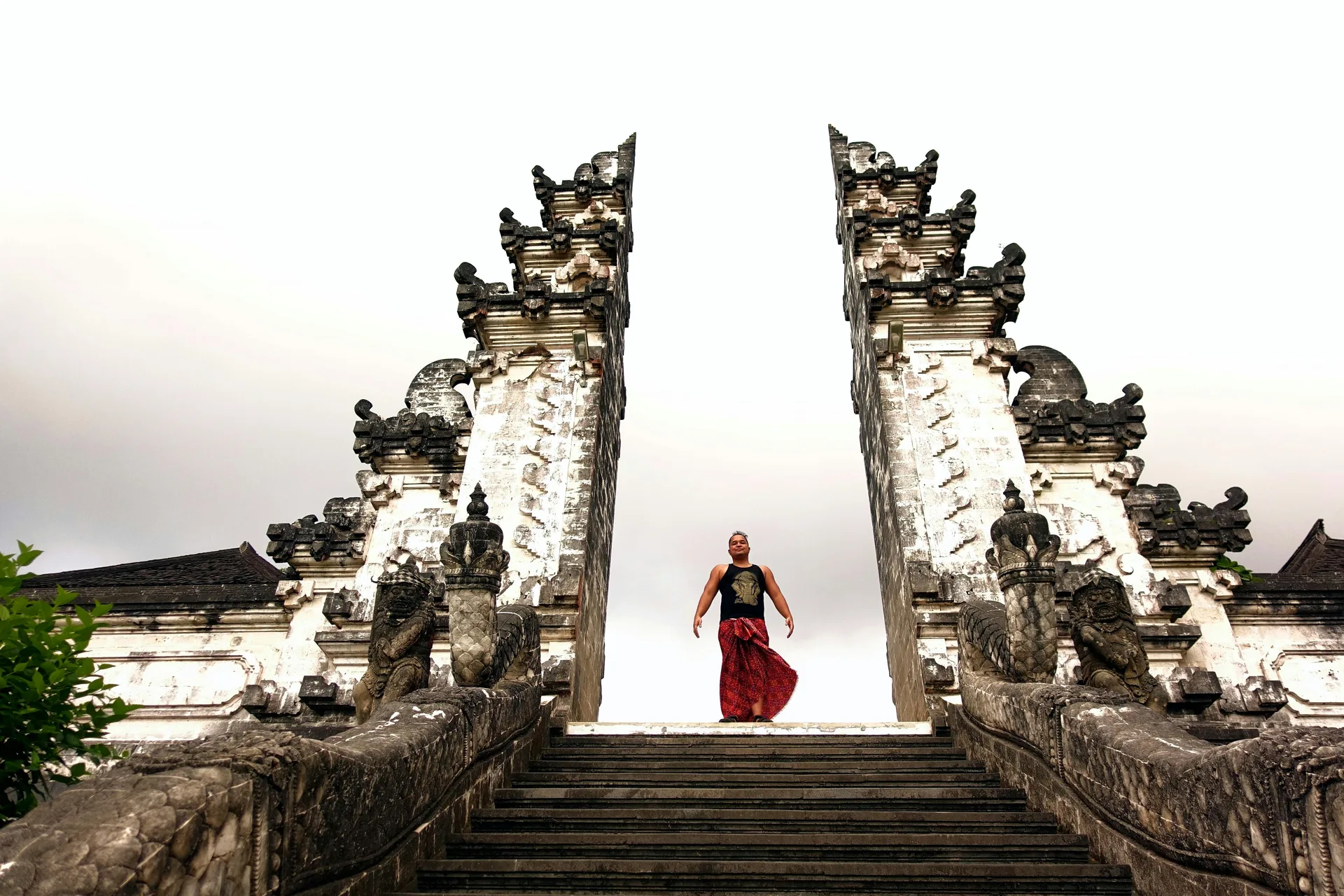
Learn basic Balinese and Indonesian greetings and phrases—attempting local language creates respect and opens unexpected opportunities for genuine connections that English-only tourists never experience. Hire guides from established tourism boards or community organizations rather than self-appointed street guides; legitimate guides provide accurate information while ensuring fair compensation. Dress respectfully when visiting temples—covering shoulders, chest, and knees, though many temples loan sashes covering exposed legs if dress violates protocols. Participate in community activities when invited—temple ceremonies, village festivals, or neighborhood events offer authentic cultural immersion impossible to purchase through commercial tours.
Sustainable Consumption and Ethical Purchasing
Support family-owned businesses and cooperatives directly rather than commercialized tourist shops; purchasing directly from artisans ensures 70-90% of money reaches creators instead of 15-30% through shop middlemen. Request information about materials and production methods when purchasing souvenirs—supporting sustainable practices encourages continuation of environmentally-responsible traditions threatened by mass production. Avoid purchasing items made from endangered species or protected wildlife; turtle shells, certain woods, and animal products may be illegal to export while supporting unsustainable hunting pressuring wildlife populations.
Health Consciousness and Authentic Wellness Practices
Research yoga studios and meditation teachers through community referrals rather than tourist listings; word-of-mouth recommendations from established residents identify legitimate practitioners versus commercial operators offering superficial spiritual performances. Visit traditional healers recommended by local friends rather than tourist-oriented wellness centers; authentic practitioners maintain standards of care developed through family lineages while tourist-oriented businesses prioritize profit over genuine healing. Maintain medical insurance coverage and research healthcare quality before arriving; Bali's healthcare varies significantly, with quality facilities available in central areas but limited in remote regions.