Hindu-Buddhist Syncretism: Unique Spiritual Framework
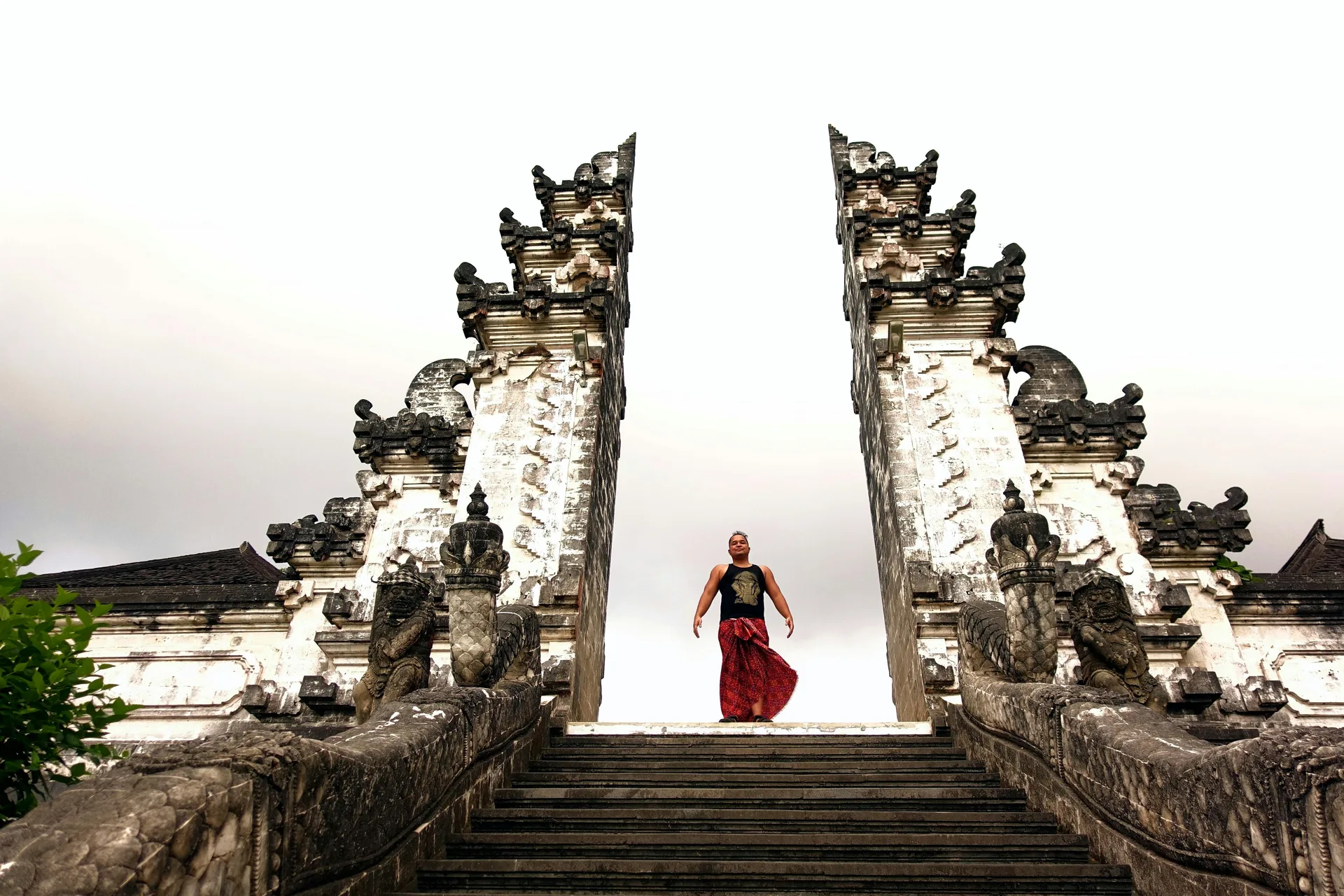
Balinese spirituality represents a remarkable synthesis of Hinduism, Buddhism, and indigenous animistic practices that coexist peacefully within unified religious framework distinct from Indian Hinduism or Southeast Asian Buddhism. This unique spiritual blend honors mountain spirits, water deities, and ancestral forces alongside Hindu gods and Buddhist teachings, creating cosmology where multiple spiritual realities coexist without conflict or hierarchy. Daily ritual practices permeate Balinese life—morning prayers at household shrines, offerings of flowers and rice placed at temple gates and street corners, and community ceremonies honoring seasonal transitions reveal spirituality integrated into ordinary activities rather than confined to church attendance. This integrated spirituality attracts seekers worldwide, drawn to cultures where sacred and secular remain interconnected rather than separated into compartmentalized domains.
Yoga, Meditation, and Contemporary Wellness Movements
Ubud became the global yoga capital, hosting numerous yoga studios, retreats, and teacher training centers where practitioners worldwide deepen practices within supportive communities of like-minded seekers. The combination of natural beauty, affordable prices, spiritual atmosphere, and established yoga infrastructure created conditions where wellness tourism exploded, transforming Ubud into sanctuary for those seeking transformation through yoga, meditation, and spiritual study. Meditation centers offer everything from brief guided sessions to intensive silent retreats lasting weeks, with professional teachers trained in various traditions providing frameworks for deepening contemplative practice. Ayurvedic spas and traditional healing centers offer treatments combining ancient wellness knowledge with contemporary massage therapy, attracting those seeking holistic health approaches integrating physical and spiritual dimensions of wellness.
Healing Practices and the Contemporary Wellness Industry
Balinese traditional healing practitioners known as "Balians" maintain ancient knowledge of herbal medicine, energy work, and spiritual healing, blending empirical botanical understanding with intuitive energy manipulation creating syncretic healing systems appreciated by both locals and international wellness seekers. The wellness industry has commercialized many traditional practices, creating superficial versions marketed to tourists seeking quick fixes, yet genuine traditional practitioners continue serving communities with serious commitment to healing arts developed over generations. The challenge for conscious travelers involves distinguishing authentic cultural practices from commercialized wellness tourism—respecting healers as knowledge holders rather than service providers transforms encounters into meaningful exchanges rather than extractive consumption.
Mindfulness and Present-Moment Awareness in Balinese Culture
Balinese philosophy emphasizes harmony (balance), patience, and acceptance of divine will—attitudes that cultivate naturally patient mindfulness fundamentally different from Western goal-oriented spirituality seeking achievement and progress. Daily rituals like temple visits, meditation practice, and community gatherings maintain steady rhythms that slow life pace and encourage present-moment awareness, creating structural support for contemplative consciousness. Interacting with Balinese communities reveals how spiritual practice functions as foundation for daily life—business decisions honor astrological timing, family conflicts resolve through spiritual consultation, and community events prioritize collective spiritual benefit over individual advancement.
Conscious Tourism and Authentic Spiritual Engagement
Approach Bali as student of spiritual practice rather than consumer of wellness experiences; this mindset shift transforms visits from product consumption into genuine learning relationships with teachers and communities. Commit to extended stays (minimum 2-3 weeks) allowing deeper immersion and relationship development beyond surface-level tourism interactions. Respect boundaries of authentic spiritual spaces by declining commercial "spirituality shows" designed for tourist entertainment, instead seeking genuine practices serving community needs with tourist participation as honored guests rather than paying audiences.