Gateway to Mughal Splendor: Agra & Beyond
While the Taj Mahal dominates Agra's skyline, this UNESCO World Heritage city holds far more than one monument. The stunning Agra Fort, a massive red sandstone fortress overlooking the Yamuna River, served as the seat of Mughal power for generations and contains within its walls an entire city of palatial chambers, audience halls, and hidden gardens. Just forty kilometres away, the perfectly preserved ghost city of Fatehpur Sikri stands as Emperor Akbar's ambitious experiment in urban planning — its Buland Darwaza gateway rising fifty-four metres as the tallest gateway in the world. The tomb of Itimad-ud-Daulah, often called the Baby Taj, predates the Taj Mahal and showcases the first extensive use of pietra dura inlay work in Mughal architecture. For those willing to venture further, the nearby town of Mathura and Vrindavan form the sacred heartland of Krishna worship, where ancient temples and vibrant evening aartis along the Yamuna offer a spiritual dimension that perfectly complements Agra's architectural grandeur. A minimum of three days in the Agra region allows travellers to appreciate not just the Taj at sunrise and sunset, but also these lesser-known treasures that collectively tell the full story of Mughal artistic achievement.
The Sacred Corridor: Varanasi, Prayagraj & Ayodhya
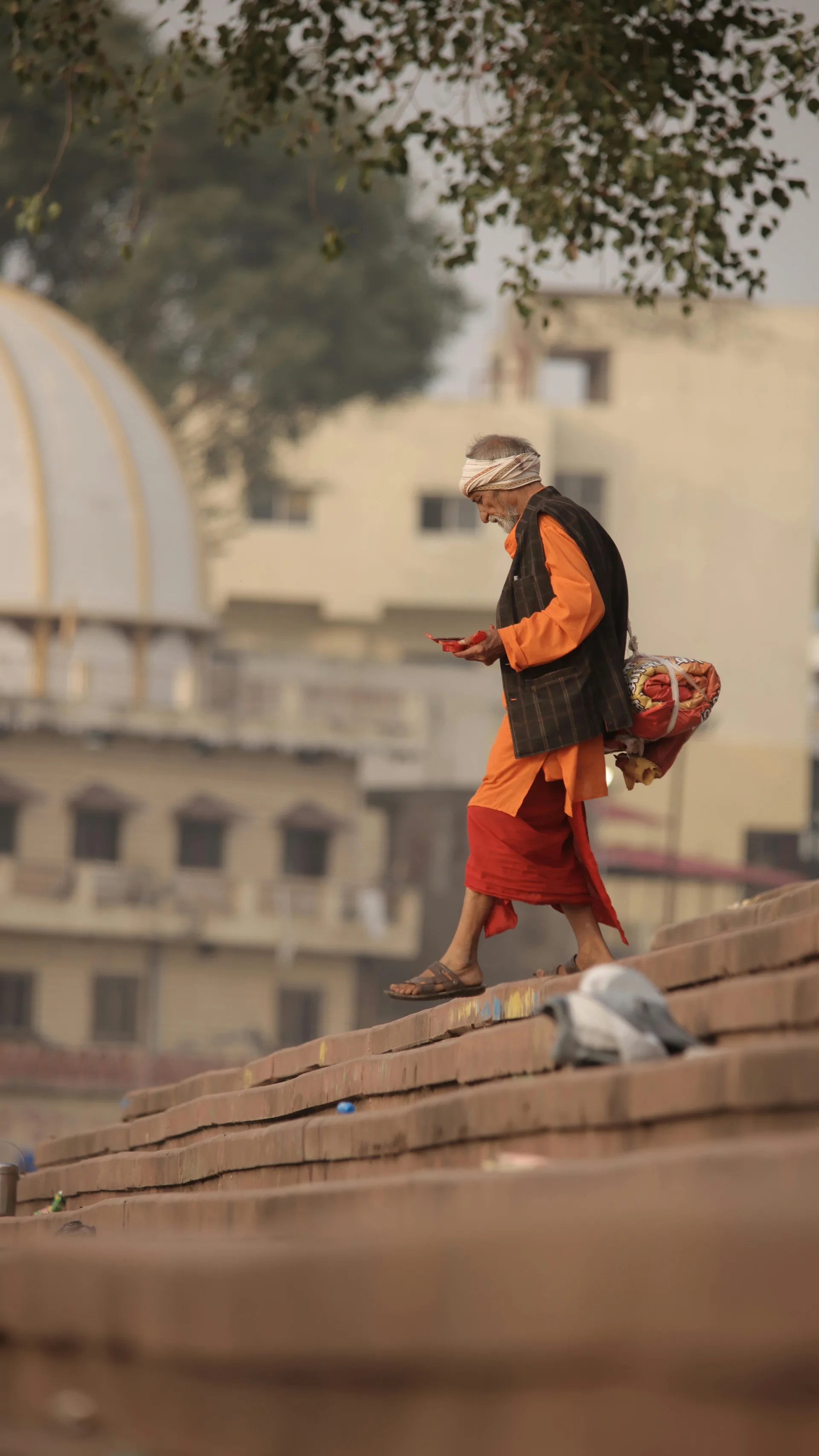
Uttar Pradesh's spiritual landscape stretches far beyond any single city, forming an interconnected corridor of faith that has drawn pilgrims for millennia. Varanasi, Hinduism's holiest city, sits on the banks of the sacred Ganges where life, death, and spirituality converge in a continuous cycle visible at the ancient ghats. The predawn boat ride past the eighty-seven ghats, watching the city awaken with temple bells and morning prayers, remains one of India's most transformative travel experiences. Prayagraj, formerly Allahabad, holds the sacred Triveni Sangam where the Ganges, Yamuna, and mythical Saraswati rivers meet — a confluence so holy that millions gather here during the Kumbh Mela, the largest human gathering on Earth. The recently revitalised Ayodhya, believed to be the birthplace of Lord Ram, has emerged as a major pilgrimage destination with the new Ram Mandir drawing visitors from across the globe. Each city along this sacred corridor offers distinct spiritual experiences: Varanasi's intense, unfiltered confrontation with mortality and devotion; Prayagraj's quiet, contemplative riverside meditation; and Ayodhya's celebratory, festival-like atmosphere of devotion and renewal.
Lucknow & the Nawabi Heritage Trail
Lucknow, the city of Nawabs, presents an entirely different facet of Uttar Pradesh — one steeped in refined courtly culture, exquisite cuisine, and architectural elegance. The Bara Imambara, built in 1784, houses one of the world's largest arched constructions without any external support, and its labyrinthine upper passages known as the Bhool Bhulaiya offer an architectural puzzle that delights visitors to this day. The British Residency ruins, preserved exactly as they stood after the 1857 siege, provide a haunting window into one of India's most pivotal historical episodes. But Lucknow's true magic lies in its living culture: the Chowk and Aminabad markets overflow with chikan embroidery artisans whose needlework has earned UNESCO Intangible Cultural Heritage recognition, while the city's legendary kebab culture — from Tunday Kababi's melt-in-your-mouth galawati kebabs to the biryani of Idris Ki Biryani — represents a culinary tradition refined over centuries. The tehzeeb (etiquette) of Lucknow remains palpable in its people's gracious manner, their poetic Urdu, and their pride in a heritage that blends Hindu and Muslim traditions into something uniquely beautiful.
Exploring Varanasi: The Spiritual Heart of India
Varanasi demands more than a fleeting visit — it requires surrender to its rhythm. Beyond the famous Dashashwamedh Ghat evening aarti, which draws thousands nightly to witness priests performing elaborate fire rituals, the city reveals itself in quieter moments. The narrow galis (lanes) behind the ghats form a labyrinth of discovery where centuries-old silk weaving workshops produce the legendary Banarasi sarees, where tiny temples dedicated to obscure deities nestle between crumbling havelis, and where the aroma of freshly prepared kachori-sabzi and jalebi wafts from street vendors who have served the same recipes for generations. The Sarnath archaeological site, just ten kilometres away, marks where Buddha delivered his first sermon after attaining enlightenment — its ancient stupas and the exquisite Ashoka Pillar capital (now India's national emblem) connect Varanasi's Hindu spiritual identity with its profound Buddhist heritage. For the culturally curious traveller, attending a morning raga performance at one of the city's music gharanas, watching silk weavers create intricate brocade patterns on wooden looms, or simply sitting at Assi Ghat as the sun rises over the Ganges offers an intimacy with Indian civilisation that few other experiences can match.
Planning Your Uttar Pradesh Heritage Journey
A well-planned Uttar Pradesh itinerary requires understanding the state's vast geography and seasonal rhythms. The October-to-March window offers the most comfortable temperatures, though each season carries its own charm — the monsoon transforms Fatehpur Sikri and Lucknow's gardens into lush green paradises, while Varanasi's Dev Deepawali festival in November illuminates the entire riverfront with millions of earthen lamps. The Lucknow-Agra-Varanasi triangle can be covered in seven to ten days by combining the Gatimaan Express (India's fastest semi-high-speed train to Agra) with domestic flights to Varanasi and comfortable overnight trains between cities. Accommodation ranges from heritage havelis converted into boutique hotels to the iconic Taj Hotel properties in Varanasi and Lucknow. Hiring local guides is highly recommended, particularly in Varanasi where navigating the ghat system and understanding the complex spiritual geography requires deep local knowledge. The state's food trail alone justifies the journey: from Agra's petha sweets and Mathura's pedas to Lucknow's layered biryanis and Varanasi's street food culture, every city offers a distinct culinary identity that has been perfected over centuries of gastronomic tradition.