Navigating Bhutan's Tourism Framework
Bhutan's policy mandates government-approved guide accompaniment and pre-arranged accommodations—independent travel remains prohibited to control tourism impact and maintain cultural preservation. Travel agencies require advance booking, typically 2-3 months before departure, allowing time for guide assignments and accommodation coordination. Daily tariffs (roughly 250-290 USD including guide, accommodation, transportation within Bhutan) seem high compared to neighboring countries but include professional guides, quality accommodations, and tourism revenue distribution to local communities. Deviations from pre-arranged itineraries incur additional fees; flexibility exists but carries costs.
Obtaining travel permits through recognized tour operators proves simpler than independent navigation—operators handle government correspondence, guide arrangements, and logistical coordination. Indian nationals require passports with validity exceeding 6 months and obtain visas through tour operators during booking. No separate visa applications exist; tourism authorization includes visa clearance. Payment proceeds to Bhutan's Tourism Council supporting conservation and cultural preservation.
While the mandatory guide system limits independence familiar to backpackers accustomed to solo travel, the requirement provides benefits—guides protect cultural sites through respectful visitation enforcement, share deep local knowledge transcending guidebook information, and ensure equitable tourism distribution. Many travelers report guides becoming friends, sharing personal stories and cultural insights deepening experiences immeasurably.
Selecting Quality Tour Operators
Reputable operators (many registered with Bhutan Tourism Council) demonstrate different approaches—some emphasize luxury experiences, others budget-conscious options, still others adventure-focused itineraries. Reading online reviews, contacting operators directly, and seeking recommendations from previous travelers helps identify reliable partners. Operators managing small groups (4-6 people) provide better experiences than large groups diminishing personalization.
Discussing specific interests with operators—trekking preferences, spiritual site emphasis, cultural encounters, photography focus—allows customized itineraries within policy constraints. Good operators accommodate reasonable requests while respecting Bhutan's preservation parameters. Communication clarity prevents disappointments when expectations and reality diverge.
Confirming guide credentials, accommodation standards, meal quality, and included activities prevents unpleasant surprises. Asking about porter arrangements for trekking, transportation comfort levels, and contingency plans for weather disruptions demonstrates professionalism. Budget travelers finding 250 USD daily cost prohibitive should know that group bookings sometimes offer reductions.
Best Times & Weather Considerations
Clear skies, comfortable temperatures, and blooming flowers make March-May and September-October ideal trekking seasons. December-February brings cold but crystal-clear visibility for photography and mountain views; monsoon season (June-August) brings lush landscapes but daily afternoon rain. Altitude ranges 1,200-4,000 meters depending on trekking; physical fitness requirements depend on chosen routes. Consulting operators about weather patterns and personal fitness ensures appropriate itinerary selection.
Photography Etiquette & Cultural Respect
Photography in temples, monasteries, and during religious ceremonies requires explicit permission—monks may decline photography to maintain sacred atmosphere. Never photograph individuals without consent; approaching, explaining your interest, and accepting refusals reflects respect. Taking photos of prayer flags, religious structures, and landscapes proves generally acceptable, but confirm with guides. Avoid photographing sensitive military installations or government buildings.
Understanding that some sacred spaces remain perpetually off-limits to visitors shows respect for cultural and spiritual boundaries. Accepting these limitations gracefully, rather than viewing them as tourist inconveniences, reflects spiritual understanding that not all places exist for outsider observation. This respectful approach to cultural tourism helps preserve Bhutan's integrity as destination.
Practical Language & Communication
Guides speak English fluently (government requirement), eliminating language barriers. Learning basic Dzongkha phrases ("kuzuzangpo" for hello, "tashi delek" for goodbye/hello/thank you, "min-lu" for please) demonstrates cultural respect. Guides assist with translations when needed; communication rarely becomes challenging despite limited English spoken outside tourist infrastructure.
Menus in tourist restaurants feature English descriptions; many Bhutanese dishes require explanation for unfamiliar visitors. Asking guides for recommendations and attempting all offered foods (when dietary preferences permit) reflects openness and appreciation. Most restaurants accommodate dietary restrictions with advance notice.
Dress Code & Respectful Appearance
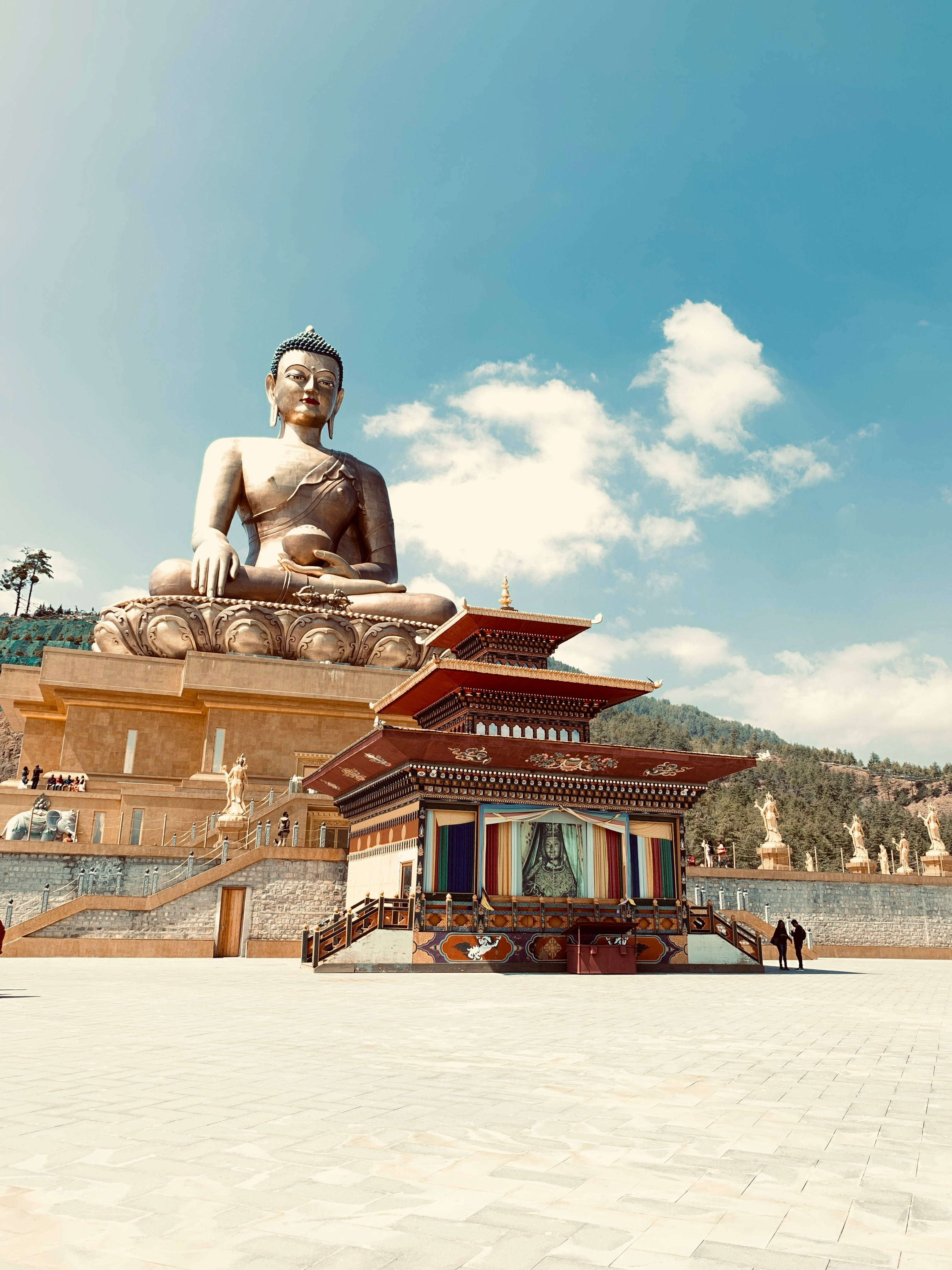
Bhutan's cultural dress code (gho for men, kira for women) remains daily wear rather than ceremonial occasions. While visitors needn't wear traditional dress, dressing modestly (covering shoulders and knees) shows respect. Entering temples requires removing shoes and sometimes hats; many temples have barefoot requirements. Meditation centers request conservative dress; yoga pants and tank tops may not be welcomed in spiritual contexts.
Temples and monasteries prohibit smoking, alcohol consumption, and loud behavior within grounds. Respectful silence or whispered conversations suit sacred spaces. Observing local norms regarding dress and behavior demonstrates that tourism need not violate cultural integrity if visitors commit to respectful participation.
Budget Planning & Financial Considerations
Beyond daily tariffs, expenses include international flights to Bhutan (most connect through Bangkok, Delhi, or Dhaka), travel insurance, and personal items (souvenir shopping, tips for guides/porters). Flights from India typically cost 15,000-30,000 INR round-trip depending on booking timing. Travel insurance covering medical evacuation and trip cancellation proves wise. Total 5-day Bhutan trips typically cost 50,000-75,000 INR including flights and all in-country expenses for Indian travelers.
Tipping guides and support staff (10-15% of daily fees for excellent service) represents customary practice. Bringing gifts from India (tea, handicrafts, books) delights guides and fosters personal connections. ATMs in major towns dispense Bhutanese Ngultrum (approximately 60 INR per 1 Ngultrum); exchanging some Indian rupees on arrival provides local currency for small purchases and tips.
Health, Altitude & Medical Considerations
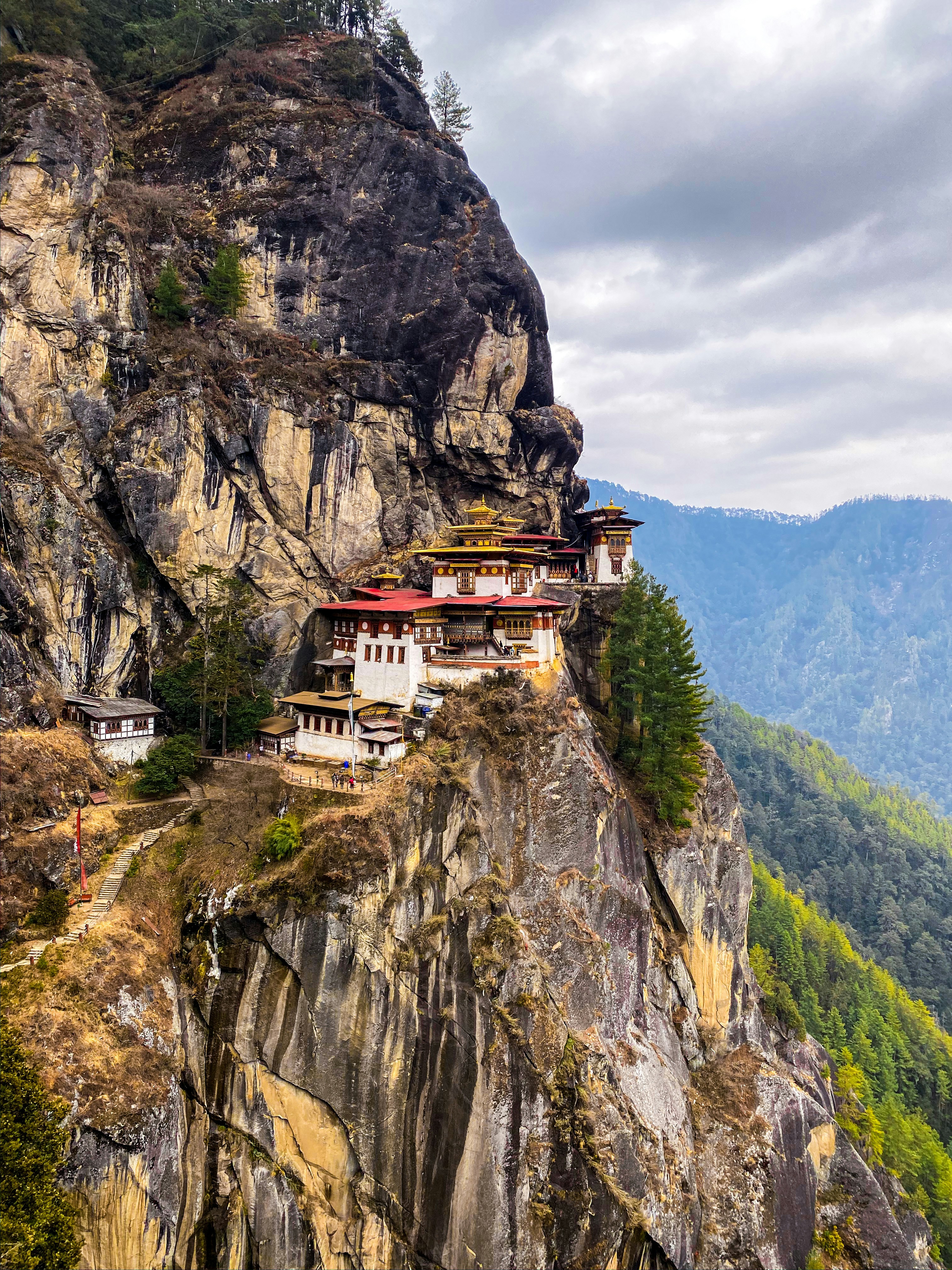
Bhutan's altitudes (up to 4,000 meters for trekking) require acclimatization comparable to Nepal treks. Starting lower-altitude sites (Paro 2,200m, Punakha 1,200m) before ascending to high-altitude treks allows proper adjustment. Carrying prescription medications with prescriptions prevents customs complications. Travel insurance covering medical evacuation from remote regions proves essential.
Authentic Experiences Beyond Standard Itineraries
Requesting homestays, village visits, meditation center participation, or archery lessons (Bhutan's national sport) allows authentic interactions. Attending local festivals (Bhutan celebrates numerous religious occasions), participating in cooking classes, or learning traditional arts enriches experiences beyond monument visits. Guides facilitate these requests; advance operator communication ensures arrangements.