Thimphu: The World's Highest Capital
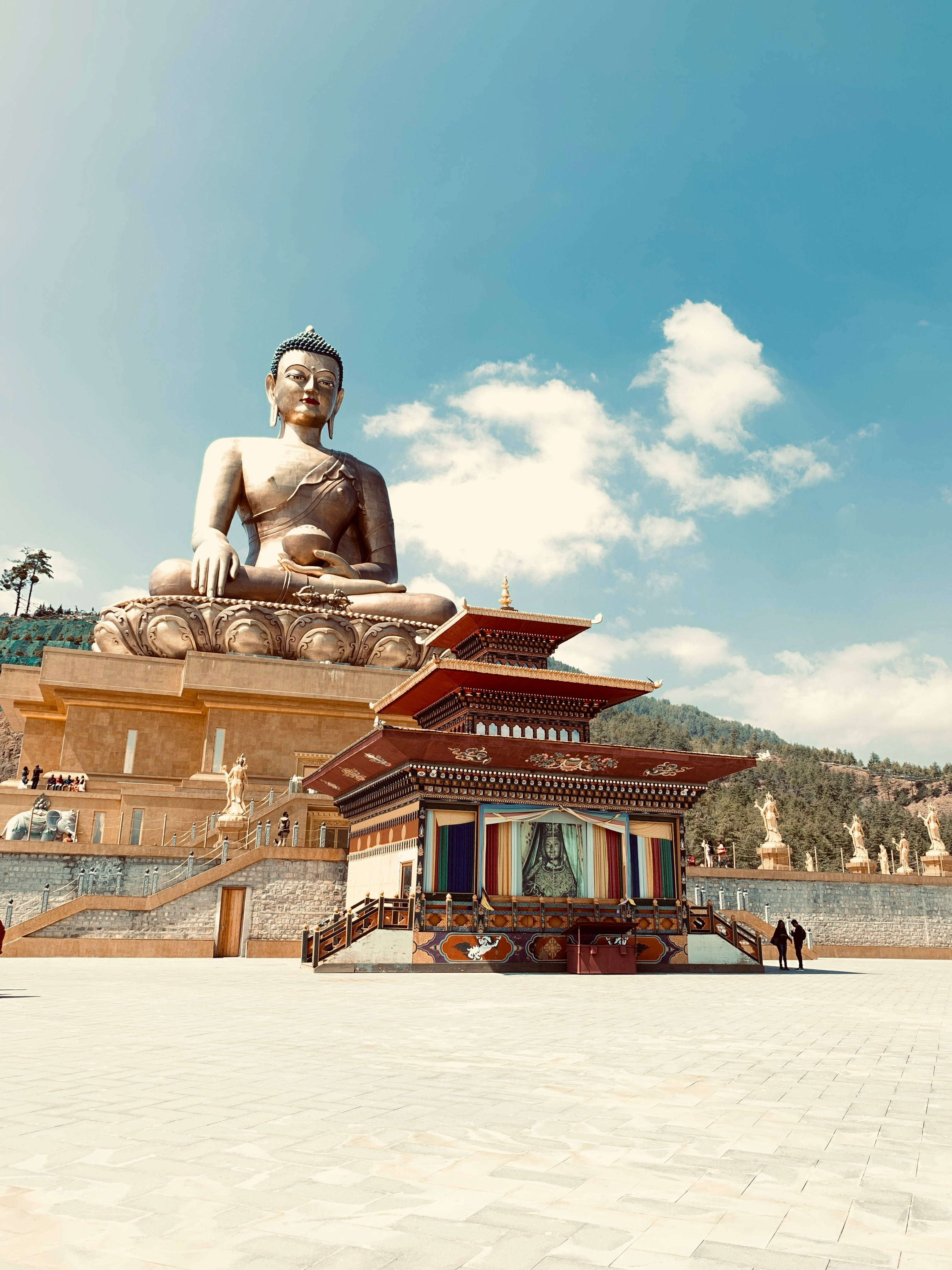
Thimphu, the world's highest capital city at 2,320 meters elevation, represents Bhutan's unique approach to development—modern infrastructure coexists with strict cultural preservation, where McDonald's, internet cafes, and smartphones share streets with traditional architecture, monks in crimson robes, and horse-drawn carts. The city's central location makes it an ideal trekking hub, with day hikes to sacred sites and meditation centers accessible from urban base. Bhutan Museum and Folk Heritage Museum preserve cultural traditions through exhibitions demonstrating historical continuity and contemporary Buddhist practice.
Thimphu's architecture follows strict building codes requiring traditional Bhutanese design elements—sloped roofs, ornate painted details, and interior shrine spaces. Walking through the city reveals Bhutan's commitment to cultural preservation despite modernization pressures. The weekend vegetable market, Changangkha Lhakhang temple, and peaceful Motithang Takin Preserve (protecting endangered national animal) provide cultural immersion and nature appreciation within urban setting.
Unlike other Asian capitals, Thimphu maintains peaceful, orderly atmosphere reflecting Bhutanese cultural values emphasizing harmony and mindfulness. The emphasis on Gross National Happiness (GNH) rather than GDP shapes policy decisions—limiting tourism, preserving forests, maintaining cultural integrity, and ensuring environmental sustainability take priority over economic growth maximization.
Paro: Gateway Valley & Tiger's Nest
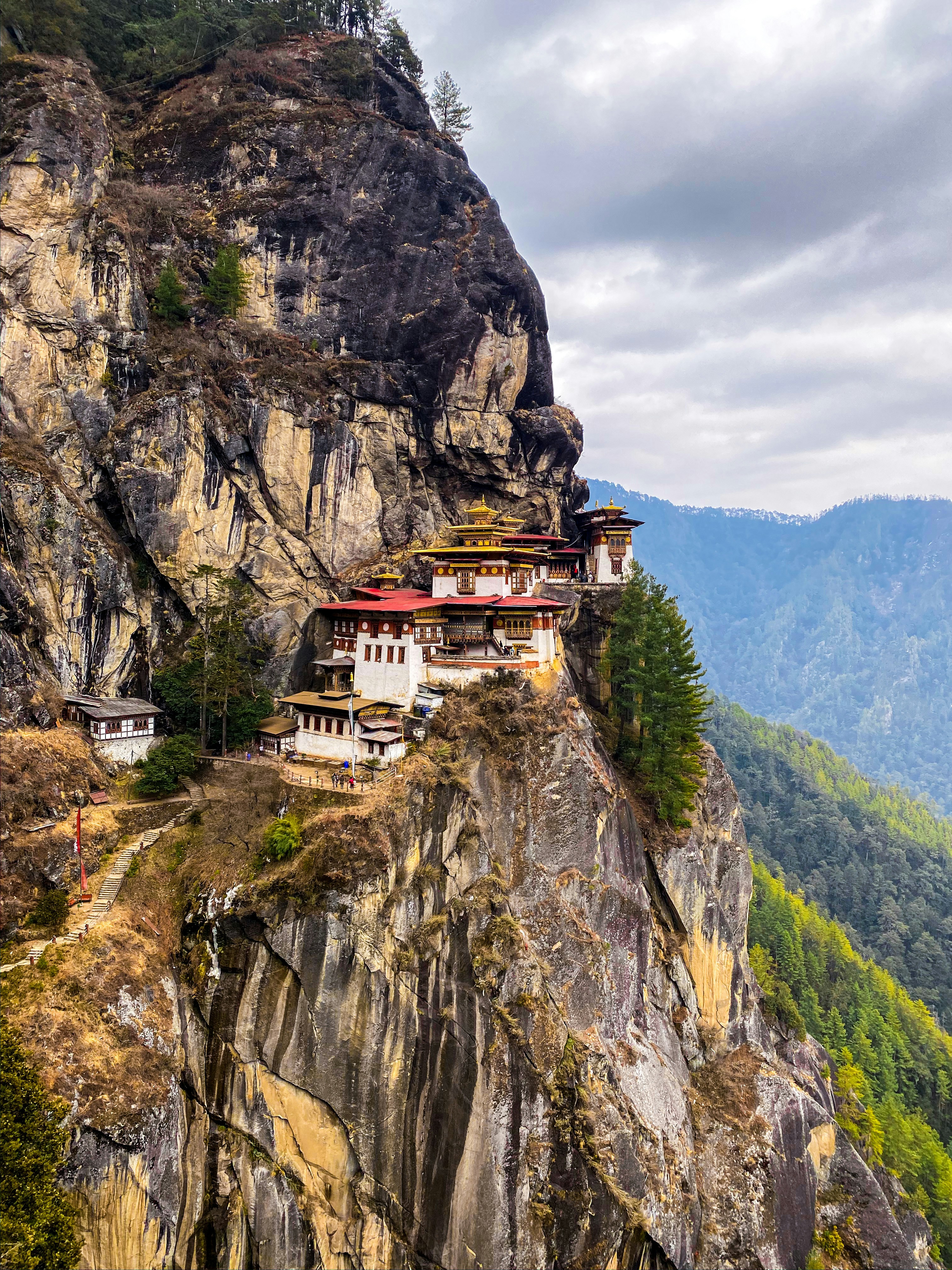
Paro International Airport, accessible only by specialized pilots navigating mountain passes, represents Bhutan's intentional isolation preservation—flights available only during daylight hours and clear weather require patience and advance booking. The valley's cultural significance, agricultural heritage, and spiritual sites make it essential for Bhutanese itineraries. The iconic Tiger's Nest Monastery (Paro Taktsang), clinging dramatically to 900-meter cliff face above Paro valley, represents Bhutan's spiritual heart—the three-hour uphill hike (2,600 meters starting elevation) through forests and prayer walls culminates in sacred monastery accessible only to shoes-removed pilgrims.
The monastery's founding legend involves Guru Rinpoche (Padmasambhava) flying to the cliff on tigress back in the 8th century, establishing Buddhist presence in Himalayan highlands. The sacred narrative, whether historically literal or spiritually essential, infuses the monastery and surrounding landscape with profound meaning. Visiting during early morning hours (6-7 AM) provides spiritual atmosphere, peaceful encounters with monks, and photographic opportunities before tour groups arrive.
Paro's Rinpung Dzong (fortress-monastery), perched above the Paro Chhu river, showcases traditional architecture housing government, religious institutions, and cultural institutions. The dzong's design reflects Buddhist principles—intricate layouts, hidden rooms, and layered meanings create spaces rewarding extended exploration. Nearby villages preserve agricultural traditions—watching farmers harvest rice or tend fields connects visitors to land-based livelihoods dominating Bhutanese rural life.
Punakha: Bhutan's Ancient Capital
Punakha, Bhutan's first capital (1616-1770), centers on the remarkable Punakha Dzong—fortress-monastery commanding the confluence of Male and Female Chhu rivers. The dzong's perfect reflection in still water creates photographic magic rivaling any-world architectural wonder. The structure, requiring meticulous maintenance and traditional craftsmanship, represents Bhutan's commitment to heritage preservation. Walking through the dzong's courtyards, observing monks chanting, and exploring administrative chambers reveals how Bhutan's government and religious institutions integrate physically and philosophically.
The dramatic valley drive from Paro to Punakha (2 hours) descends from mountains into warmer valleys where terraced fields, traditional villages, and tropical vegetation replace alpine landscape. The journey represents Bhutan's geographical and cultural diversity within compact nation. Staying 2-3 days in Punakha permits exploration of nearby temples, village trekking, and spiritual practices including archery competitions (Bhutan's national sport) where locals gather for recreational and social purposes.
The famous Chimi Lhakhang temple, located in nearby Lobesa, represents Bhutanese fertility and humorous acceptance of sexuality—the temple's explicit phallus representations both outside and in interior murals reflect Bhutanese willingness to embrace human physicality without prudishness. Visiting permits conversation about cultural attitudes toward sexuality, fertility, and embodiment different from conservative neighboring regions.
Sacred Trekking: Druk Path Trek & Beyond
Bhutan's trekking routes traverse pristine forests, high-altitude passes, and sacred valleys untouched by commercial tourism developments. The Druk Path Trek spans 6 days connecting Paro and Thimphu across 4,090-meter Bhale La Pass, passing through juniper forests, prayer flags, and isolated monasteries. The trek presents moderate difficulty (shorter daily distances, reasonable altitude) making it accessible to trekkers lacking extreme mountaineering experience, while maintaining spiritual immersion unavailable in tourist-crowded regions.
Bumsthang Valley treks explore Bhutan's spiritual heartland, where multiple temples and monasteries mark sacred sites. The Phobjikha Valley trek protects black-necked cranes (winter migration) while traversing Bhutan's most pristine landscapes. Hiring local guides ensures authentic experiences, direct community benefit, and safety during mountain terrain navigation. Trekking accommodates small group sizes limiting environmental impact—Bhutan's tourism policy intentionally restricts visitor numbers maintaining environmental and cultural preservation.
Gross National Happiness: Philosophy in Practice
Bhutan's national development goal measures progress through Gross National Happiness (GNH) rather than GDP—emphasizing psychological wellbeing, cultural preservation, environmental conservation, and good governance over economic growth maximization. This philosophical approach, rooted in Buddhist principles, shapes visible reality—limited tourism (permits required, independent travel prohibited), preserved forests (60% forest coverage mandated), protected biodiversity, and wage focus on equitable income distribution rather than wealth concentration.
Cultural Boundaries & Respectful Tourism
Independent travel remains prohibited; visitors require government-authorized guides and pre-arranged accommodations ensuring tourism revenue benefits local communities rather than foreign corporations. This policy, while limiting freedom, preserves cultural integrity and environmental protection—tourism generates income without overwhelming communities or degrading landscape. Respecting cultural boundaries, seeking permission for photography in sacred spaces, and recognizing that some areas remain off-limits to visitors reflects Bhutanese values of cultural preservation.