The Happiness Philosophy: Buddhist Economics in Action
While contemporary economies measure development through GDP growth, employment rates, and consumption metrics, Bhutan measures national progress through Gross National Happiness—psychological wellbeing, life satisfaction, cultural vitality, environmental health, and good governance. This revolutionary approach, adopted in 1972, reflects Buddhist economic philosophy that material accumulation beyond sufficiency creates suffering rather than satisfaction. The concept attracts global attention as developed nations grapple with depression, anxiety, and alienation accompanying unbridled consumption and competitive lifestyles.
Bhutanese communities reflect GNH principles—strong family bonds, limited competitive pressure, respect for elders, community-focused decision-making, and spiritual practice integration. Observing how societies can function with reduced consumption, minimal inequality, and prioritized human relationships challenges Indian travelers' assumptions about development and progress. Many return from Bhutan questioning economic priorities and considering lifestyle modifications reducing consumption while increasing presence and relationship quality.
The government implements GNH through policy decisions—limiting tourism volume to protect culture and environment, mandating forest preservation to maintain ecological health, ensuring minimum wage standards preventing extreme poverty, and protecting cultural heritage through strict building codes and educational emphasis on traditional arts. These decisions, economically suboptimal by conventional measures, create societies where people report higher life satisfaction than wealthier neighbors.
Environmental Preservation: Carbon-Negative Nation
Bhutan represents world's only carbon-negative nation, absorbing more carbon than it produces through extensive forests covering 60% of territory. Government policy mandates forest preservation, restricting deforestation and prioritizing reforestation efforts. This environmental focus, often sacrificing short-term economic gains, reflects Buddhist principles of ecological responsibility and intergenerational thinking—decision-makers prioritize grandson's world over current-year profits. The commitment extends to limiting plastic pollution (plastic bags banned, single-use plastics restricted), supporting renewable energy, and preventing industrial development threatening environmental stability.
Walking through Bhutan's pristine forests, encountering wildlife unpursued by hunters, and breathing unpolluted air provides sensory contrast to environments most Indians inhabit. The experience cultivates appreciation for clean water, clear skies, and living ecosystems increasingly rare in overcrowded regions. Many visitors report that Bhutan's environmental focus inspired lifestyle changes—reducing plastic consumption, supporting environmental conservation, and reconsidering growth-at-all-costs mentality.
Buddhist environmental ethics, rooted in understanding interconnectedness and respect for all sentient beings, manifest practically in Bhutanese society. The deliberate rejection of industrial development despite economic opportunities reflects spiritual commitment transcending materialistic pressures. Visitors witness alternative development models proving that prosperity and happiness don't require environmental destruction or resource exploitation.
Cultural Preservation Through Determined Intention
Bhutan's cultural identity remains remarkably intact despite globalization—traditional dress (gho for men, kira for women) remains daily wear rather than ceremonial clothing; traditional arts (weaving, painting, woodcarving) remain economically viable professions; and Buddhist practice pervades daily life through prayer, temple participation, and meditation integration. Government policy, while restrictive by Western freedom standards, preserves cultural heritage through language promotion (Dzongkha instruction mandatory), festival celebration (public holidays honoring all religious occasions), and architectural preservation (all buildings follow traditional design rules).
Young Bhutanese navigate between traditional expectations and global influences—smartphones connect them to worldwide information while family expectations maintain cultural values. This balance point, common across Asian societies, takes particular form in Bhutan where government policy supports cultural preservation rather than market forces promoting homogenization. The result: contemporary Bhutanese identity remains distinctly Bhutanese despite internet access and global connections.
Learning traditional arts (weaving, painting, calligraphy) remains culturally valued and economically supported—artisans maintain livelihoods practicing centuries-old techniques. Temple arts continue supporting religious practice and cultural education. This preservation, increasingly rare globally, demonstrates that cultural heritage can survive modernity if intentionally protected through policy, education, and community values.
Spiritual Depth: Buddhist Practice as Living Tradition
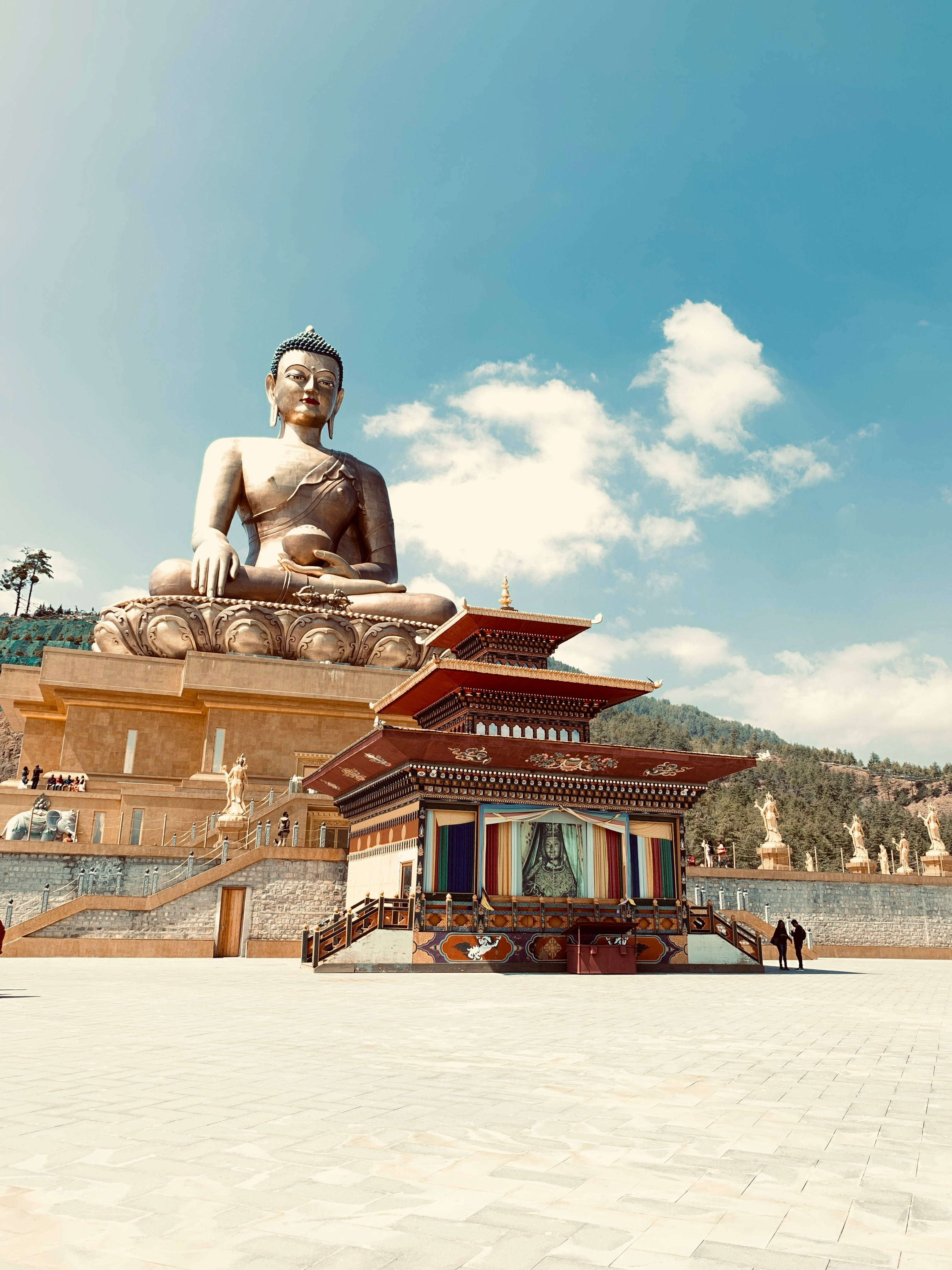
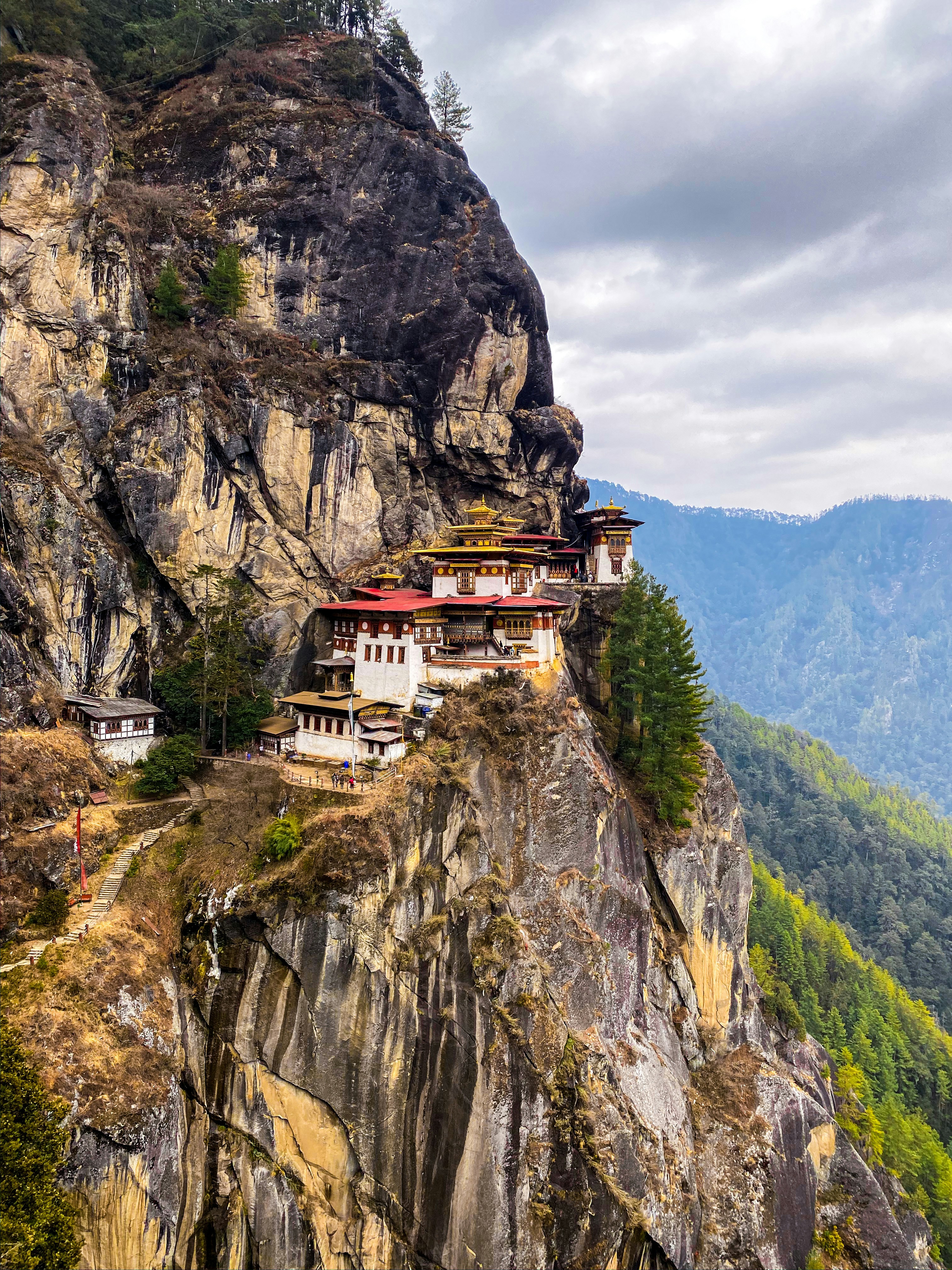
Buddhism permeates Bhutanese life—monasteries dot mountain slopes, monks conduct daily ceremonies, prayer flags mark sacred sites, and individuals maintain personal spiritual practices. The religion isn't museum artifact but active force shaping values, ethics, and daily decisions. Visiting monasteries during prayer ceremonies allows witnessing continuous traditions where today's monks chant texts identical to those chanted a thousand years ago, maintaining unbroken spiritual lineages.
The concept of dharma (righteous living) motivates ethical behavior without legal enforcement—people understand that consequences (karmic repercussions) follow actions, motivating moral choices through wisdom rather than fear. This internalization of ethics, uncommon in societies relying on extensive laws and punishments, reflects Buddhist understanding of human nature and responsibility.
Meditation practice, far from countercultural fringe activity, remains central to Bhutanese spirituality—individuals and families participate in retreats, monasteries maintain intensive practice communities, and spiritual development receives cultural priority. The result: contemplative traditions continue adapting to contemporary contexts rather than disappearing as modern pressures increase.
Lessons for Modern India: Balance & Tradition
Bhutan's example proves that nations can preserve cultural heritage while achieving modernity, maintain environmental health while achieving economic viability, and prioritize human wellbeing over consumption growth. For Indian travelers, Bhutan offers mirror reflection of their own cultural values—Buddhist and Hindu philosophies emphasizing balance, dharma, and spiritual development remain viable guides to meaningful living despite modernization pressures.
The Time Paradox: Slowing Down in Fast World
One of Bhutan's most remarkable features is the palpable sense that time moves differently—schedules are flexible, conversations extend without rush, and immediate productivity isn't the constant measuring stick. Many travelers report that Bhutan visits inspired them to slow down post-visit, scheduling fewer activities, allowing spontaneous experiences, and prioritizing quality interactions over achievement accumulation. The recognition that happiness doesn't increase proportionally with activity completion transforms life perspectives fundamentally.