Understanding Kerala's Backwater System: Geography, Ecology & Cultural Importance
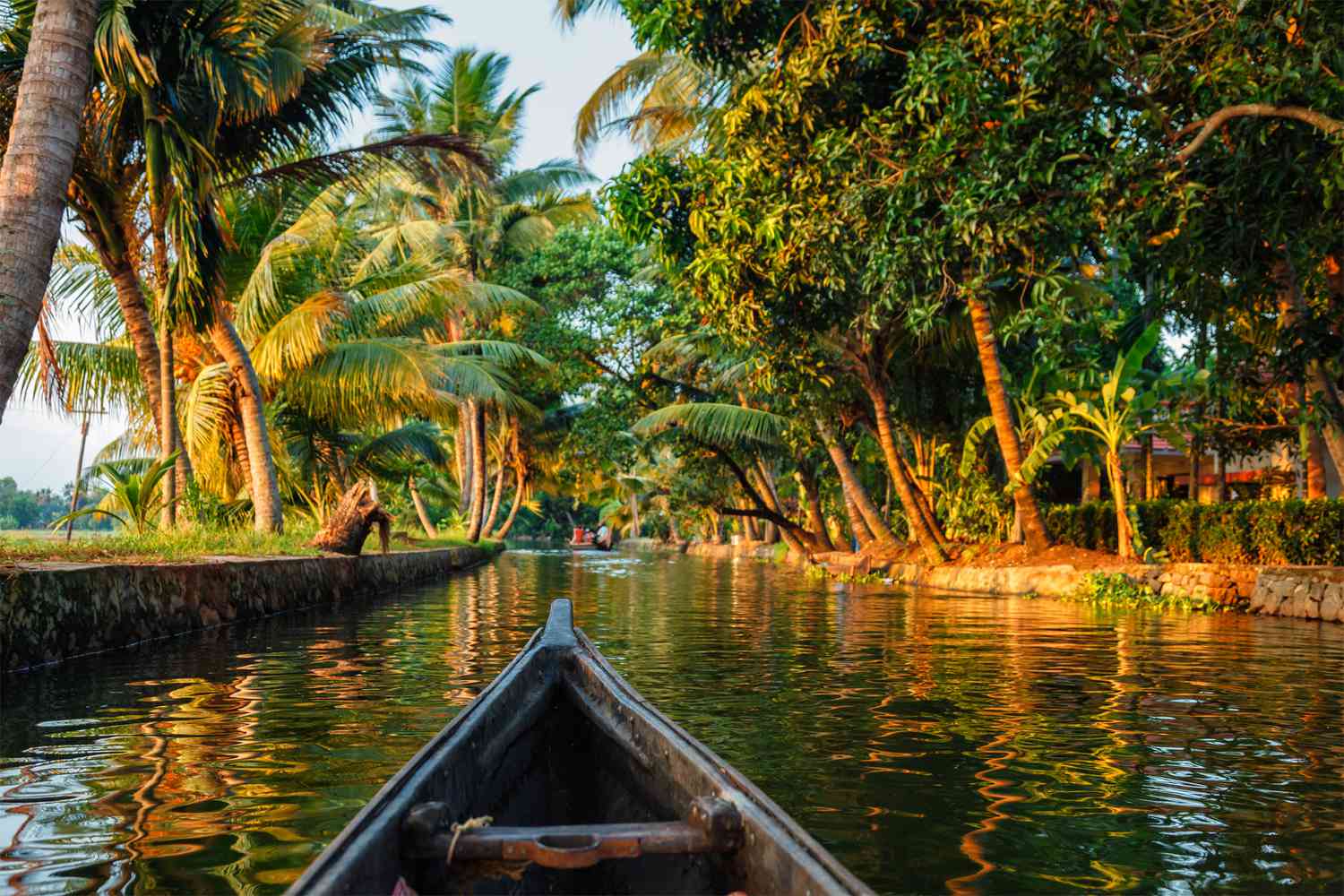
Kerala's backwaters comprise interconnected systems of lakes, lagoons, and canals stretching 1,900 kilometers along the Arabian Sea coast, representing the world's largest integrated tropical ecosystem where freshwater and saltwater systems coexist in delicate balance supporting extraordinary biodiversity and sustaining millions of inhabitants through fishing, agriculture, and tourism. These waterways formed through geological processes creating a land below sea level protected by natural barriers (lagoons, sand banks) that create internal seas accessible to traditional boats but separated from open ocean, generating unique microclimates supporting species found nowhere else globally. The ecosystem's complexity supports fish populations that feed millions, coconut plantations providing livelihood for numerous families, and water pathways that constitute the region's primary transportation network predating modern roads, making backwaters central to Kerala's identity and economic foundation. Understanding this ecological complexity transforms backwater experiences from leisure activities into participatory learning about environmental systems, human adaptation to water-dominated landscapes, and sustainable coexistence models that developed over millennia.
Houseboat Experiences: Luxury, Authenticity & Conscious Travel Choices
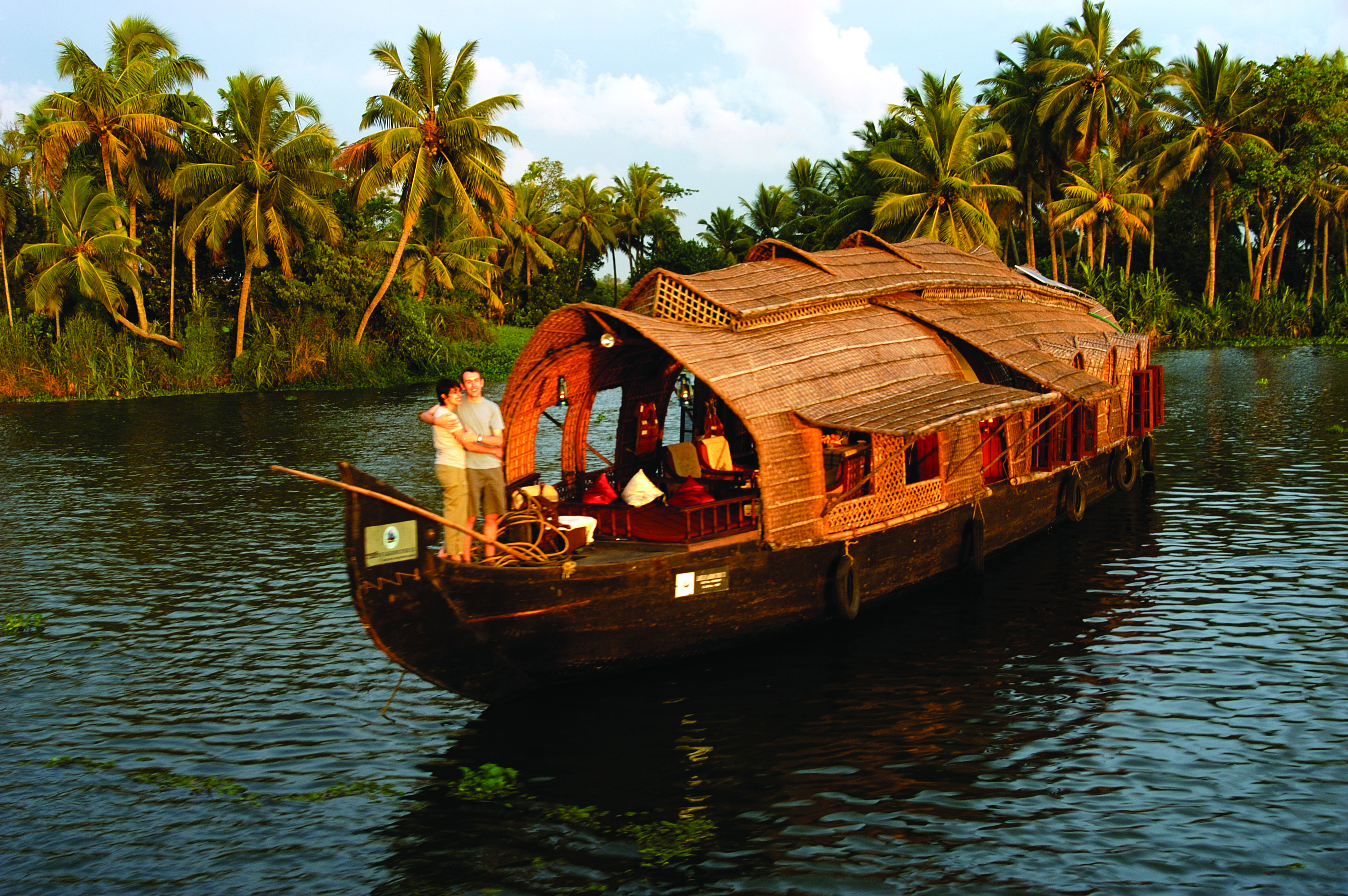
Luxury houseboats (15,000-25,000 rupees daily) offer comfort and modern amenities but represent commercialized tourism potentially distancing you from authentic backwater experiences through air-conditioned isolation and packaged itineraries optimized for comfort rather than cultural immersion. Budget houseboats (4,000-8,000 rupees) provide adequate comfort while maintaining closer proximity to community life, crew interactions, and genuine cultural exchange, with smaller operations often family-run and more flexible regarding itinerary adjustments accommodating spontaneous discoveries. Traditional kettuvallam houseboats (now increasingly motorized) replicate historical rice-barge designs, offering architectural authenticity though requiring careful vetting to ensure operators maintain sustainable practices and fair labor standards for crew members. Consider alternatives to standard houseboats—staying in waterside guesthouses, hiring small fishing boats with local operators, or kayaking through canals—that distribute tourism revenue beyond corporate houseboat companies toward individual families and communities depending on alternative income sources.
Village Exploration: Fishing Communities, Agricultural Heritage & Local Life
Wake before dawn to accompany fishing communities casting nets using techniques refined across generations, creating dramatic silhouettes against rising sun while revealing the physically demanding labor sustaining fishing communities economically and culturally. Participate in rice-paddy agriculture by visiting paddies during planting or harvesting seasons, understanding the labor-intensive processes, complex cropping patterns, and water management systems enabling Kerala's agricultural sufficiency, observing women's central role in agricultural production often invisible in tourism photography. Visit spice and coconut processing operations where dried spices are ground, coconut oil extracted, and products prepared for market, understanding value-addition chains transforming raw materials into finished goods and revealing economic dynamics underlying village livelihoods. Engage with school children, shop owners, and community leaders in unscripted conversations, learning contemporary concerns—environmental degradation, youth migration, climate change impacts—that reveal Kerala's tensions between modernization and tradition.
Food & Culinary Heritage: From Fishing Boats to Coastal Tables
Kerala's culinary tradition represents the most distinctive regional cuisine in India, developed through centuries of trade exposure (Arab, Chinese, Portuguese influences), abundant seafood, coconut crops, and spice production creating flavor profiles impossible to replicate elsewhere. Fresh fish curry prepared daily by boat crew demonstrates preparation techniques—roasting spices, tempering coconut milk, timing fish cooking perfectly—that commercial recipes oversimplify, with shared meals aboard boats creating intimate contexts for culinary understanding impossible through formal cooking classes. Visit fish markets in kochi and Alleppey to witness daily catch variety, seasonal availability patterns, and economic pressures from industrial fishing affecting artisanal fishermen competing with larger-scale operations exploiting shared resources. Participate in home cooking with families who share specialized knowledge—how to select coconuts for optimal milk extraction, timing spice browning without burning, managing heat adjustment for delicate fish—transferring practical culinary wisdom through embodied learning surpassing theoretical instruction.
Responsible Backwater Travel: Sustainability & Community Benefit
Choose houseboat operators certified by sustainable tourism initiatives verifying fair labor practices, environmental protection standards, and community benefit mechanisms ensuring tourism revenue supports rather than exploits local communities. Avoid activities harming ecosystems—don't feed fish or birds disrupting natural feeding patterns, don't purchase shells or wildlife products supporting destructive collection practices, don't discard plastics contaminating the delicate ecosystem supporting millions of inhabitants. Support local guides, fishermen, and service workers through direct employment and generous tipping, recognizing that informal economy workers lack employment protections and depend on tourist generosity for income stability. Participate in community-based tourism initiatives where families directly receive tourism revenue—homestays in villages, cooking classes with local women, agricultural volunteer work—that provide meaningful income while preserving community agency and cultural authenticity against commodification pressure accompanying mass tourism development.