Altitude Physiology: Understanding Your Body's Response
Ladakh's elevations (3,500m-5,500m) present serious altitude challenges requiring understanding of how reduced oxygen availability affects human physiology across multiple systems simultaneously. Acute Mountain Sickness (AMS) presents symptoms—headache, nausea, fatigue, dizziness—affecting majority of unacclimatized lowland residents within 24 hours; severe cases develop life-threatening complications (cerebral edema, pulmonary edema) requiring immediate descent. Ascend gradually, spending minimum 2-3 days in Leh (3,500m) before ascending further; this gradual approach allows physiological adaptations including increased red blood cell production, enhanced oxygen transport efficiency, and cardiovascular adjustments essential for functioning at reduced oxygen levels. Recognize that altitude affects individuals unpredictably—athlete and sedentary populations show similar susceptibility, and previous altitude experiences provide minimal predictive value for responses to extreme elevations—requiring flexible mindsets accepting altitude reactions without shame or embarrassment.
Pre-Departure Health Preparation & Medical Resources
Consult travel medicine specialists 4-6 weeks before departure for personalized altitude guidance considering individual medical history; altitude presents risks for cardiac conditions, respiratory diseases, and metabolic disorders requiring medical assessment. Obtain prescriptions for acetazolamide (Diamox) or other altitude medications from physicians understanding your medical profile; these medications facilitate acclimatization when used appropriately, though side effects (tingling, appetite suppression) require individual tolerance assessment. Carry comprehensive first aid kits including altitude-specific medications, pain relievers, anti-nausea medications, and gastrointestinal aids; Leh has basic medical facilities but remote areas lack emergency care requiring self-sufficiency. Obtain comprehensive travel insurance explicitly covering high-altitude travel and potential evacuation costs; helicopter rescue from remote Ladakh locations costs 200,000+ rupees requiring insurance protection against catastrophic expenses.
Hydration, Nutrition & Sleep Management
Drink 3-4 liters of water daily starting from arrival, consuming water continuously throughout the day rather than occasional large quantities; consistent hydration dramatically improves altitude tolerance while dehydration exacerbates symptoms. Consume light, carbohydrate-rich foods (pasta, rice, fruits) rather than heavy proteins or fatty meals requiring intensive digestion when digestive capacity already diminishes at altitude; appetite suppression is normal, yet maintaining caloric intake remains essential for acclimatization and energy production. Sleep quality typically decreases at altitude through periodic breathing disruptions and frequent nighttime awakening; acceptance of fragmented sleep rather than fighting the phenomenon reduces frustration and psychological stress exacerbating altitude symptoms. Avoid alcohol during acclimatization; alcohol accelerates dehydration and impairs cardiovascular adaptation, directly worsening altitude responses and creating dangerous conditions.
Vehicle Mechanics & Transportation Safety in Extreme Conditions
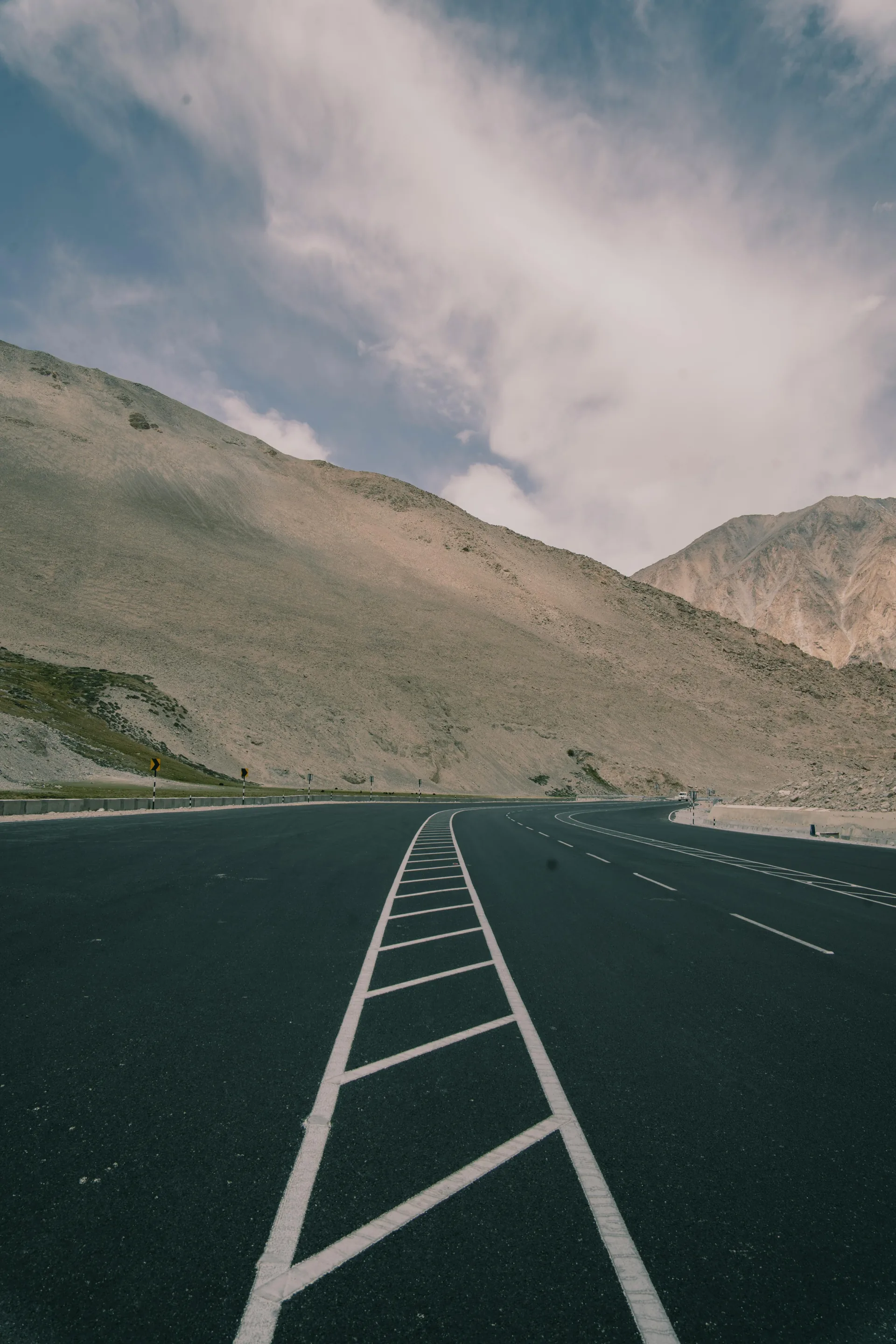
Mountain roads demand mechanically reliable vehicles; brakes must stop heavy loads on sustained descents, tires require robust construction handling sharp rocks and altitude-induced pressure variations, and engines must function efficiently in oxygen-depleted atmosphere. Verify vehicle maintenance before departure—check brake fluid, tire condition, battery health, and engine performance; mechanical failures in remote locations create serious dangers requiring self-sufficiency impossible for unprepared travelers. Travel with experienced drivers understanding high-altitude driving—downshifting on descents preserves brakes, managing engine power prevents stalling at elevation, and avoiding rapid acceleration preserves fuel efficiency essential for long distances between petrol stations. Carry spare parts (fan belts, batteries, fuel filters), tools, jumper cables, and tire repair materials; remote areas offer zero mechanical assistance requiring self-reliance for minor problems. Keep fuel tanks full when departing towns; distances exceed 200 kilometers between petrol stations with no guarantee of availability, making fuel management critical.
Mental Resilience & Embracing Challenge
Ladakh's combination of altitude, remoteness, mechanical challenges, and psychological demands tests mental resilience alongside physical capacity; psychological preparation proves as important as physical conditioning. Anticipate challenges before arrival—altitude sickness, uncomfortable sleeping arrangements, limited facilities, extended vehicle hours—and mentally prepare coping strategies rather than expecting perfection and becoming frustrated by inevitable discomforts. Develop flexible mindsets accepting that plans will shift due to weather, mechanical issues, or altitude responses; travelers who embrace flexibility experience significantly more enjoyment than those rigidly demanding itinerary adherence. Recognize that difficulties and discomfort comprise the journey's essential elements rather than obstacles to overcome; the challenges themselves generate the transformative experiences that make Ladakh remarkable, suggesting that optimal travel requires accepting rather than fighting the inherent difficulties.