The Transformative Power of Altitude and Solitude
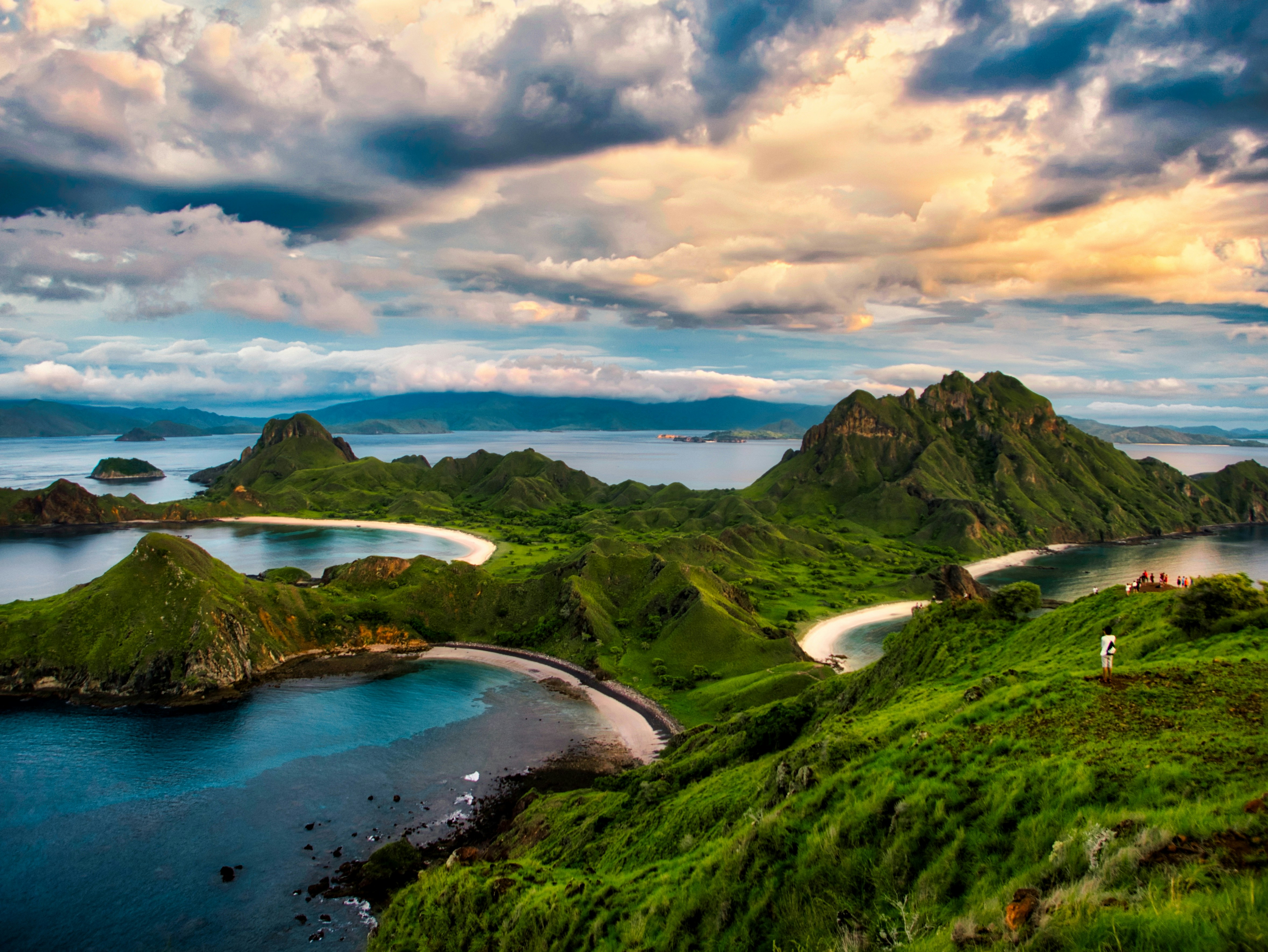
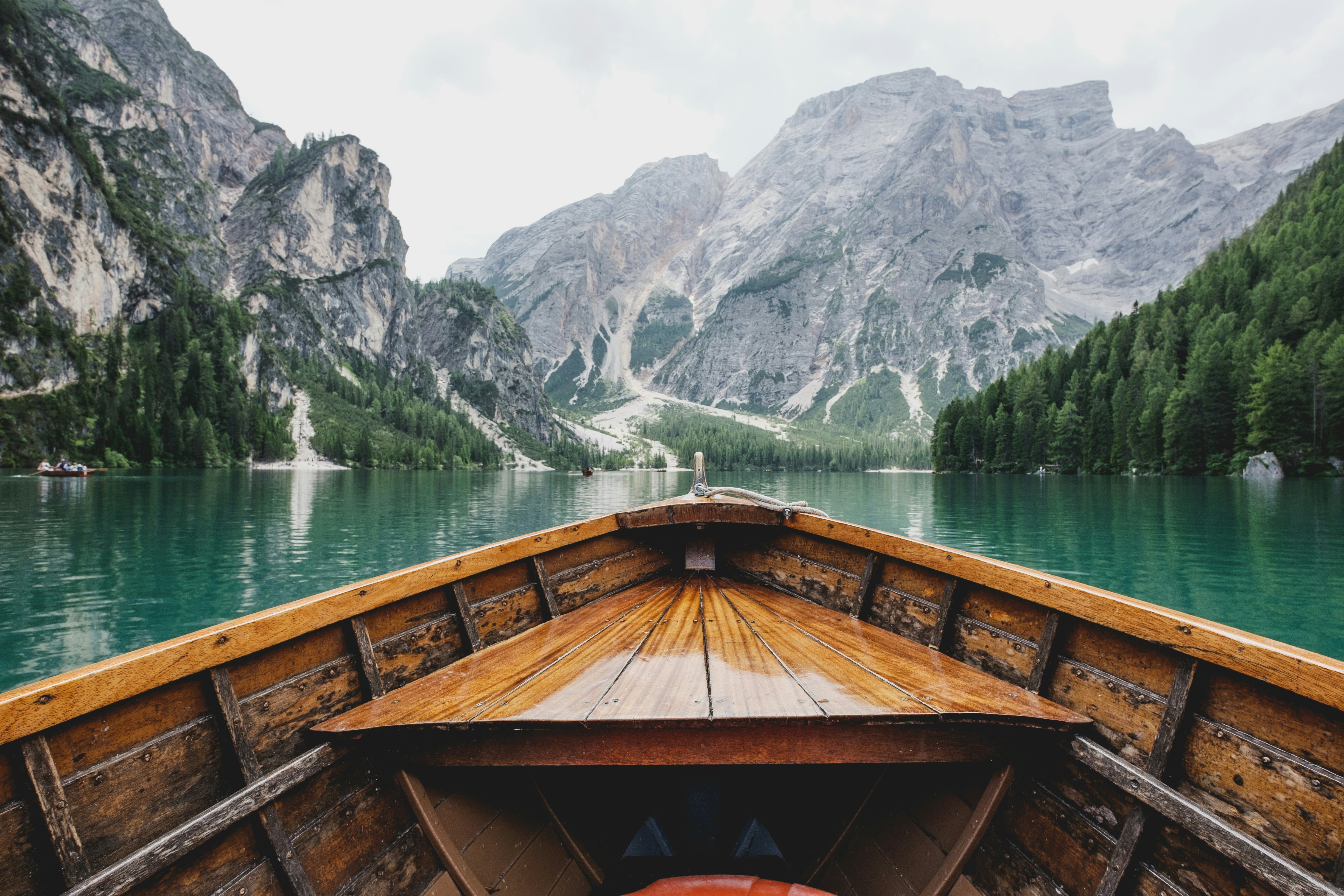
Mountain travel offers profound psychological and physical transformation through exposure to extreme environments, reduced human settlement density, and landscapes that dwarf human concerns. At elevations where weather patterns dominate daily rhythms and narrow trails demand complete present-moment attention, the mental chatter that occupies everyday consciousness quiets naturally. High-altitude regions demand respect for nature's power—unpredictable weather changes, altitude effects, rocky terrain, and isolation create genuine vulnerability that modern life typically insulates us from experiencing. This vulnerability, though uncomfortable, connects travelers to primal human experience, awakening sensory awareness and embodied presence often lost in sedentary urban existence. Mountain destinations worldwide—the Himalayas, Andes, Rocky Mountains, Alps, Atlas Mountains—share common characteristics: thin oxygen creating physical exertion, dramatic topography offering constant visual stimulation, and relative isolation from human infrastructure. Yet each mountain region embeds itself within distinct cultural contexts, as mountain communities develop unique adaptations, spiritual traditions, and ways of living with extreme environments. The Sherpa cultures of the Himalayas, Andean civilizations adapting to high-altitude plateaus, Alpine communities engineering survival in harsh winters, or Moroccan Berber mountain traditions represent human creativity in building meaningful lives within challenging geography.
Trekking Culture: The Journey as Destination
Trekking—sustained walking journeys through mountainous terrain—represents perhaps the purest form of mountain travel, creating experiences fundamentally different from mountain sightseeing via cable cars or vehicles. Multi-day trekking routes like the Kilimanjaro ascent, Appalachian Trail sections, GR20 Corsica, or Annapurna Circuit establish daily rhythms where walking becomes meditation, camps become temporary community, and fellow trekkers become trusted companions sharing vulnerability and achievement. Trekking strips away tourism superficiality—participants necessarily engage with physical limitations, weather challenges, and authentic mountain community interaction unavailable to drive-through mountain tourism. The physical exertion of sustained hiking creates genuine accomplishment and body awareness that recreational activities rarely generate; climbing mountains with personal effort creates attachment, gratitude, and respect for landscape transformation impossible through passive observation. Traditional trekking cultures have developed intricate knowledge systems—understanding seasonal weather patterns, maintaining mountain trails across generations, identifying edible and medicinal plants, and managing livestock in harsh terrain. Learning from these communities deepens mountain appreciation from aesthetic experience into understanding of human adaptation and accumulated ecological knowledge. The camaraderie that develops among trekking groups, forged through shared physical challenge and collective vulnerability, generates friendships with authentic depth—stripped of superficial social positioning, people tend toward genuine connection.
Alpine Villages and Sacred Mountain Cultures
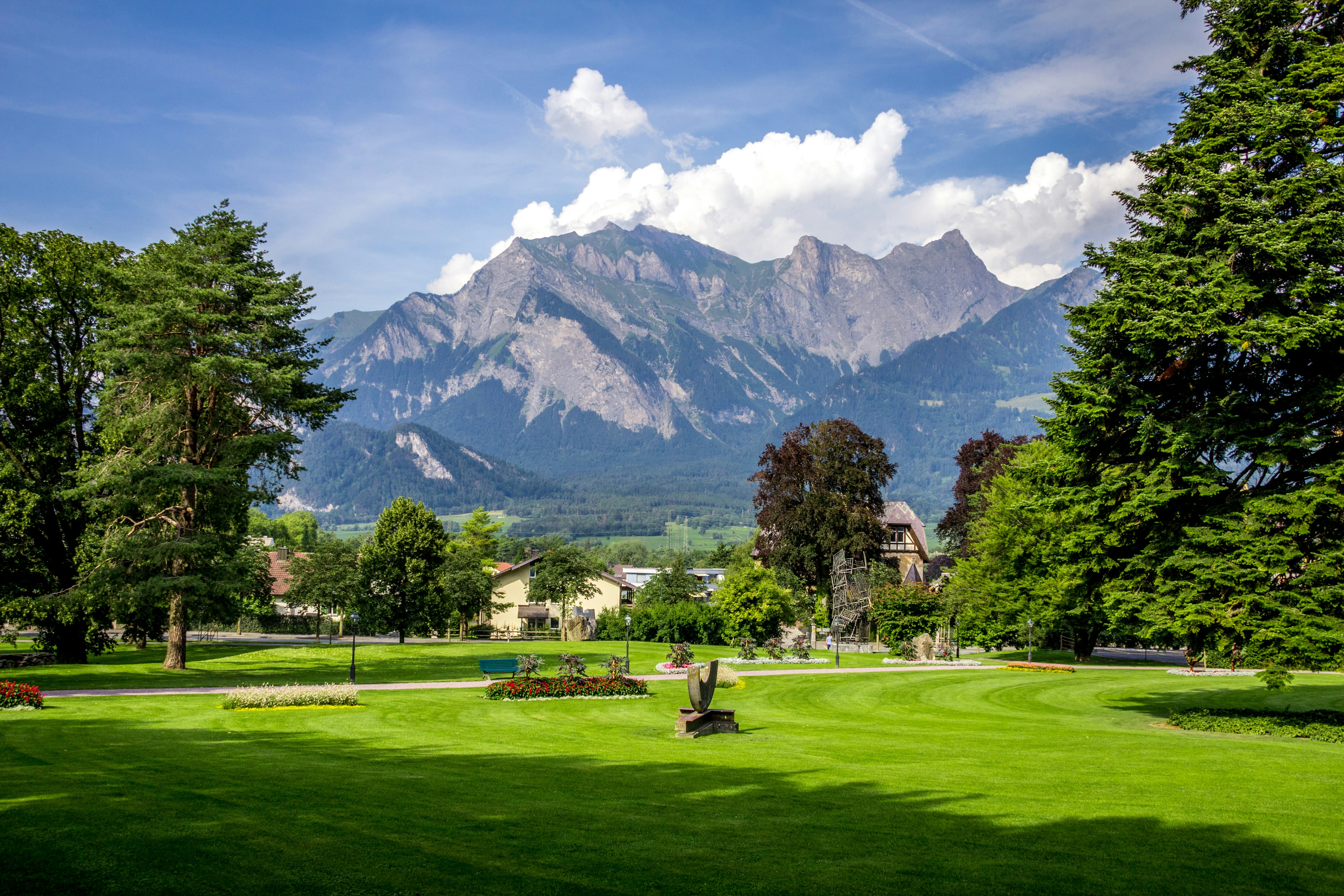
Mountain communities worldwide have developed distinctive spiritual traditions, cultural practices, and ways of understanding sacred landscapes. Many cultures recognize mountains as sacred—Hindus venerate the Himalayas, Andean cultures consider peaks as apus (mountain spirits), European alpine traditions honor mountains as repositories of wisdom, and Indigenous cultures throughout mountain regions embed spiritual significance into landscape. Visiting alpine villages permits experiencing these living traditions—witnessing Buddhist monasteries perched on cliffsides, participating in mountain-based pilgrimage traditions, observing how seasonal patterns dictate community rhythms, and understanding how harsh environments shape both practical survival strategies and spiritual worldviews. Alpine villages like those in Nepal, Tibet, Peru, or the Swiss Alps preserve architectural traditions evolved through generations of mountain dwelling—steep rooflines designed for heavy snow loads, thick walls providing insulation, and community layouts reflecting both defensive positioning and cooperative living. These villages offer deep cultural engagement—learning traditional building techniques, participating in seasonal harvest activities, or experiencing mountain hospitality that prioritizes generosity despite limited resources. The meditative quality of mountains extends beyond individual psychology into community cultural practices—many mountain societies emphasize patience, acceptance of natural cycles, and spiritual development as central to fulfilling human life.

High-Altitude Experiences and Physiological Adaptation
Mountain travel at high altitudes creates unique physiological experiences as the body adjusts to reduced oxygen availability, temperature extremes, and increased solar radiation. Altitude sickness—characterized by headaches, nausea, and fatigue—teaches respect for environmental limits; acclimatization permits gradual adaptation as the body produces additional red blood cells and develops physiological efficiency. Summiting major peaks represents genuine achievement, marking moments when personal physical limits become tangible through visible accomplishment. Indigenous populations living at extreme elevations demonstrate remarkable physiological adaptations developed through generations—Andean peoples show increased lung capacity, chest size, and oxygen utilization efficiency, while Tibetan mountain communities demonstrate unique hemoglobin patterns supporting high-altitude thriving. Experiencing altitude effects creates humble recognition that human dominance over environment remains conditional, dependent on respectful engagement with natural constraints. This humility, born of physical challenge and environmental exposure, often proves transformative for travelers accustomed to controlled urban environments where difficulty has been engineered away.
Mountain Seasons and Timing Strategic Travel Planning
Mountain destinations demand seasonal awareness—climbing seasons, weather patterns, trail accessibility, and community conditions vary dramatically across the calendar year. The Himalayas experience optimal trekking conditions during specific windows when monsoon weather passes and winter snows haven't accumulated, determining when successful summit attempts become possible. Alpine regions show dramatic seasonal transformation—summer wildflower meadows transform to snowbound winter landscapes, creating entirely different visual and experiential environments. Understanding seasonal patterns permits strategic timing that maximizes safety, accessibility, and natural beauty; arriving during optimal seasons versus shoulder seasons versus closed seasons transforms mountain experiences fundamentally. Mountain communities time activities according to seasonal availability—spring planting, summer harvest and trekking season, fall preparation, winter isolation. Experiencing these seasonal rhythms, whether through timing visits appropriately or participating in seasonal community activities, deepens understanding of mountain life beyond romantic aesthetic appreciation into recognition of genuine environmental constraints shaping human existence.