Understanding Dubai: From Fishing Village to Global Hub
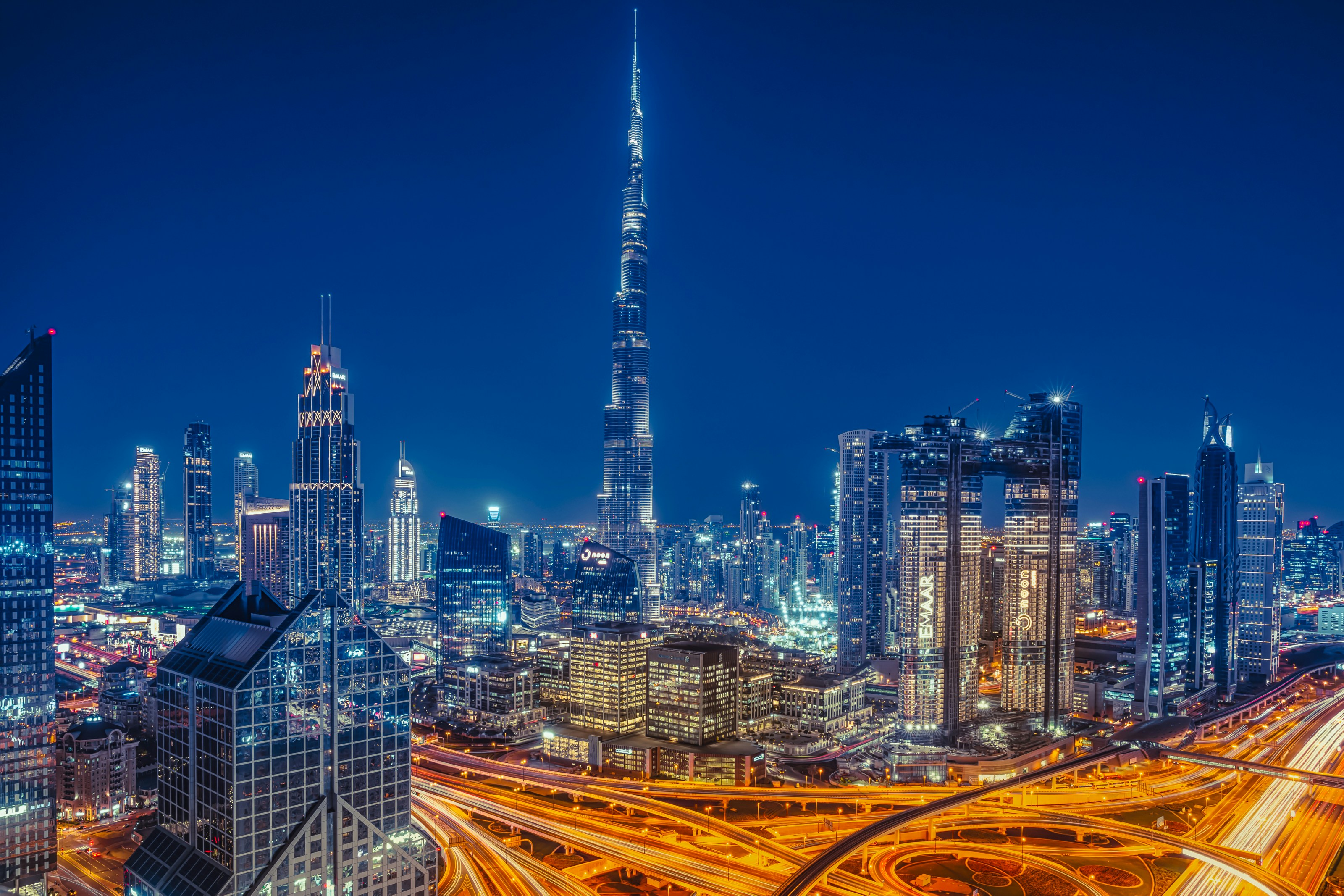
Dubai's transformation from small pearling and trading settlement (pre-1960) to world's tallest building (Burj Khalifa, 828 meters) showcases human ambition and capital mobilization. The visionary leadership of late Sheikh Zayed and his successors intentionally built world-class infrastructure, attracted international business, and created tax incentives attracting global talent. This pragmatic development strategy, combined with oil wealth providing initial capital, created contemporary Dubai prioritizing commerce, innovation, and luxury over historical preservation. Understanding this trajectory helps visitors appreciate Dubai's distinct character—a carefully constructed vision of globalized modernity rather than organically evolved traditional city.
The population composition (roughly 85% expatriate workforce from diverse nations) creates multicultural environment unlike traditional Arab societies. This diversity manifests in cosmopolitan atmosphere where multiple cultures coexist, international cuisines flourish, and global talent collaborates on ambitious projects. Indian expatriates comprise largest immigrant group (approximately 30% of population), creating comfortable familiarity for Indian travelers while providing employment opportunities attracting skilled workers.
Dubai's development prioritizes superlatives—tallest buildings, largest shopping centers, most luxurious hotels, grandest resorts. This focus on scale and spectacle reflects deliberate positioning as global destination attracting tourists worldwide. While some find Dubai's commercialism excessive or culturally superficial, others appreciate its meritocratic approach where talent and capability determine success regardless of ethnic or religious background.
Modern Dubai: Landmarks & Luxury Experiences
Burj Khalifa, dominating Dubai's skyline, offers observatories at 124th and 148th floors providing stunning city views encompassing desert, coastline, and urban sprawl. The ascent through atmospheric floors (each representing different global cities) creates interactive experience educating about architecture and design. The Burj Khalifa base houses luxury shops, restaurants, and the famous fountain system performing water-music synchronized performances hourly.
The Dubai Mall, world's largest shopping center by total area, contains over 1,200 stores, aquariums, ice skating rinks, and restaurants—shopping transcends commercial transaction into entertainment experience. The Gold Souk (traditional market) features hundreds of gold vendors offering competitive prices, jewelry customization, and cultural immersion within commercial context. Palm Jumeirah and other artificial islands represent engineering audacity, creating beachfront real estate in desert environment where natural coastline couldn't accommodate demand.
Luxury resort experiences (Burj Al Arab, Emirates Palace in nearby Abu Dhabi) provide indulgence for travelers prioritizing comfort and opulence—these properties justify premium pricing through impeccable service, architectural splendor, and amenity abundance. Beach clubs, desert safaris, water sports, and spa experiences cater to various preferences and budgets.
Cultural Preservation: Emirati Heritage Amid Modernity
Despite rapid modernization, Dubai maintains cultural heritage through Sheikh Mohammed Centre for Cultural Understanding, Heritage areas preserving traditional architecture, and museums documenting pre-oil era history. The Al Fahidi Historical District preserves traditional wind-tower architecture, traditional residences, and cultural institutions within modern city. These preserved areas, though small in relation to contemporary sprawl, remind visitors of Dubai's organic origins before oil wealth and visionary development transformed landscape.
Emirati culture—emphasizing family honor, business acumen, and Islamic principles—shapes society despite international workforce dominance. Respecting cultural norms (modest dress in public, avoiding alcohol consumption in public, demonstrating deference to local authority) demonstrates understanding that Dubai, despite cosmopolitan appearance, remains fundamentally Islamic society with distinct values and expectations.
A 4-5 day Dubai itinerary typically includes: 1-2 days exploring Burj Khalifa, Dubai Mall, coastal areas, and modern attractions; 1 day experiencing desert safari (dune driving, falconry, camel rides, Bedouin camp experience); 1 day exploring cultural heritage districts, Gold Souk, traditional markets; 1 day relaxing at beach clubs or engaging in water sports. This balance permits experiencing both modern Dubai spectacle and cultural authenticity.

Desert Experiences: Nature Within Urban Context
Desert safaris, typically evening experiences, provide sensory immersion into Arabian desert ecosystem. Driving through sand dunes in 4x4 vehicles, experiencing skilled navigators utilizing natural terrain knowledge, watching sunset paint desert golden, and visiting Bedouin camps with traditional hospitality (henna painting, shisha smoking, camel rides, traditional meals) create memorable cultural encounters. These experiences, though commercialized, connect visitors to desert traditions persisting within ultra-modern context.
Practical Considerations: Heat, Religion & Respect
Dubai's summer temperatures (May-September) exceed 45 degrees Celsius; visiting during winter months (November-February) provides comfortable weather. Ramadan (Islamic fasting month varying annually) affects business hours, restaurant availability, and public behavior—respecting fasting observers by avoiding eating/drinking in public during daylight hours demonstrates cultural sensitivity. Modest dress (covering shoulders and knees) suits religious sites; beachwear remains acceptable at beaches and resorts.