The Vision: Building a Global City from Desert
Sheikh Zayed bin Sultan Al Nahyan and Sheikh Mohammed bin Rashid Al Maktoum transformed desert wasteland into world's most luxurious destination through bold vision, calculated risk-taking, and sustained investment. Recognizing that oil reserves would eventually deplete, leadership strategically invested petroleum wealth into diversified economy prioritizing tourism, trade, real estate, and financial services. This economic planning proved remarkably foresighted—oil revenues now comprise less than 2% of Dubai's GDP, with tourism and commerce providing sustainable prosperity independent of fossil fuel dependency.
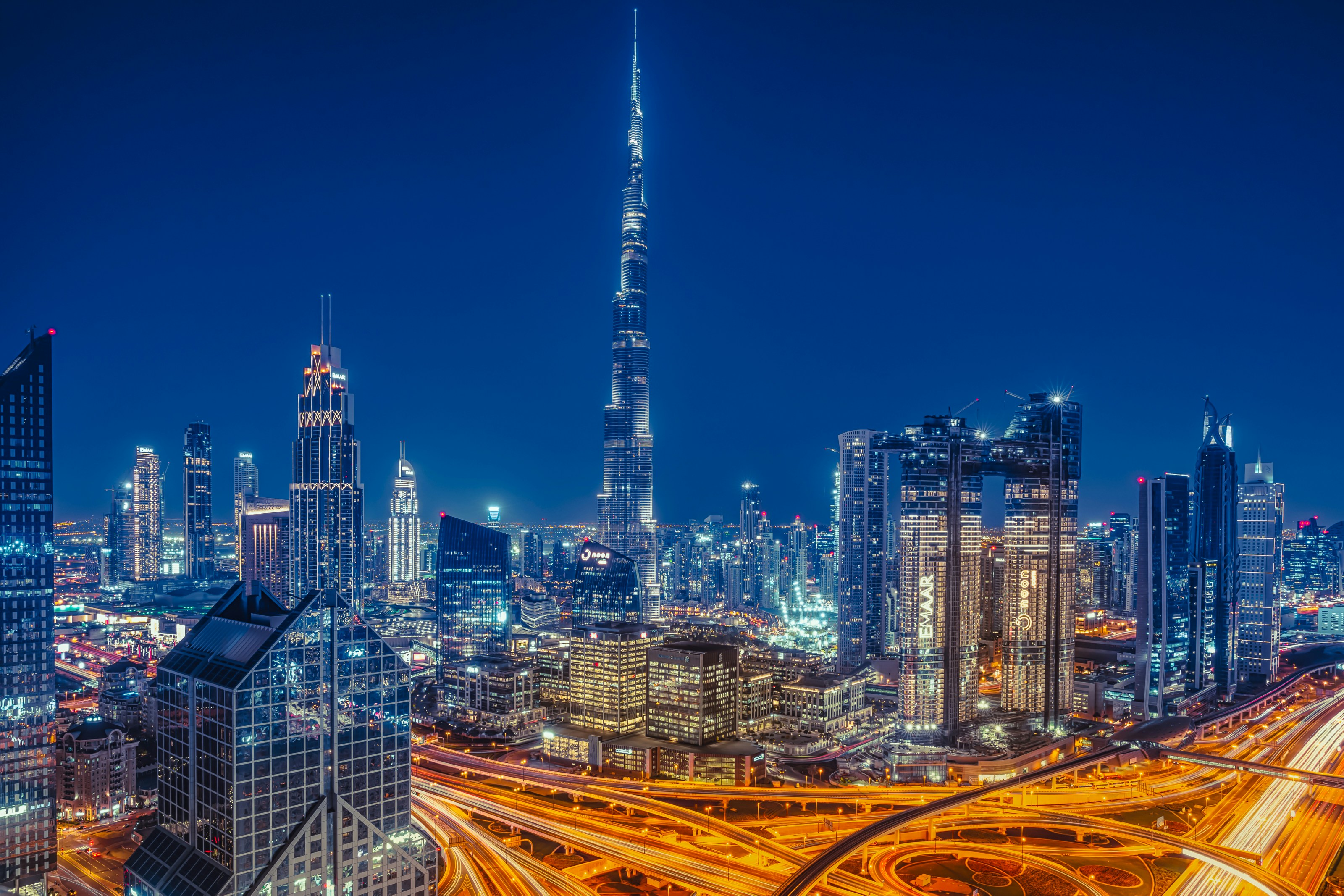
The decision to build Burj Khalifa, Palm Jumeirah, and massive infrastructure despite financial crises (2008 global recession, 2020 pandemic) demonstrates commitment to long-term vision surpassing short-term profitability. Projects designed to fail economically were justified as iconic landmarks attracting global attention, establishing Dubai as must-visit destination. This strategy—investing in visibility and prestige generating cultural capital exceeding immediate financial returns—proved remarkably successful.
Dubai's development reflects broader UAE philosophy emphasizing meritocracy, transparency in business dealings, and pragmatic governance prioritizing economic stability and citizen prosperity. The absence of corruption (relative to regional comparisons), efficient bureaucracy, and business-friendly regulations attracted international corporations establishing Middle Eastern headquarters in Dubai. This institutional reliability, combined with tax benefits and strategic location bridging Asian and European markets, created conditions supporting sustained growth.
Modern Ambition: Sustainability & Innovation
Contemporary Dubai projects emphasize sustainability and environmental responsibility—the Masdar Initiative promotes renewable energy, water conservation, and ecological efficiency despite desert environment's inherent constraints. Masdar City (in nearby Abu Dhabi) represents net-zero carbon community concept, demonstrating commitment to environmental stewardship. This evolution from resource extraction toward sustainable development shows genuine engagement with global environmental concerns.
The UAE's Vision 2030 articulates ambitious goals for economic diversification, renewable energy integration, and quality-of-life improvements—technological innovation, entrepreneurship support, and youth education receive government priority. The establishment of free zones, technology parks, and research institutions positions UAE as innovation hub competing globally in emerging industries.
Dubai's development model, though critiqued for excessive consumption and environmental costs, demonstrates how nations can achieve rapid development by mobilizing capital, talent, and vision. The success of this model—creating world-class infrastructure, attracting global talent, and generating tourism revenue—influences development strategies across Middle East and Asia.
The Human Cost: Labor & Social Dynamics
Dubai's stunning development relies partially on migrant workers from South Asia, Southeast Asia, and Africa whose labor built iconic structures while experiencing sometimes exploitative working conditions. Wage theft, excessive work hours, visa restrictions limiting mobility, and inadequate housing characterized early development phases. Recent labor reforms, worker protections, and enforcement improvements address these concerns, though implementation remains incomplete. Ethical tourism requires acknowledging these historical and ongoing realities—appreciating magnificent architecture while recognizing human effort sustaining its creation.
Contemporary Dubai attempts addressing social fragmentation through integration programs promoting multicultural understanding, though tensions persist between national and expatriate populations regarding resource distribution, citizenship, and cultural dominance. Young Emiratis navigate between preserving national identity and participating in globalized, multicultural society—this tension shapes contemporary Gulf society.
Lessons for Other Developing Nations
Dubai's success offers lessons for nations attempting rapid development: visionary leadership committed to sustainable progress, pragmatic economic diversification reducing dependency on single resources, investment in infrastructure attracting talent and business, and institutional reliability building investor confidence. However, the model's replicability remains questionable—Dubai benefited from fortunate timing, oil wealth providing initial capital, and geographical advantages as trade hub. Nations lacking these advantages must develop distinct strategies suited to their resources and circumstances.
The environmental and social costs of Dubai's development raise questions about sustainability and equity transcending economic metrics. Some argue that rapid commercialization, cultural homogenization, and environmental degradation represent unacceptable trade-offs for economic growth. Others contend that Dubai's achievement lifted millions from poverty, created unprecedented employment, and demonstrated human capacity for transforming environments. These debates, while unresolved, reflect genuine complexity in evaluating development models.

Dubai as Mirror: Reflecting Global Aspirations
Dubai functions as mirror reflecting contemporary global values—ambition, consumption, technological mastery, and cosmopolitan inclusivity. Visitors typically either admire Dubai's achievements or critique excessive consumption and cultural superficiality; few remain neutral. This polarization reflects deeper questions about development, progress, and human values that Dubai exemplifies without resolving.
The Tourism Phenomenon: Destination by Design
Dubai's status as world's fastest-growing tourism destination results from deliberate branding strategy positioning it as luxury, innovation, and entertainment hub. Marketing investments, celebrity endorsements, and strategic hosting of global events (World Expo 2020, sports tournaments) amplified visibility. The consistent delivery of high-quality experiences justified inflated expectations—visitors typically find Dubai meeting hyped promises through meticulous service and spectacular attractions.