Cairo: Ancient Islamic City & Pharaonic Treasure Repository
Cairo, founded in 969 CE as a Fatimid royal enclosure, evolved into Africa's largest metropolitan area with 20+ million residents creating sensory chaos and cultural richness simultaneously. Medieval Islamic Cairo preserves extraordinarily well despite modern expansion, with narrow winding streets through Old City districts, historic mosques featuring intricate tilework and calligraphy, and ancient madrasas (Islamic schools) remaining functional after centuries. The Egyptian Museum, established 1902, houses Earth's most significant pharaonic collection: King Tutankhamun's golden funerary mask and treasures from his tomb, mummies of legendary pharaohs including Ramesses II and Thutmose III, statuary, papyri, and jewelry spanning 5,000 years. Visitors typically spend 3-4 hours minimum to view highlights, though true Egyptologists could spend weeks. Khan el-Khalili bazaar, Cairo's legendary medieval marketplace sprawling through narrow lanes near Al-Azhar Mosque, assaults visitors' senses with exotic spices (cardamom, saffron, cumin), bolts of silk and cotton textiles, brass lanterns, and leather goods. Vendors employ persistent sales tactics; bargaining remains expected and culturally normative. The bazaar encapsulates centuries of Cairene commerce, with family stalls operated across generations, tea merchants, brass workers, and spice sellers maintaining medieval patterns. Evening visits prove particularly atmospheric, with lantern lighting and reduced crowds. Giza's pyramids visible across the Nile from Cairo create dramatic backdrop for city exploration, while Islamic Cairo's mosques, from intimate neighborhood prayer spaces to massive Friday mosques like Muhammad Ali's alabaster-clad structure in the Citadel, showcase architectural evolution across centuries.
Pyramids of Giza: Humanity's Greatest Architectural Mystery
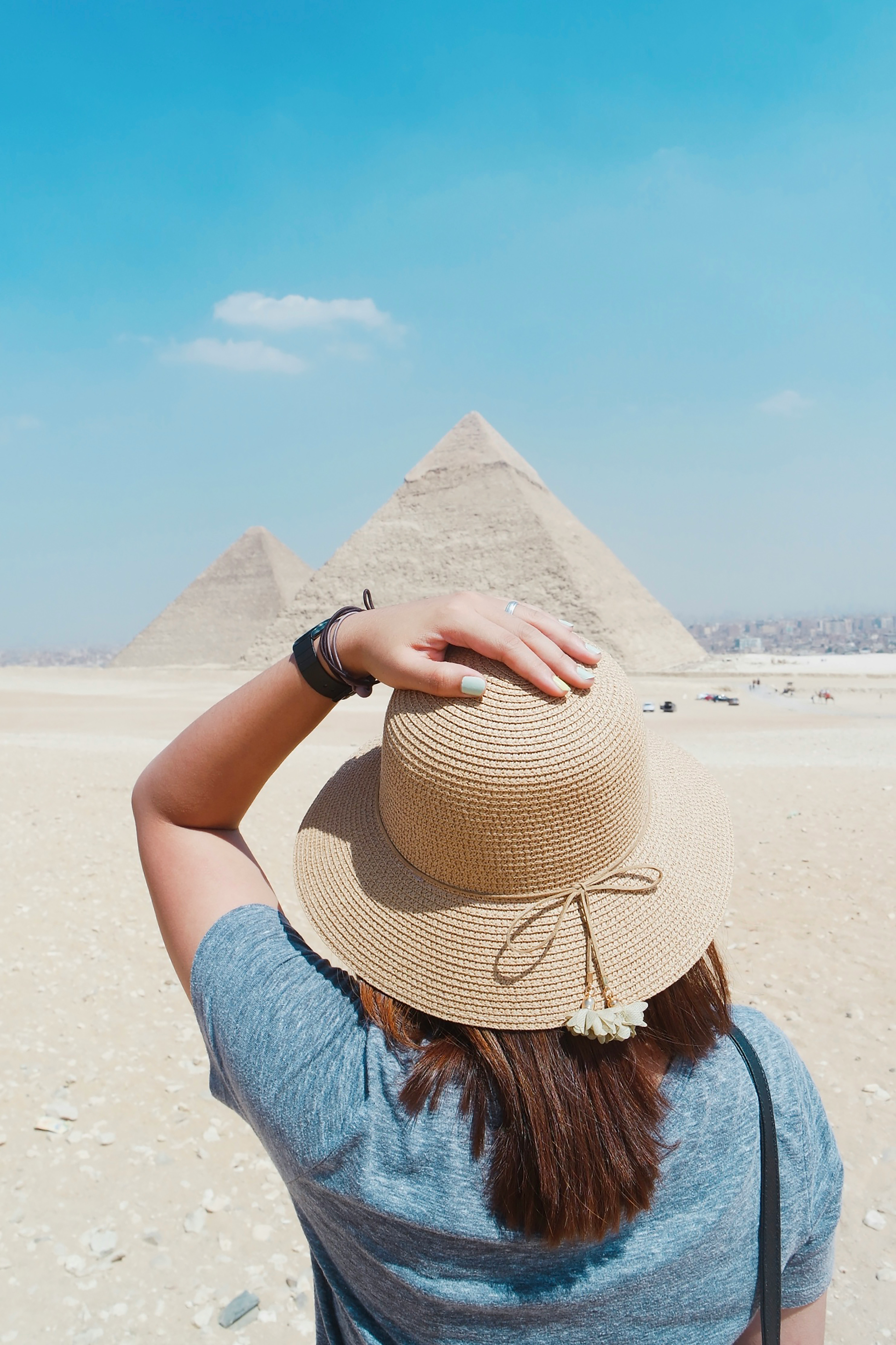
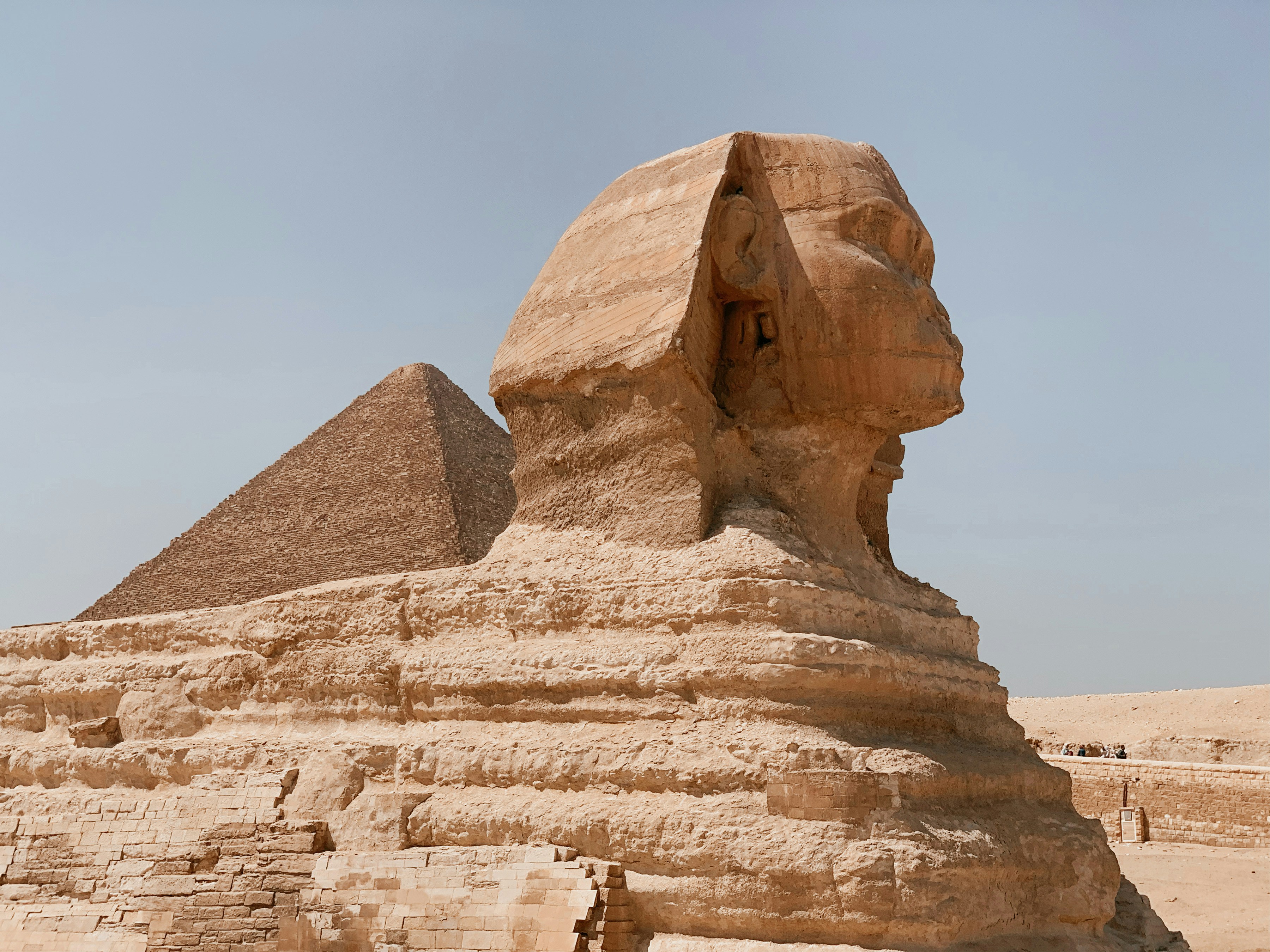
The Great Pyramids of Khufu, Khafre, and Menkaure, constructed during Egypt's Old Kingdom (2589-2504 BCE), represent the pinnacle of pharaonic ambition and engineering mystery. Khufu's Great Pyramid originally rose 146.5 meters, making it Earth's tallest structure for 3,800 years until medieval cathedrals exceeded it. Constructed from approximately 2.3 million limestone blocks weighing 2.5 metric tons average, quarried, transported, and precisely placed without modern machinery, the pyramid's geometry achieves mathematical perfection: sides aligned precisely to cardinal directions, slope angles calibrated with remarkable accuracy, and interior chambers positioned with intentional spiritual symbolism. Scholars debate construction methods endlessly; ramp systems, lever systems, and water-based transportation theories compete for credibility. Standing before these structures, visitors sense profound human determination and organizational capability that Egyptology continues failing to fully explain. Khafre's pyramid retains original casing stones at its summit, giving glimpses of original gleaming white limestone appearance visible across ancient Egypt. Menkaure's pyramid, the smallest of the three major pyramids, contains mysterious black granite burial chamber. The Great Sphinx, hewn from single limestone outcrop with human head and lion's body, watches the plateau with enigmatic expression, its purpose debated among scholars (royal portrait, mythological guardian, or astronomical marker?). Sunrise at Giza, with pyramids silhouetted against crimson sky, creates spiritually moving experience explaining ancient Egypt's psychological grip on modern consciousness. Sunset proves equally spectacular, bathing structures in golden light. Photography is permitted, though commercial photography requires permits; early morning visits beat afternoon crowds and extreme heat.
Luxor & Karnak: Temple Complexes & Pharaonic Theology
Luxor, ancient Thebes, served as Egypt's capital during the New Kingdom (c. 1550-1077 BCE), a period of unprecedented power and cultural flowering. Karnak Temple, history's largest religious complex covering 247 acres, was built across 13 centuries by successive pharaohs creating layered architectural grandeur. The Great Hypostyle Hall, constructed by Seti I and Ramesses II, contains 134 columns arranged in 16 rows, with central columns rising 23 meters higher than peripheral columns to allow clerestory lighting system. Walking through these columns elicits profound awe; no photograph captures the scale and impact of standing among giants. Hundreds of colossal statues, sphinxes, and pylons throughout the complex narrate Egypt's spiritual and political history through iconography and hieroglyphics legible to trained Egyptologists. The Sacred Lake, where priests purified themselves for temple ceremonies, reflects surrounding architecture in mirrorlike surface. The Scarab Beetle statue, depicting the dung beetle sacred in Egyptian mythology representing resurrection and renewal, welcomes visitors to inner sanctums. Karnak preserves the most intact sequence of pharaonic temple development, allowing visitors to witness architectural evolution from Old Kingdom simplicity to New Kingdom elaboration. Luxor Temple, smaller but more elegant than Karnak, stands on the west bank with dramatic pylon gateway framing the avenue of sphinxes leading to the temple entrance. The temple's Hypostyle Hall, smaller but equally impressive, features painted relief carvings retaining original pigmentation in protected areas, proving the vivid colors ancient temples displayed. Evening sound and light shows, while touristy, offer contextual narratives helping visitors interpret temple symbolism. Professional Egyptology guides, available through hotels or tourist offices, dramatically enhance comprehension, explaining religious mythology, pharaonic genealogies, and architectural symbolism that casual visitors miss.
Valley of the Kings & Pharaonic Burial: Journey to the Afterlife
Luxor's west bank contains the Valley of the Kings, where 64 pharaohs and royal family members were buried in elaborate tombs carved into desert mountains, concealed from tomb robbers and protected by natural geography. Each tomb descends steeply into rock, with passages decorated with hieroglyphic texts and vivid religious imagery depicting the pharaoh's journey through the duat (underworld) toward eternal resurrection. The famous tomb of Tutankhamun (KV62), discovered by Howard Carter in 1922 in nearly intact condition, revolutionized Egyptology through unprecedented archaeological documentation and treasure quantity (over 5,000 objects). Walking through Tutankhamun's chambers reveals nested coffins, funerary furniture, weapons, games, and everyday objects accompanying the young king to the afterlife. His famous golden death mask, currently displayed in Cairo's new Grand Egyptian Museum rather than the old Egyptian Museum due to recent relocations, represents the pinnacle of ancient Egyptian goldwork artistry. Larger tombs like Ramesses VI's descend through multiple chambers with astronomical ceilings depicting constellations and mythological scenes. Tomb decoration followed strict religious protocols from the Book of the Dead and Book of the Duat, ensuring pharaohs navigated the afterlife successfully; tomb paintings and reliefs served as spiritual maps guiding the deceased through dangers and temptations toward eternal paradise. The Valley's geology, with soft limestone mountains and naturally dry climate, preserved these tombs extraordinarily well; temperatures and aridity prevented organic material decay that would destroy papyri, textiles, and wooden objects in other regions. Visiting the Valley demands early morning starts (gates open 6 AM) to beat afternoon crowds and extreme heat; 1-2 hours suffices for 3-4 tombs. Tickets include specific tomb access; not all 64 tombs remain open (some preserve artifacts by restricting access). The Valley remains active archaeological site; recent discoveries of previously unknown tombs prove that after centuries of exploration, Egypt's burial grounds continue revealing secrets to systematic excavation.
Nile River Cruises & Southern Egypt Navigation
The Nile River, flowing 6,650 kilometers through Africa, served as ancient Egypt's circulatory system, enabling civilization development and pharaonic power. Modern Nile cruises between Aswan and Luxor, lasting 3-5 days, offer leisure-paced journeys recreating ancient routes connecting pharaonic kingdoms. Felucca sailboats, traditional wooden vessels with triangular sails unchanged for millennia, provide authentically low-key cruising, drifting silently past villages and agricultural lands. Luxury cruise ships offer all-inclusive packages with restaurants, entertainment, and guided shore excursions. Budget options include basic passenger ferries carrying locals, offering cultural immersion but minimal amenities. Aswan, Egypt's southern gateway, sits where the Nile narrows at the First Cataract (rocky shallows preventing navigation), marking ancient Egypt's southern border. Aswan's Nubian culture distinctly colors daily life, with locals speaking Nubian languages alongside Arabic, Nubian architecture featuring distinctive colors and decorative patterns, and date palm groves surrounding the city. The Aswan High Dam, completed 1970, created Lake Nasser and controlled annual Nile flooding that had shaped Egyptian civilization for millennia. The reservoir's creation submerged Nubian villages and threatened Abu Simbel temples; UNESCO coordinated relocation of colossal temples higher on the mountain to preserve Ramesses II's monumental legacy. Nile cruises include stops at smaller temples (Dendera, Edfu, Kom Ombo) and villages like Esna with traditional markets and daily life visible from cruise ships. Standing on deck watching felucca sailboats pass, children waving from riverbanks, water buffalo bathing, and sunset painting the Nile in golden hues creates spiritual connection to Egypt's timeless character. The river journey concludes at Aswan, leaving travelers with profound appreciation for the Nile's centrality to Egyptian civilization, spirituality, and contemporary culture.