Strategic Itinerary Planning & Archaeological Site Logistics
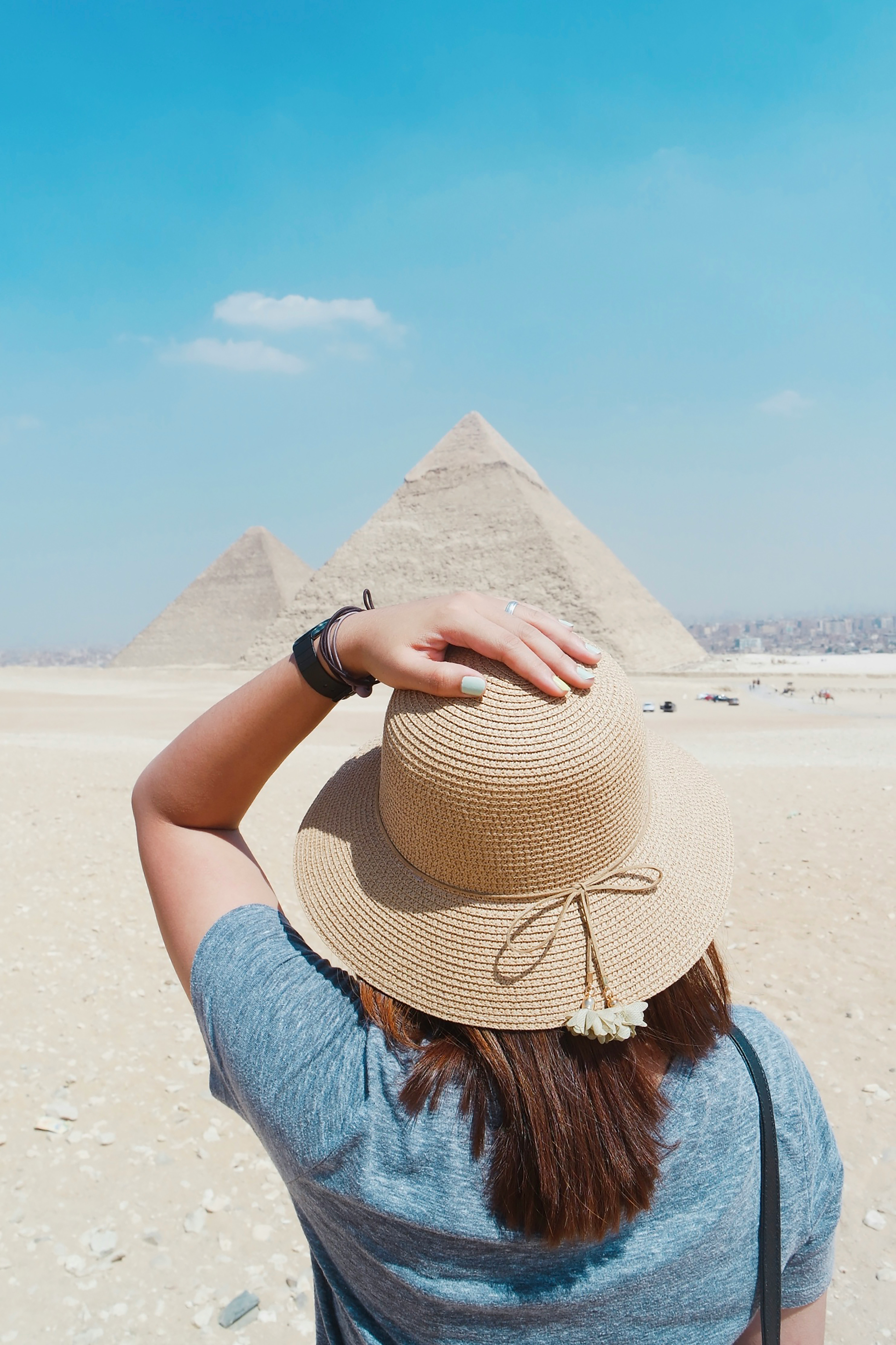
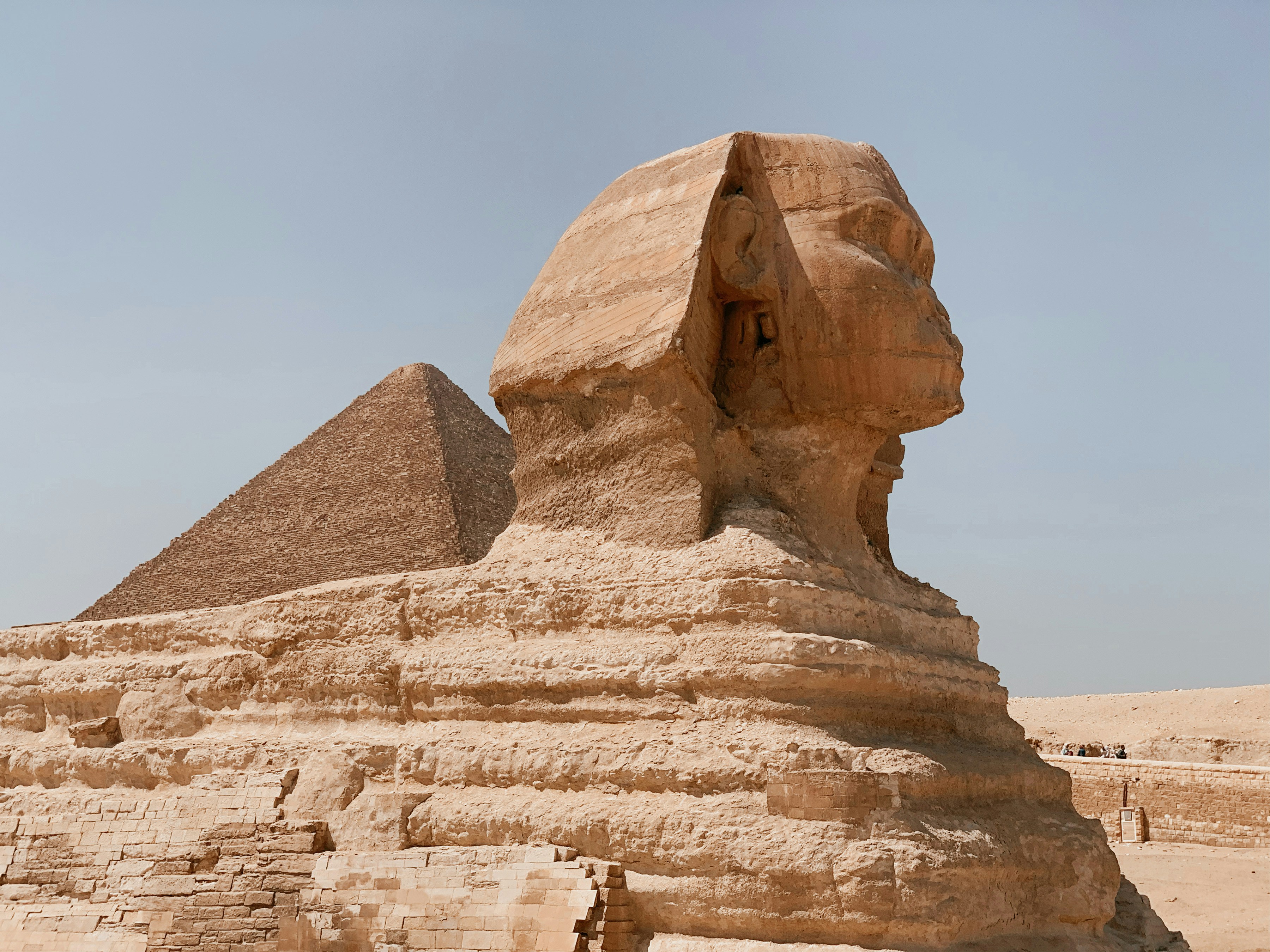
Egypt's major attractions span geographically; most visitors benefit from creating multi-leg itineraries rather than attempting everything in one location. The optimal approach begins with 2-3 days in Cairo (arrival adjustment, pyramids, museums), advances to 4-5 days in Luxor (temples, Valley of the Kings, nearby monuments), continues with 3-4 day Nile cruise to Aswan, and concludes with 2-3 days exploring Aswan and Abu Simbel if time permits. This sequencing balances museum-based learning with outdoor exploration, ancient northern sites with southern temples, and allows gradual geographical progression rather than excessive backtracking. Book accommodations within walking distance of major archaeological sites to minimize travel time and maximize sightseeing hours during optimal daylight periods. In Cairo, stay near Giza or downtown Tahrir (museum district); in Luxor, choose east bank hotels near temples rather than west bank (requiring ferry crossings). Hiring qualified Egyptologist guides enriches archaeological experiences tremendously, transforming passive monument observation into engaging storytelling. Licensed guides possess extensive historical knowledge, understand site-specific regulations, navigate bureaucratic documentation, and provide personal narratives making monuments come alive. The investment (typically USD 80-120 daily for private guide) returns exponentially through enhanced understanding and privilege access to restricted areas. Budget approximately 5-7 hours daily for active sightseeing; longer periods exhaust visitors physically and mentally, reducing comprehension and enjoyment. Many travelers underestimate exhaustion from walking on uneven archaeological sites in heat while processing enormous historical information simultaneously.
Heat Management & Optimal Travel Seasons
Egypt's seasonal temperatures dramatically influence travel comfort and safety. Summer heat (May-September) reaches 40-45 degrees Celsius in Cairo and exceeds 48 degrees in southern regions like Aswan, creating dangerous conditions for outdoor sightseeing. Winter season (November-March) provides ideal 18-25 degree temperatures with lower humidity, making this peak tourism period with correspondingly higher prices and larger crowds. Shoulder months (April-May, September-October) offer moderate temperatures, fewer tourists, and discounted accommodations, appealing to flexible travelers. If summer travel is unavoidable, plan early morning starts (6-7 AM) for outdoor exploration, scheduling museum visits and indoor activities during peak afternoon heat (12-4 PM when temperatures peak), then resuming outdoor exploration as temperatures moderate in evening. Stay hydrated constantly through the day; dehydration accumulates gradually, creating fatigue, dizziness, and heat exhaustion before symptoms become obvious. Drink bottled water exclusively, avoid ice in beverages that may contain unsafe water, and maintain electrolyte balance with oral rehydration solutions or coconut water. Lightweight, loose-fitting clothing in pale colors (white, khaki, light blue) reflects solar radiation while allowing sweat evaporation and heat dissipation. Avoid dark colors and synthetic fabrics that trap heat and inhibit evaporation. Quality sunglasses protect eyes from intense desert glare and prevent UV-related cataracts from years of sun exposure. Sunscreen (SPF 50+) applied generously every 2 hours prevents painful sunburns that compromise subsequent days. Hats or scarves covering the scalp, essential for all-day outdoor exposure, prevent heat exhaustion by protecting the head's thin skin from direct solar radiation.
Health Precautions & Medical Preparedness
Water safety constitutes the primary health concern for Egypt travelers; tap water throughout Egypt contains parasites and bacteria causing severe gastrointestinal distress in visitors lacking immunity. Never drink tap water, use tap water for tooth brushing, or consume ice made from tap water; stick exclusively to bottled water from sealed bottles. Verify bottle seals before consuming; unscrupulous vendors refill bottles with tap water, presenting genuine appearance while containing contaminated water. Traveler's diarrhea, caused by enterotoxigenic E. coli and other pathogens, affects 30-50% of Egypt visitors despite precautions; mild cases resolve with oral rehydration solutions and antimotility agents (loperamide/Imodium). Severe diarrhea requires antibiotics; carry fluoroquinolone antibiotics (ciprofloxacin or levofloxacin) prescribed by your physician for emergency treatment. Consult your doctor regarding recommended vaccinations: typhoid vaccine provides significant protection against common foodborne illness, hepatitis A protects against contaminated water, and ensure current tetanus protection. Yellow fever vaccination is not required by Egypt but recommended if traveling from endemic regions. Malaria risk is minimal in major tourist areas (Cairo, Luxor, Aswan) but exists in rural regions; discuss antimalarial prophylaxis with your physician if visiting countryside or oases. Travel insurance covering medical evacuation to international hospitals is essential; serious medical situations may require transport to Cairo's international medical facilities or evacuation to Europe, creating expenses exceeding USD 10,000-50,000. Comprehensive travel insurance (typically USD 10-15 daily for travelers under 65) covers evacuation costs, hospital treatment, and emergency dental work. Bring prescription medications in original labeled bottles with physician documentation proving legitimacy; Egypt maintains strict controls preventing import of certain medications. Carry a basic medical kit including antimotility agents, antibiotics, pain relievers, antihistamines, antibiotic ointment, and blister treatment.
Cultural Sensitivity, Photography Ethics & Social Dynamics
Egypt's Islamic culture deserves respectful engagement; dress conservatively throughout your visit, particularly outside major tourist areas, with shoulders and knees covered demonstrating respect for Islamic norms. Women travelers should wear lightweight long pants or skirts rather than shorts; men should wear long pants rather than shorts. Head scarves prove helpful for women visiting mosques, though not universally mandatory. Women travelers should avoid unaccompanied evening travel in certain Cairo neighborhoods and isolated areas; join organized tours, travel with companions, or hire private drivers for evening activities. Harassment of female travelers, while less common than reputation suggests, does occur; firm, direct refusals of unwanted attention prove more effective than polite avoidance. Request explicit permission before photographing local people, particularly women and children; many refuse photographs, viewing them as spiritually invasive. Absolutely avoid photographing religious ceremonies, prayer times, or funeral rituals without explicit invitation. Photographing military installations, government buildings, or security checkpoints risks confiscation and legal complications; when unsure, ask before shooting. Bargaining in bazaars and souks remains culturally normative and expected; vendors view negotiation as friendly game rather than confrontation. Approach bargaining with humor, patience, and realistic expectations; initial prices typically exceed acceptable prices by 30-50%, but haggling fiercely may insult vendors or damage cultural interactions. Offer approximately 60% of asking price initially, allowing progression through compromise. Conversely, fixed-price shops, restaurants, and official establishments feature non-negotiable pricing; bargaining appears disrespectful in these contexts. Develop genuine interest in vendors' stories, families, and lives; many Egyptian merchants enjoy cultural exchange beyond commercial transactions and share tea, hospitality, and friendship with respectful visitors.
Documentation, Practical Arrangements & Safety Navigation
Indian citizens require tourist visas for Egypt, obtainable either on arrival (Visa on Arrival, USD 30-35 at airports) or pre-arranged through Egyptian embassies. On-arrival visas streamline entry but require advance card or currency payment; verify current policies before travel. Ensure your passport contains at least 6 months validity beyond return date and sufficient blank pages for stamps; Egypt stamps extensively, consuming pages rapidly on extended visits. Carry photocopies of important documents (passport, visa, insurance documents, credit cards) separately from originals, stored in different locations (separate luggage, hotel safe, digital backup). Register with your embassy prior to travel, enabling contact if emergencies arise. Book Nile cruises and internal flights well in advance during peak season (November-March); last-minute bookings face price premiums of 30-50% and limited availability. Train travel between Cairo and Luxor/Aswan exists but involves overnight journeys; flights (1-2 hours, USD 80-150 per person) prove more practical and safe for most travelers. Consider hiring private drivers or joining organized tours rather than relying on public transportation; Cairo's traffic presents genuine driving hazard (Egypt averages 40,000 annual traffic deaths), buses lack safety features, and unaccompanied foreign travelers navigating complex routes face confusion and potential robbery. Private drivers cost USD 40-80 daily but provide safety, cultural insights, and logistics simplification. Money matters: Egyptian pounds (EGP) remain the official currency; USD and EUR exchange at favorable rates but smaller bills command better rates than larger denominations. ATMs accepting international cards exist throughout Cairo, Luxor, and Aswan; exchange rates superior to cash exchanges. Credit cards work at hotels and major restaurants but avoid reliance in rural areas. Bargaining for goods and services demands cash; vendors offer substantial discounts (20-30%) for cash payment versus cards. Tipping culture pervades Egypt; restaurants expect 10-15% tips for table service, hotel staff anticipate small gratuities, and guides expect USD 10-20 daily tips appropriate to service quality.