Sacred Landscapes: Where Spirituality Infuses Geography
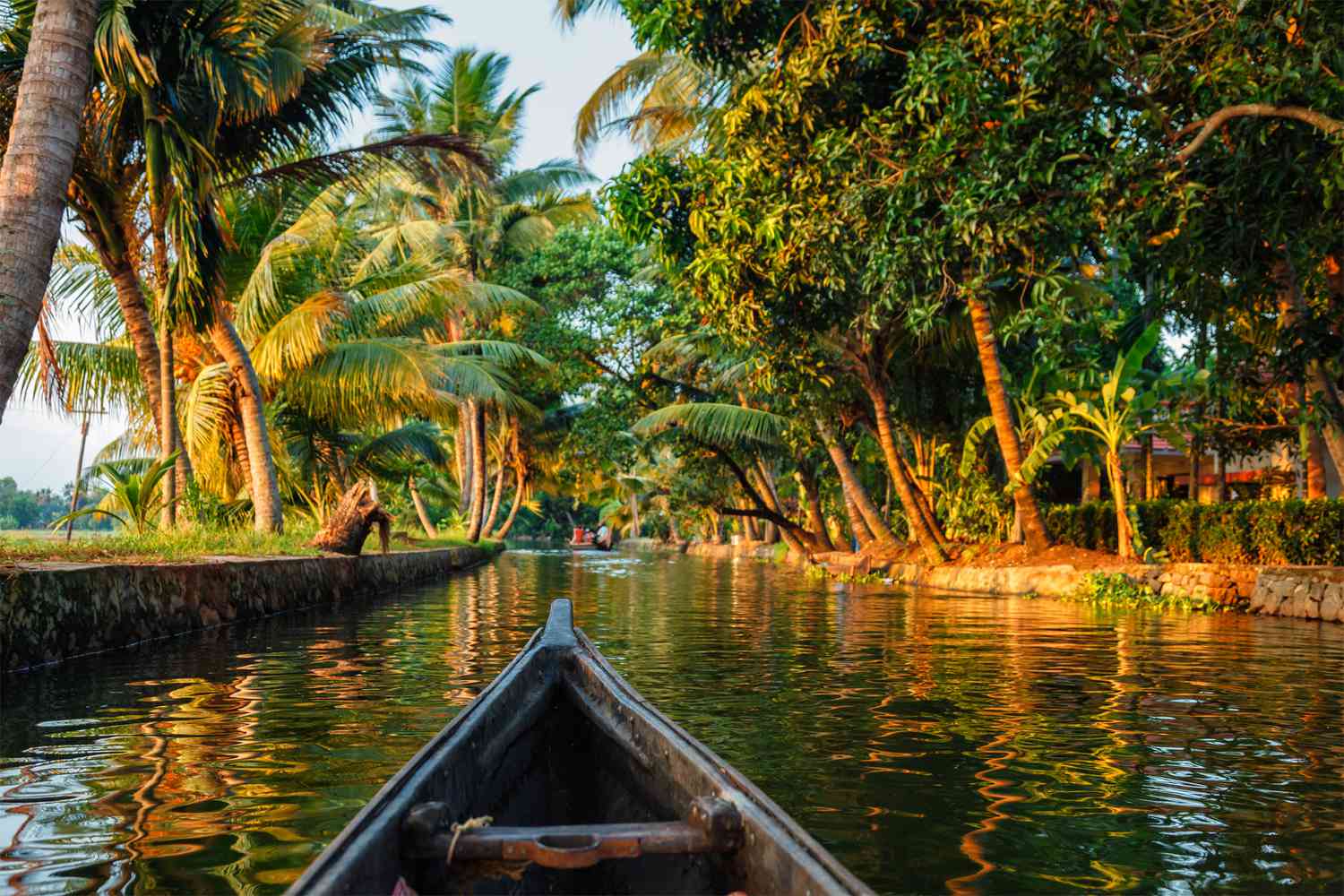
Kerala's spiritual geography transcends religious boundaries, with Hindu temples, Christian churches, Islamic mosques, and Buddhist sites coexisting peacefully in landscapes where water, vegetation, and community seem to conspire in creating sacred atmosphere independent of formal religious institutional structures. The Padmanabhaswamy Temple in Thiruvananthapuram, one of the world's wealthiest temples with treasures suggesting unimaginable opulence, represents Hindu devotional tradition's grandeur while raising questions about resource concentration in institutions versus community welfare. Christian churches scattered throughout Kerala, some established by Saint Thomas apostle according to tradition, represent Christianity's deep roots in the region predating European colonialism by 1,500 years, challenging Western assumptions about Christianity's primarily colonial introduction. The spiritual essence emerges most powerfully not through famous temples but through everyday rituals—morning prayers, festival preparations, water blessings—that weave spirituality through ordinary community life rather than confining it to designated institutional spaces. Walking through Kerala creates experiences of transcendence not through dramatic monuments but through accumulated sensory awareness—morning light filtering through coconut palms, rhythmic sounds of water, devotional chanting carried on breezes—creating spiritual consciousness that feels less intentional than inevitable.
Natural Abundance: Biodiversity, Water & Tropical Ecosystems
Kerala's lush landscape reflects the world's highest rainfall concentration in mountainous regions, creating the Western Ghats—biodiversity hotspots rivaling Amazon rainforest in species density per square kilometer—where ancient forests shelter elephants, tigers, leopards, and thousands of endemic species found nowhere on earth. The mountainous terrain creates constant water cascades, with hundreds of rivers originating in high elevations and descending toward the sea in dramatic waterfalls visible from unlikely vantage points, creating perpetual water music that becomes the region's soundtrack. The tropical climate generates vegetation so dense that interior regions remain perpetually dim, with ferns, mosses, orchids, and countless small creatures inhabiting microhabitats within larger forest systems, creating an ecosystem of extraordinary complexity. This natural abundance remains under constant threat from deforestation, dam construction, tourism development, and climate change, with awareness of these pressures adding urgency to conservation appreciation and responsible environmental behavior during travels.
Human Culture: Syncretic Traditions & Lived Pluralism
Kerala developed unique syncretism where Hindu, Christian, Muslim, and secular worldviews coexist not as competing ideologies but as interwoven elements of shared community identity, with individuals maintaining personal faith traditions while respecting neighbors' different beliefs through centuries of peaceful coexistence challenging India's increasingly polarized religious atmosphere. The literacy rate approaching 95% reflects historical commitment to education and knowledge, with communities valuing intellectual engagement, philosophical debate, and artistic expression as central to fulfilling human existence, contrasting sharply with utilitarian attitudes in other regions. Kathakali classical dance tradition, Ayurvedic medical systems, fishing techniques refined over millennia, and agricultural practices representing accumulated ecological knowledge constitute Kerala's cultural inheritance—living traditions maintained through active practice rather than museum preservation, continuously evolving while honoring ancestral wisdom. This cultural continuity, combined with natural abundance and spiritual depth, creates an almost palpable sense that Kerala represents humanity's possibility for sustainable, spiritually-rich, intellectually-vibrant existence harmoniously embedded within natural systems.

Contemporary Challenges: Sustainability & Future Threats
Despite its reputation as paradise, Kerala faces serious environmental and social challenges including rising sea levels threatening coastal populations and infrastructure, groundwater depletion despite abundant surface water, plastic pollution contaminating waterways, and rapid urbanization fragmenting communities. Tourism development, while economically beneficial, creates pressures on water systems, ecosystems, and communities, with uncontrolled expansion risking the very qualities that make Kerala exceptional—the balance between human habitation and natural preservation that shaped centuries of sustainable coexistence. Climate change creates particular vulnerability for Kerala, with increased rainfall intensity causing destructive flooding, altered monsoon patterns affecting agricultural production, and cyclone frequency increases threatening coastal communities, making climate resilience planning crucial for the region's future sustainability. Understanding these challenges transforms travel from escapist leisure into engaged learning about environmental pressures affecting tropical regions globally, with Kerala serving as microcosm revealing both human potential for sustainable living and persistent environmental threats threatening that possibility.
Unforgettable Moments: What Makes Kerala Transcendent
The unforgettable quality of Kerala emerges through accumulated small moments rather than dramatic highlights—watching sunrise over backwaters accompanied by fishermen's laughter, sharing meals with families along village waterways, hearing devotional songs carried on evening breezes from nearby temples, witnessing rice paddies transform into mirrors reflecting cloud-laden skies. These experiences create emotional resonance that transforms travel from external observation into internal transformation, with Kerala working on consciousness at levels resistant to rational explanation, leaving travelers permanently altered by the state's spiritual intensity and natural beauty. The feeling persists long after departure—sudden recollections of morning light, phantom scents of coconut and spices, remembered conversations with locals—suggesting Kerala imprints itself on human consciousness in ways transcending conventional tourism satisfaction. This transformative quality explains why visitors repeatedly return, often spending extended periods attempting to capture permanently what seemed to vanish upon departure, recognizing that Kerala's essence lies in the subtle, the sensory, the spiritual dimensions of experience rather than in dramatic landmarks or accomplishments.