Days 1-2: Delhi Deep Dive Beyond Red Fort Stereotypes
Rather than rushing through the Golden Triangle checklist, dedicate your Delhi time to understanding the city's layered history through Old Delhi's Chandni Chowk bazaar, where Mughal architecture stands adjacent to British colonial buildings, creating a palimpsest of India's complex past. Visit early morning at Jama Masjid, then wander through the narrow lanes sampling street food (jalebi-rabri and paranthe) at legendary vendors whose stalls have occupied the same spaces for 75+ years. Explore Chhatarpur Mandir and its surrounding affluent South Delhi neighborhoods to witness how different religious and socioeconomic communities inhabit the same city, each with distinct architectural styles and cultural practices. Include the Humayun's Tomb gardens for serene contemplation and stunning sunset photography, understanding how Mughal aesthetics influenced Indian architecture across centuries, with the site's profound influence visible in later structures like the Taj Mahal.
Days 3-4: Agra Beyond Taj Mahal—Layers of Imperial Grandeur
Visit Taj Mahal at sunrise before crowds arrive, timing your visit for optimal lighting and solitude; then spend the afternoon exploring Agra Fort's intricate inlay work and royal chambers where Mughal emperors ruled from positions of incomparable power. Understand the fort's strategic location overlooking the Yamuna River and the political calculations influencing its architectural decisions, moving beyond superficial appreciation toward genuine historical comprehension. Day four should include Fatehpur Sikri, the haunting abandoned capital 40 km away that Emperor Akbar built but abandoned due to water scarcity—walking through its perfectly preserved streets provides eerie intimacy with 16th-century royal life. Include the Panch Mahal (Palace of Winds) whose ingenious ventilation design predates modern air conditioning, revealing sophisticated engineering knowledge embedded in ancient architecture.
Days 5-7: Beyond Jaipur—Ranthambore, Chand Baori & Shekhawati Region
Rather than limiting Rajasthan exploration to Jaipur's pink city, drive 180 km toward Ranthambore National Park to experience tiger habitat and maharaja-era palaces converted into luxury hotels, providing glimpses into princely state grandeur. Include the stunning Chand Baori stepwell in Abhaneri village (1,200 years old), descending its 13 stories into an architectural marvel that combined water engineering with sculptural artistry in ways that astound modern engineers. The Shekhawati region's painted havelis in towns like Dundlod and Nawalgarh showcase a unique art tradition where 18th-century merchants commissioned frescoes depicting mythological scenes, foreign influences, and contemporary events—each haveli telling stories through visual narratives spread across multiple rooms. This extended approach transforms a typical three-destination tour into a comprehensive exploration of Rajasthan's architectural, natural, and cultural diversity.
Accommodation Choices: From Heritage Hotels to Village Homestays
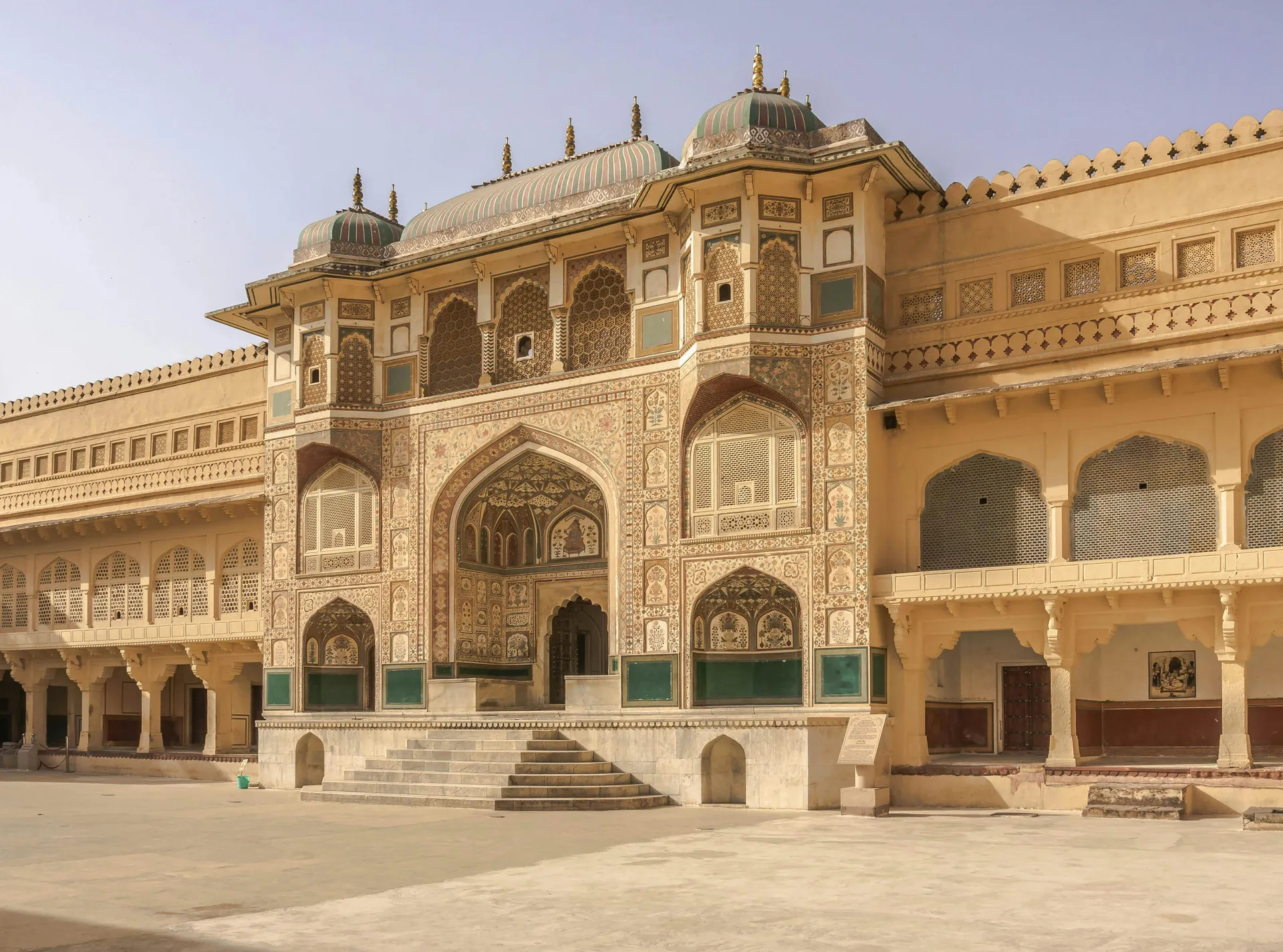
Heritage hotels in converted palaces and havelis offer experiences impossible elsewhere, with properties like Narain Niwas Palace in Delhi or Fairmont Jaipur providing luxury while preserving architectural heritage and employing local staff who understand regional customs intimately. For budget-conscious travelers, village homestays in Shekhawati or near Ranthambore provide authentic family experiences, home-cooked meals, and personal connections that create lasting memories beyond what commercial tourism offers. Mid-range boutique hotels in Agra and Jaipur combine comfort with character, often managed by families with deep local roots who share insider knowledge about hidden attractions and best times to visit popular sites. Booking directly with smaller properties often yields discounts while ensuring maximum economic benefit reaches local owners rather than international hotel chains.
Practical Logistics: Transportation, Weather & Cultural Considerations
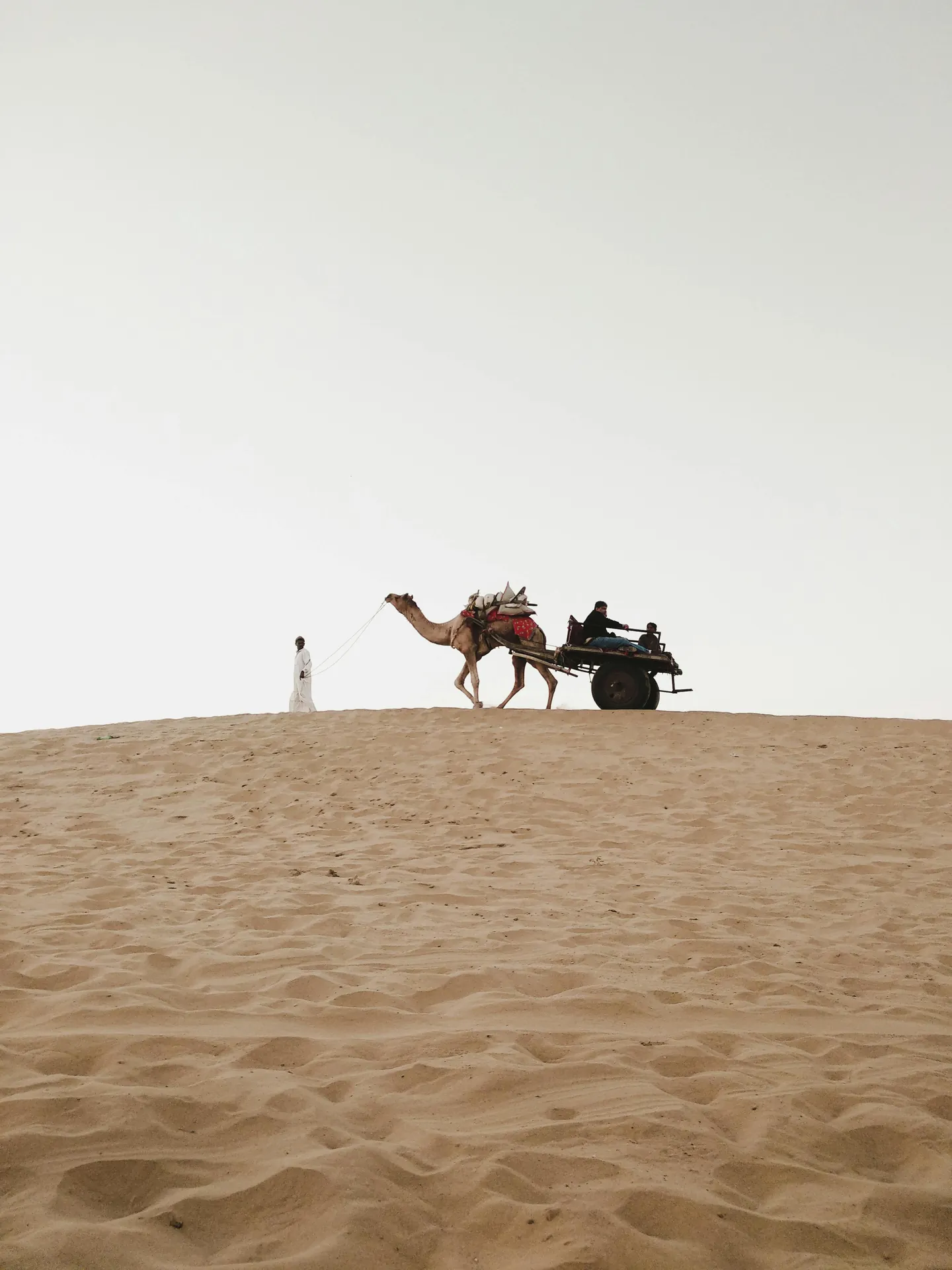
Hire a dedicated driver for the entire journey (costs 2,500-4,000 rupees daily) to navigate India's chaotic highways safely while providing insider commentary and flexibility to stop at unplanned discoveries unavailable through group tours. Visiting November through February provides ideal weather, clear skies for photography, and manageable temperatures without monsoon complications or brutal summer heat exceeding 45 degrees Celsius. Learn basic Hindi phrases, dress respectfully when visiting temples and sacred sites, and maintain flexibility in your itinerary—weather delays, traffic, and spontaneous attractions will inevitably alter plans, so rigidity undermines authentic travel experiences. Budget 60,000-100,000 rupees total per person for accommodation, food, transportation, and entrance fees, with careful planning enabling significant savings through advance bookings and local vendor relationships.