Oahu: Urban Energy, Historic Landmarks & Hawaiian Culture Alive
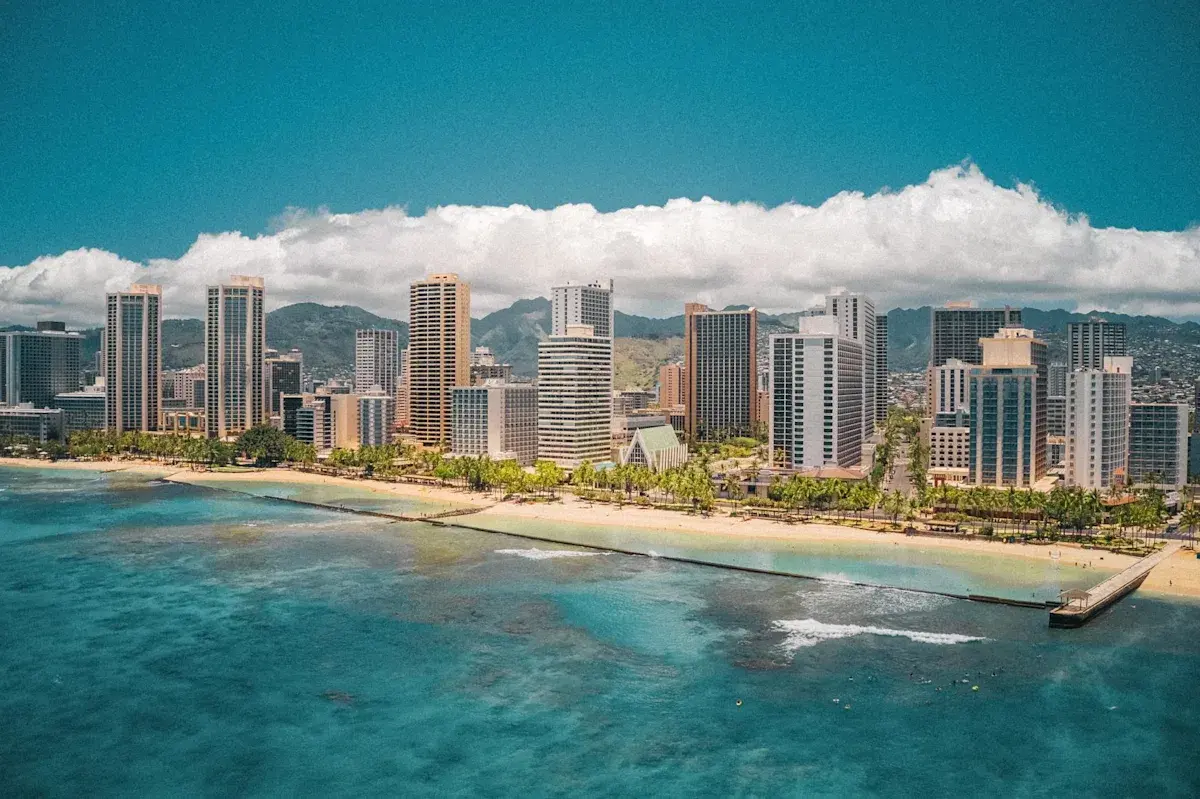
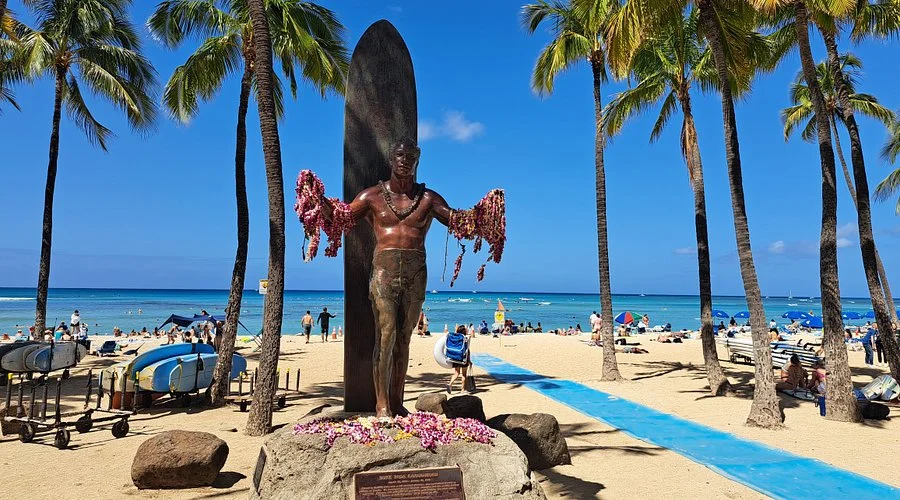
Oahu delivers the perfect Hawaiian introduction, balancing cosmopolitan energy with profound cultural significance and accessibility. Honolulu pulses with world-class dining, shopping, and entertainment impossible elsewhere in Hawaii, while maintaining authentic Hawaiian character. Pearl Harbor, anchored by the USS Arizona Memorial, stands as America's most visited historic site, demanding respectful contemplation of the 1,177 sailors entombed in the sunken battleship. The memorial experience, accessible by ferry, profoundly impacts most visitors. Iolani Palace, the only royal palace on US soil, reveals Hawaii's fascinating monarchy through guided tours of ornate rooms where Queen Lili'uokalani made her final stand against annexation. Waikiki's famous crescent beach, though crowded and touristy, offers safe swimming, rentable surfboards, and the vibrant energy of Hawaii's most commercial hub. The North Shore delivers authentic surf culture at Sunset Beach and Pipe Masters, where winter swells from November-March create massive waves attracting world champion surfers. Diamond Head's strenuous 30-minute hike ascends 760 meters through tunnels and switchbacks to summit views encompassing Waikiki, downtown Honolulu, and distant Diamond Head crater formation. Start hikes early to avoid intense afternoon sun and crowds. The Polynesian Cultural Center on windward Oahu recreates seven Pacific island cultures through interactive villages, though some travelers prefer authentic communities over theme park experiences.
Maui: Volcanic Landscapes, Scenic Roads & Exceptional Snorkeling
Maui captivates diverse travelers through remarkable landscape variety within a single island. Haleakalā National Park features the volcano crater that ancient Hawaiians believe holds the sun; driving the summit road ascends 3,055 meters in just 2 hours, climbing above cloud layers to otherworldly volcanic terrain with cinder cones resembling alien landscapes. The Road to Hana, a legendary twisty coastal drive, traverses 64 kilometers with 600+ curves through rainforests, past waterfalls, and along black sand beaches. The journey typically requires 8-10 hours including stops; experienced travelers spend full day on this drive, swimming in waterfall pools, sampling local fruit, and stopping at tiny roadside villages. Maui's resort areas split between Wailea on the sunny south shore with calm, transparent snorkeling-friendly waters, and Ka'anapali on the west coast with broader beaches and more active water sports. Lahaina, once Hawaii's capital, preserves royal history and hosts the massive Banyan Court, a 150-year-old tree covering an entire city block with its sprawling canopy. Molokini Crater, a crescent-shaped volcanic island 5 kilometers offshore, ranks among Earth's finest snorkeling destinations with 250+ fish species, giant sea turtles, and coral reefs accessible to swimmers of all abilities. Book boat tours early morning when water clarity peaks and marine life activity highest.
Kauai: The Garden Island's Dramatic Cliffs, Canyons & Wild Beauty
Kauai showcases Hawaii in its rawest, least-developed form, attracting travelers seeking authentic experiences over resort polish. The Na Pali Coast, formed by geological upheaval over millions of years, presents impossibly dramatic sea cliffs rising vertically 1,200 meters from the ocean, carved by erosion into jagged ridges draped in lush vegetation. Only accessible by boat, helicopter, or strenuous 22-kilometer coastal hiking trail, Na Pali remains genuinely remote and untamed. Waimea Canyon, carved by the Waimea River through red volcanic rock, stretches 16 kilometers long and 1,200 meters deep, resembling a miniature Grand Canyon with similarly stunning color palettes transitioning from red to purple at various elevations and lighting conditions. Multiple overlooks offer accessible viewpoints without strenuous hiking. Kīlauea Point National Wildlife Refuge protects endangered Hawaiian nene geese and seabirds including albatrosses, boobies, and frigatebirds, with cliffside trails revealing the island's volatile geological history visible in rock formations and crashing waves below. Kauai remains relatively undeveloped lacking major chain hotels or commercial sprawl, preserving spaces where genuine Hawaiian culture flourishes. This accessibility challenge rewards adventurous travelers with fewer tourists and more authentic encounters with local communities, traditional practices, and untamed nature.
Big Island: Volcanic Creation, Extreme Elevation & Diverse Microclimates
Hawaii's Big Island, the archipelago's youngest at roughly 400,000 years old, showcases Earth's ongoing volcanic creation in real time. Hawai'i Volcanoes National Park covers 4,270 square kilometers protecting volcanic landscapes shaped by Kīlauea and Kohala volcanoes. The park features crater overlooks, cinder cones, lava tubes to explore, and 240 kilometers of hiking trails ranging from casual walks to multi-day backpacking expeditions. During active volcanic periods, lava glows visible at night from Crater Rim Trail, though eruption status changes frequently and park access varies accordingly. Mauna Kea, measured from ocean floor base to summit, ranks as Earth's tallest mountain at 10,203 meters (though only 4,207 meters above sea level), hosting the world's largest concentration of observatories. The summit road reaches the mountain top; visitors experience extreme altitude effects, thin air, and otherworldly terrain resembling Mars. The Mauna Kea Access Road remains controversial among Native Hawaiians viewing the mountain as sacred; research current access policies and respect any closures protecting both spiritual significance and safety. The Big Island's microclimates create striking contrasts: the wet windward side near Hilo receives 3,000+ millimeters annual rainfall, nurturing lush rainforests; the dry leeward coast near Kona bakes under desert-like conditions, creating alternating landscapes accessible within an hour's drive. Kona's calm, clear waters provide exceptional snorkeling at Kealakekua Bay where Captain Cook met his end and manta rays gather during specific seasons. Punalu'u Black Sand Beach, formed from lava fragments, hosts endangered green sea turtles basking on the shore. The Big Island's 2,000+ kilometers of coastline offers more beaches and snorkeling opportunities than other Hawaiian islands combined.
Inter-Island Exploration, Strategic Sequencing & Practical Logistics
Inter-island flights via Hawaiian Airlines, Southwest, and Mokulele Airlines run 30-50 minutes between major islands, making multi-island itineraries feasible for week-long vacations. Strategic sequencing maximizes experiences: begin on Oahu to adjust to island time and experience Hawaiian culture comprehensively, then fly to neighbor islands for natural attractions and relaxation. Most travelers combine 2-3 islands in 7-10 day trips rather than attempting all four, avoiding exhaustion from constant transitions. Each inter-island flight costs $100-250 round-trip if booked in advance; last-minute pricing doubles. Car rentals on each island provide essential independence, though fuel costs run 20-30% higher than mainland US prices. Driving times deceive visitors: islands appear geographically small but mountainous terrain, narrow roads, and tourist traffic extend travel significantly. Allow extra time for navigation and unexpected delays. Accommodations vary dramatically between islands: Oahu and Maui offer resort abundance with corresponding higher prices; Kauai and Big Island provide more modest lodging requiring earlier booking for peak season availability. Plan approximately 3-4 days per island to experience major attractions without excessive rushing; longer stays allow deeper cultural immersion and relaxation critical to genuinely enjoying Hawaiian vacation experiences.