Strategic Island Selection & Timing for Unforgettable Experiences
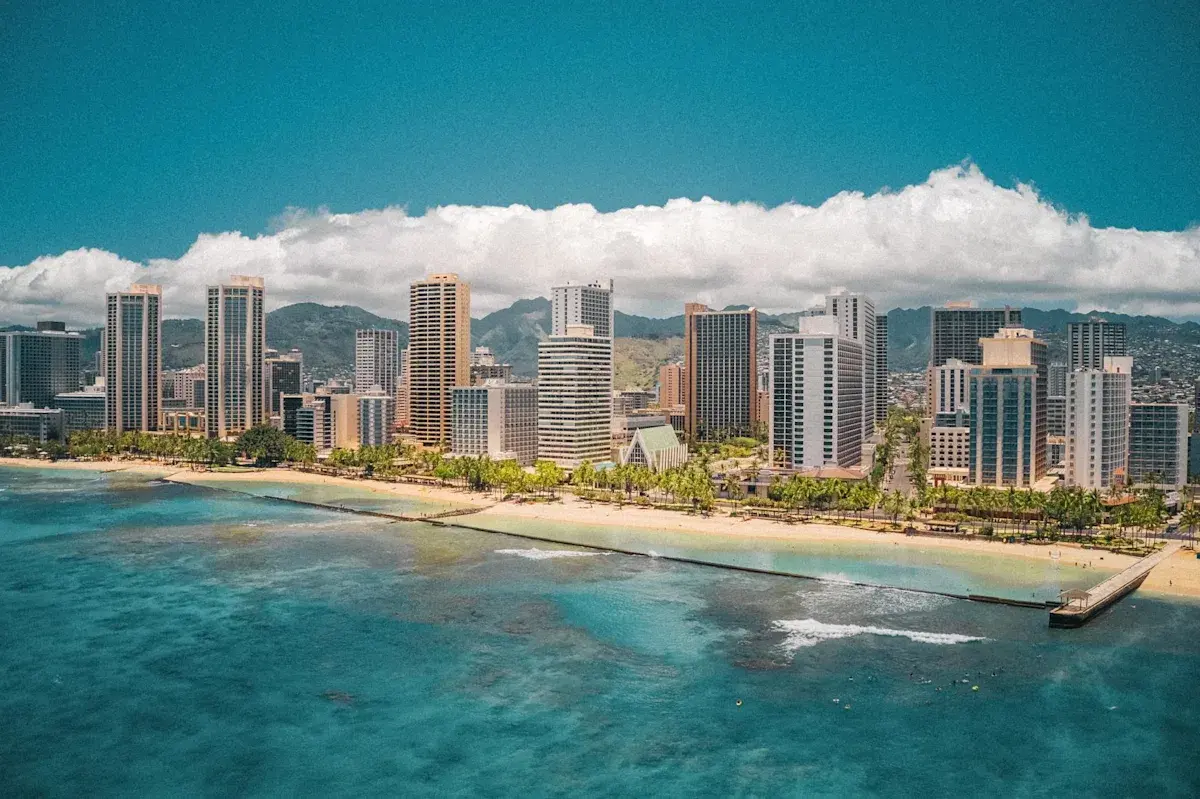
The Hawaiian archipelago offers six major islands, each with distinct personality and purpose. Oahu, home to Honolulu and Waikiki, provides the most comprehensive first-time experience with world-class museums, historical Pearl Harbor, vibrant nightlife, and diverse dining. Maui balances accessibility with resort luxury and natural wonders like the Road to Hana and Haleakala crater. The Big Island showcases dramatic contrasts: from the lush Kona coast to active volcanoes and pristine black sand beaches. Kauai offers untamed natural beauty with the awe-inspiring Na Pali Coast and verdant valleys, ideal for adventurers seeking fewer crowds. Molokai and Lanai provide intimate, off-the-beaten-path experiences for travelers wanting genuine local culture. Timing matters profoundly: the dry season (May-September) delivers sunny days perfect for snorkeling and hiking, though expect peak tourism and premium pricing. The wet season (November-March) brings lush green landscapes, fewer visitors, and better deals, with rain typically falling in brief bursts. Book accommodations 8-12 weeks in advance for December-March peak season to secure preferred properties and rates. Consider shoulder months (April-May, September-October) for the sweet spot of excellent weather with manageable crowds and moderate pricing.
Volcanic Safety, Sacred Respect & Proper Park Navigation
Hawaii's living geology makes it a geologist's paradise, but demands cautious respect. Hawai'i Volcanoes National Park on the Big Island presents breathtaking volcanic landscapes where conditions transform rapidly—closures occur without notice to protect visitors from sudden geological changes and dangerous vog (volcanic smog). Follow all ranger guidance meticulously; areas marked closed endanger lives. Never approach visible lava flows or venture beyond marked trails regardless of temptation—authorities conduct rescues regularly from visitors who ignored warnings. The crater rim at 4,207 meters elevation requires acclimatization; spend your first day at moderate elevation, ascend slowly, maintain hydration, and avoid strenuous activity for 24 hours to prevent altitude sickness and oxygen deprivation headaches. Mauna Kea, the world's tallest volcano measured from base, offers stargazing at its summit observatory. However, many Native Hawaiians consider it sacred. Research current access policies and respect closures that protect both the mountain's spiritual significance and visitor safety. Pack layers—summit temperatures plunge dramatically below base temperatures, and conditions change unexpectedly.
Cultural Sensitivity & Honoring Hawaiian Traditions
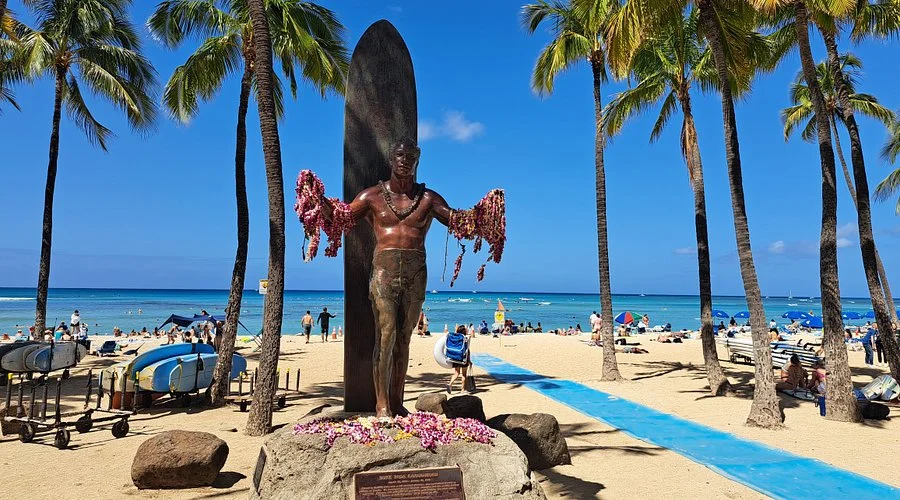
Respectful tourism enriches both visitor and community; disrespect creates resentment and genuine harm. Remove shoes upon entering homes, many establishments, and all heiau (ancient Hawaiian temples), demonstrating reverence for sacred space. These temple sites contain the spiritual essence of Hawaiian ancestors; treat them as you would a cemetery in your home country. Photography at heiau requires permission from site guardians, often Hawaiian families maintaining these spaces. Never touch tiki statues, carved wooden figures, or artifacts—some remain spiritually charged, and oils from hands cause deterioration. The hula, Hawaii's most famous cultural expression, originated as prayer and storytelling, not entertainment; watch performances with the solemnity of witnessing someone's sacred practice rather than a show. Ask explicit permission before photographing people, particularly during ceremonies or in candid moments. The lei lei, the iconic garland greeting, carries deep significance—if offered a lei, wear it respectfully and never remove it in public as an insult to the giver. Learn basic Hawaiian phrases (mahalo for thank you, aloha for hello/goodbye) and use them genuinely, not performatively. Supporting local Hawaiian-owned businesses—restaurants, artisan shops, cultural centers—ensures your money directly benefits the communities you visit rather than distant corporations extracting island wealth.
Marine Life Protection & Ocean Safety Excellence
Hawaii's marine ecosystems rank among Earth's most pristine and precious. The endangered Hawaiian green sea turtles, though appearing placid and approachable, experience significant stress from human proximity and can bite if startled. Federal law mandates maintaining at least 3 meters (approximately 10 feet) distance; violators face substantial fines and contribute to population decline through cumulative stress. Monk seals, adorable and rare, require even more distance—at least 150 meters—and visitors photographing them from closer distances face legal penalties. Never feed marine life, including fish during snorkeling; artificial food disrupts natural feeding behaviors and creates dangerous habituation. Respect all beach warning signs without exception: purple flags indicate dangerous marine life presence (box jellyfish, sea urchins); red flags signal strong currents; black flags mean beach closure. Shorebreaks—powerful waves breaking in shallow water—prove deceptively dangerous, breaking necks and spines of experienced swimmers annually. Rip currents, powerful narrow currents flowing seaward, require specific escape technique: swim parallel to shore, never against the current directly. Wear reef-safe sunscreen (avoiding oxybenzone and octinoxate chemicals that bleach and kill coral) and apply generously 15 minutes before water exposure. This small choice protects ecosystems supporting thousands of species while keeping your skin protected.
Inter-Island Travel & Practical Transportation Strategies
While dream of island-hopping appeals to all visitors, logistics require advance planning. Inter-island flights via Hawaiian Airlines and Southwest typically run 30-50 minutes; book 4-6 weeks ahead for peak seasons to access better fares and flight times. Arriving excessively early at island airports (smaller than Oahu's hub) creates frustrating waits; plan 90 minutes early for inter-island flights. Car rentals on each island provide essential independence—public transportation remains minimal outside Honolulu, and many natural wonders require private vehicle access. Book rental cars in advance during peak season; daily rates surge $100+ above standard pricing if booked last-minute. Download offline maps (Google Maps offline feature works well) as cellular coverage disappears entirely in many areas; this prevents dangerous situations where navigation fails in remote locations. Bring an international power adapter for device charging and a portable battery pack for extended outdoor days. While Hawaii feels close to mainland US, it's genuinely remote—forgotten items like prescription medications, specific toiletries, or chargers are expensive or unavailable. Pack reef-safe sunscreen in bulk; store-bought options cost 3-4x mainland prices, and your supply must last your entire stay. Allow extra buffer time between connections; weather-related flight delays are common, and stress compounds with unfamiliar terrain navigation pressure.