The Aloha Spirit: Ancient Philosophy in Modern Hearts
Aloha transcends the casual "hello" tourists learn; it embodies a comprehensive worldview emphasizing compassion, respect, generosity, and genuine connection that permeates Hawaiian culture profoundly. The word breaks into "alo" (sharing) and "ha" (breath/life force), literally meaning to share the breath of life. This spiritual approach shapes social interactions, environmental relationships, and daily conduct across the islands. Visitors who embrace aloha genuinely find themselves welcomed as honored guests rather than commercial transactions, experiencing transformative encounters where locals share stories, knowledge, and aloha openly. The concept extends beyond people to land stewardship: Hawaiians historically harvested sustainably, replanting taro, fishing responsibly, and treating nature as living ancestor rather than resource. This reciprocal relationship with 'āina (land) remains central to Hawaiian identity despite centuries of colonial pressure imposing extractive economics. Modern Hawaii witnesses revival movements where younger generations reclaim aloha philosophy as antidote to capitalism's alienation, rebuilding community connection and cultural pride. Experiencing genuine aloha during Hawaii vacation—whether through farmer's market conversations with kupuna (elders) sharing family stories, or spontaneous hospitality from strangers—touches visitors' souls in ways five-star resorts cannot replicate, explaining Hawaii's magnetic pull on repeat visitors.
Sacred Hula: Ancient Storytelling Through Movement & Living Traditions
Hula kaholo, the oldest hula form, tells stories through deliberate hand gestures and hip movements, each gesture carrying specific meaning rooted in Hawaiian language and natural observation. A dancer's hand tracing waves isn't artistic flourish but precise communication, moving like actual ocean swells. The kaholo hula movements reference the breadfruit tree's motion in wind; mele (songs) accompany hula, lyrics narrating genealogies, romantic love, natural phenomena, and historical events across generations. For centuries, hula transmission occurred orally through kumu hula (hula masters), with no written notation, placing tremendous cultural responsibility on dancers remembering exact movements and meanings. When Queen Kapi'olani banned hula in the 1830s viewing it as pagan, the art form nearly vanished; modern cultural practitioners restored hula through archaeological knowledge and living memory. Contemporary hula encompasses ancient and modern forms, performed at major events like Merrie Monarch Festival where competing halau hula (hula schools) showcase incredible precision and artistry. Sacred hula kaholo differs profoundly from hotel luau entertainment where tourists sip mai tais watching performances; genuine kaholo demands performers undergo spiritual preparation and respect ancestral knowledge transferred through masters. Attending performances by respected halau hula rather than resort versions connects visitors to living tradition, witnessing Hawaiian women and men perpetuating cultural transmission as sacred responsibility rather than commercial entertainment.
Language Revival, Heiau Pilgrimage & Cultural Renaissance
'Ōlelo Hawai'i (Hawaiian language) nearly disappeared after contact; by 1990s, fewer than 2,000 fluent speakers remained among mostly elderly kupuna. The Hawai'i State Legislature declared Hawaiian and English official languages in 1978, sparking revival movements. Papakilo Database, Aha Punana Leo preschools, and university Hawaiian language programs now produce new fluent speakers, with immersion education creating generations reclaiming ancestral tongue. Learning basic Hawaiian phrases—mahalo (gratitude), 'ohana (family), mālama (care), pono (righteousness/balance)—demonstrates respect and participates in language revival efforts. Heiau, ancient stone temples built without mortar, dot Hawaiian islands marking sacred geography where Hawaiians performed makahiki (harvest festivals), mourning rituals, and spiritual practices. Visiting heiau requires reverent approach: remove shoes, observe silence, observe any kapu (sacred restrictions), and consider hiring Hawaiian guides who explain historical and spiritual significance. Places like Pu'uhonua o Honaunau, a national historical park, preserved heiau where kapu breakers historically sought refuge; walking these grounds where ancestors prayed and lived connects visitors to spiritual power emanating from sacred sites. Modern Hawaiian cultural renaissance witnesses increased hula performance, oli (chanting) traditions, Hawaiian language usage in daily life, and community ceremonies previously suppressed through colonialism. This cultural vitality attracts visitors seeking authentic spiritual experience beyond commercial tourism.
Farm-to-Table Movement, Local Agriculture & Sustainable Island Living
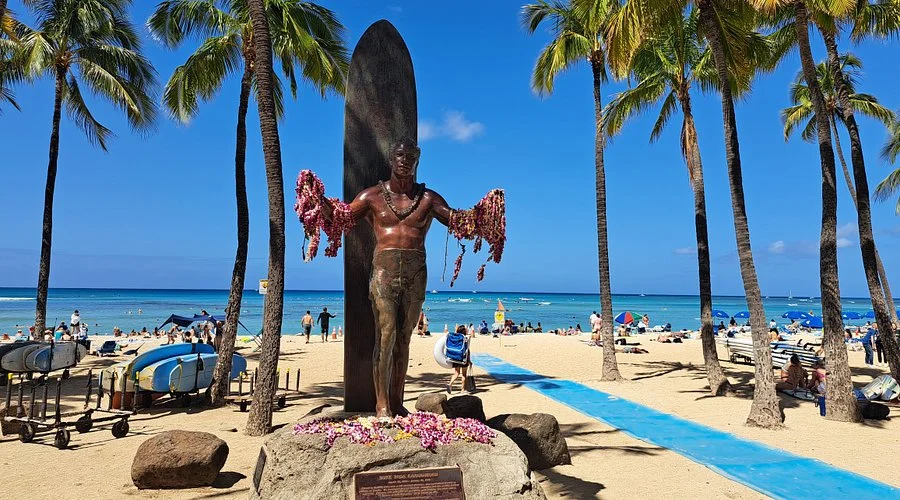
Hawaii's contemporary food culture increasingly celebrates 'āina-based agriculture honoring Hawaiian agricultural traditions while supporting modern sustainability. Pre-contact Hawaiian islands produced abundant food through sophisticated ahupua'a systems: water management, taro lo'i (wetland gardens), fishponds, and upland agriculture created thriving populations without external supply chains. Modern farm-to-table restaurants throughout islands source from small farms growing Hawaiian varieties including 'uala (sweet potatoes), fava beans, avocados, and tropical fruits. Farmers markets in Honolulu, Lahaina, Hilo, and Kapa'a offer direct connections with farmers, allowing visitors to taste flavors impossible to replicate elsewhere—white chocolate macadamia nuts, lilikoi (passion fruit), local honey, and fresh 'ahi. Supporting these markets over resort dining ensures agricultural workers earn fair wages and farming communities persist against urban development pressures. Visiting working taro farms, fishpond demonstrations, and lo'i gardens educates visitors about Hawaiian food systems while supporting cultural preservation. Restaurants like Kona Brewing Company, Ala Moana, and smaller establishments highlighting Hawaiian ingredients with respect demonstrate how modern Hawaii reconciles culinary innovation with ancestral food traditions. Participating in this farm-direct food culture—whether shopping at markets, dining at local establishments, or requesting Hawaiian-sourced menus—contributes to local food security, agricultural employment, and cultural continuity. The lei (garland) tradition similarly connects to island plants and flowers; purchasing lei directly from makers rather than grocery stores ensures artisans receive fair compensation for their craft.
Sacred Sites, Respectful Pilgrimage & Supporting Cultural Protection
Hawaii's landscape carries spiritual significance accumulated across centuries of Hawaiian habitation, with mountains, valleys, coastlines, and seashores holding creation stories, ancestral presence, and mana (spiritual power). Visiting sacred sites with intentional respect—viewing them as pilgrimages rather than tourist checkpoints—honors indigenous relationships with land and allows deeper spiritual appreciation. Mauna Kea's significance extends beyond geology; Native Hawaiians view it as birthplace of the Hawaiian islands, home of sky father Wakea, deserving reverence equivalent to Jerusalem or Mount Sinai. Similarly, Crater Rim at Hawai'i Volcanoes National Park represents Pele, goddess of volcanoes, whose power visitors witness in geological formations and volcanic energy. Guides who share these stories with passion illuminate Hawaii's spiritual heart, explaining why certain areas remain kapu (sacred/forbidden), why rock collections desecrate spiritual sites, and why photography restrictions protect sacred practice. Many visitors report profound spiritual experiences at heiau, crater rims, and natural vistas when approaching with open heart and respectful consciousness. Supporting Hawaiian cultural organizations, donating to land conservation efforts protecting sacred sites, and advocating for Native Hawaiian sovereignty ensures contemporary Hawaiians maintain authority over their spiritual geography. Organizations like Hui Hōkū, the Office of Hawaiian Affairs, and local land trusts work tirelessly protecting islands from exploitation; visitor support strengthens these protections while honoring Hawaiian stewardship philosophies extending back centuries.