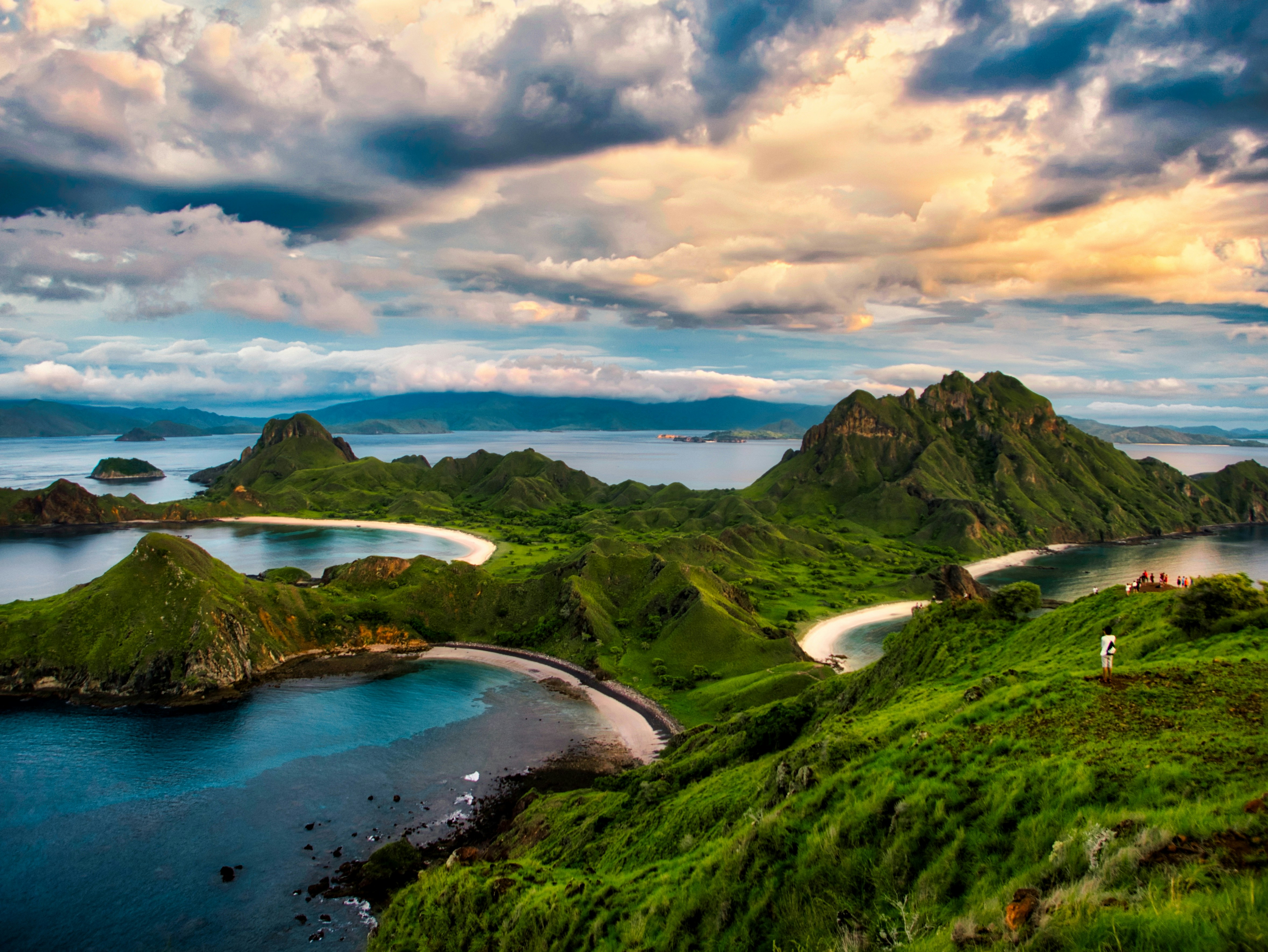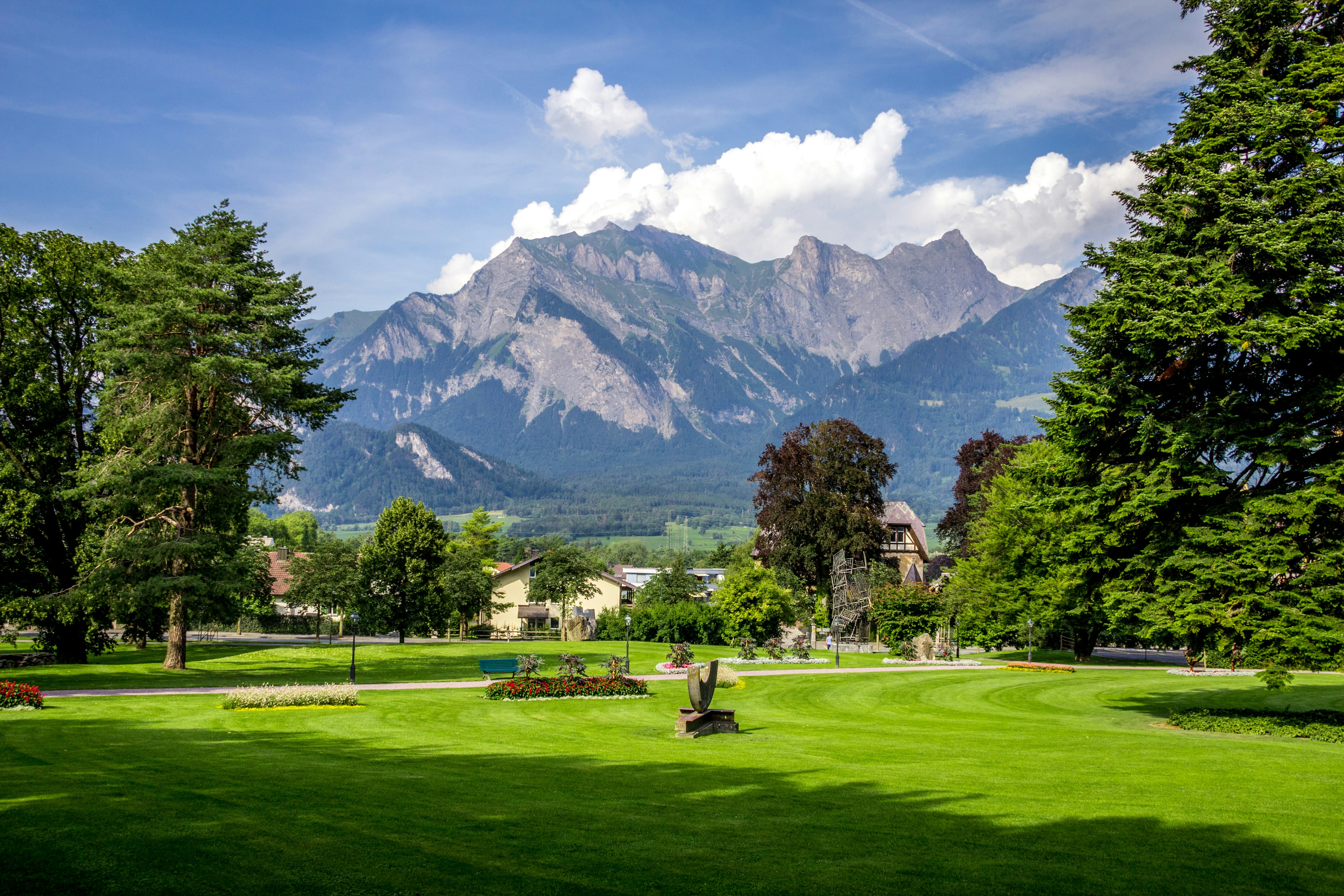
Day 1: Srinagar's Dal Lake & Houseboats—Floating Paradise
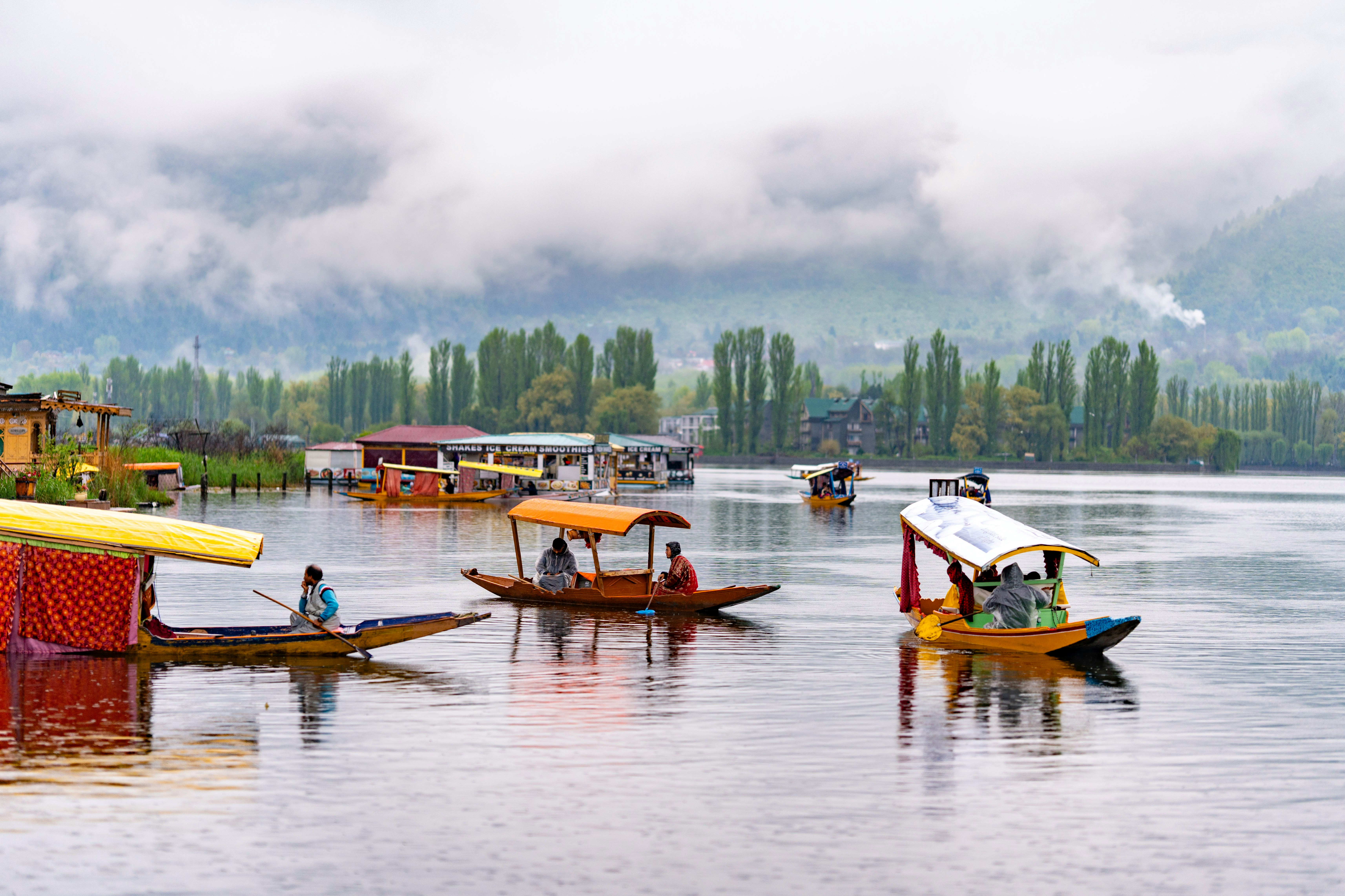
Arrive in Srinagar and settle into a traditional houseboat on Dal Lake, experiencing the unique culture where water functions as primary transportation and homes float on wooden vessels. Morning shikara (small boat) rides through lagoons reveal a vanishing world—floating gardens where vegetables are cultivated on water, traditional fishing communities practicing century-old techniques, and housewives engaging in daily aquatic commerce. Visit the Floating Vegetable Market (Dood Pathri) early morning when farmers arrive by boat selling produce from floating gardens, creating surreal scenes where commerce occurs on water rather than land. Afternoon visits to Shalimar Bagh and Nishat Bagh (Mughal gardens) showcase Kashmiri horticultural traditions and architectural grandeur reflecting emperors' aesthetic vision, with gardens designed as earthly paradises through intricate water systems, terraced landscaping, and seasonal flower displays.
Day 2-3: Pahalgam—Meadows, River Walks & Himalayan Trekking
Travel to Pahalgam, a charming hill station 96 kilometers from Srinagar, offering extensive trekking opportunities and serene meadow landscapes contrasting with Srinagar's busy water culture. Trek to Aru Valley through rhododendron forests (May-June blooms create spectacular pink meadows), with moderate difficulty trails suitable for most fitness levels and rewarding views of surrounding Himalayan peaks. The Lidder River Walk provides gentle riverside trekking accessible to casual hikers, with trails following pristine waters through dense forests where bird-watching, wildlife observation, and botanical interest create educational dimensions to physical activity. Spend evenings in Pahalgam's peaceful town, visiting local markets and restaurants frequented by Kashmiri families rather than tourist establishments, experiencing authentic community life beyond organized tourism circuits.
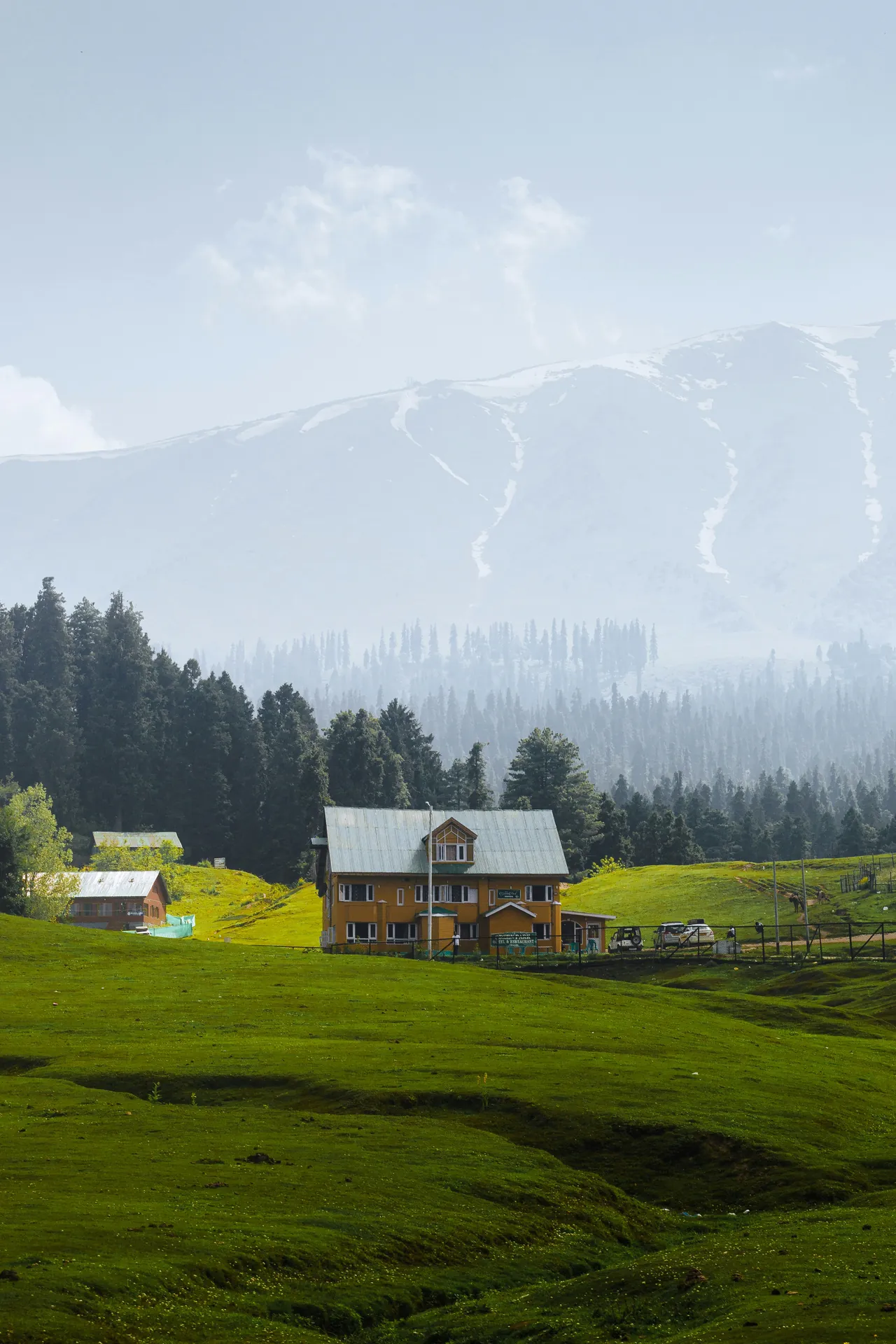
Day 4-5: Gulmarg—Skiing, Meadows & Alpine Scenery
Drive to Gulmarg, a high-altitude meadow (2,650m elevation) famous for winter skiing and summer wildflower displays, with the Gondola cable car providing easy ascent to higher elevations (3,200m) offering panoramic mountain views. During summer months (June-September), Gulmarg transforms into verdant meadow carpeted with wildflowers (daisies, buttercups, lupines), creating picturesque landscapes ideal for photography and contemplative walks. Visit Strawberry Valley for trekking through subalpine forests, or ride horses to hidden meadows known to locals but unmarked on standard maps, discovering secluded beauty beyond mainstream tourism sites. The Gulmarg Gondola's upper station provides access to high-altitude hiking trails with views extending to Nanga Parbat and surrounding Himalayan massifs, creating perspectives revealing Kashmir's mountainous grandeur often obscured by valley-level observations.
Food & Cultural Experiences: Kashmiri Cuisine & Community Engagement
Wazwan, Kashmir's renowned culinary tradition, represents centuries of refined cooking combining Persian, Mughal, and local influences creating flavor profiles impossible to replicate outside the region. Sample iconic dishes—rista (meatballs in yogurt-based curry), rogan josh (aromatic meat preparation), yakhni (broth-based dishes)—at family-run restaurants in Srinagar and hill stations, understanding the slow-cooking techniques and spice combinations that elevate meat preparation. Participate in cooking demonstrations with local families during Ramadan or other cultural periods, learning preparation techniques while developing meaningful personal connections transcending commercial tourism. Visit local markets—particularly Lal Chowk in Srinagar—experiencing authentic bazaar culture where vendors negotiate prices, display seasonal produce, and conduct genuine commerce serving community needs rather than tourist convenience.
Security Considerations & Respectful Travel
Kashmir's tourism resumed following security improvements, yet political tensions remain relevant to contemporary context; traveling with awareness of local perspectives on governance and security promotes respectful engagement beyond naive tourism. Dress conservatively (full-length pants, covered shoulders) respecting local cultural norms, particularly in smaller towns and religious sites where revealing clothing marks you as culturally insensitive. Avoid photographing military personnel, checkpoints, or security infrastructure which remain sensitive in a region with complex geopolitical dynamics; always request permission before photographing people, particularly women. Engage with Kashmiri people authentically—discussing current situations, listening to local perspectives, and acknowledging that tourism's resumption represents fragile economic recovery requiring visitor sensitivity and respectful behavior that prioritizes community wellbeing over personal entertainment.