Nairobi: Urban Gateway & Cultural Hub
Nairobi, East Africa's cosmopolitan capital, combines modern city amenities with developing world realities—contemporary office towers coexist with informal settlements, international restaurants flourish alongside street food vendors, and safety concerns require vigilance in certain neighborhoods. The David Sheldrick Wildlife Trust, operating from Nairobi base, rescues orphaned elephants, maintains breeding programs, and educates global audiences about conservation—visiting these rehabilitation centers provides profound interactions with wildlife receiving dedicated protection and care. The Giraffe Centre allows close encounters with endangered Rothschild's giraffes in urban sanctuary, demonstrating how conservation projects integrate within city environments.
The Karen Blixen Museum, housed in the author's former residence, preserves "Out of Africa" legacy while providing Nairobi historical context. The National Museum showcases Kenyan natural history, cultural artifacts, and paleontological discoveries. Nairobi's restaurant scene provides excellent Kenyan cuisine (nyama choma—grilled meat, ugali—corn staple, sukuma wiki—leafy greens) alongside international options. The city's energy, vibrant markets, and cultural institutions merit 2-3 days exploration before safari departures.
Safety in Nairobi requires street awareness, particularly in certain neighborhoods after dark; sticking to established tourist areas and avoiding displays of wealth prevents complications. Public transport (matatus—shared minibuses, taxis) provides affordable transportation though navigating local routes challenges newcomers; official taxi apps provide safer alternatives for uncertain travelers.
Masai Mara: Africa's Greatest Wildlife Spectacle
Masai Mara National Reserve, approximately 270 kilometers from Nairobi, hosts Africa's most concentrated wildlife populations and planet's most spectacular animal migration (July-October). The Great Migration—1.5 million wildebeest and zebras traversing savanna seeking seasonal grazing—creates natural phenomenon unmatched globally. Witnessing predator-prey interactions, observing hunting sequences, and experiencing savanna ecosystem's raw reality transforms understanding of nature's mechanisms and animal behavior.
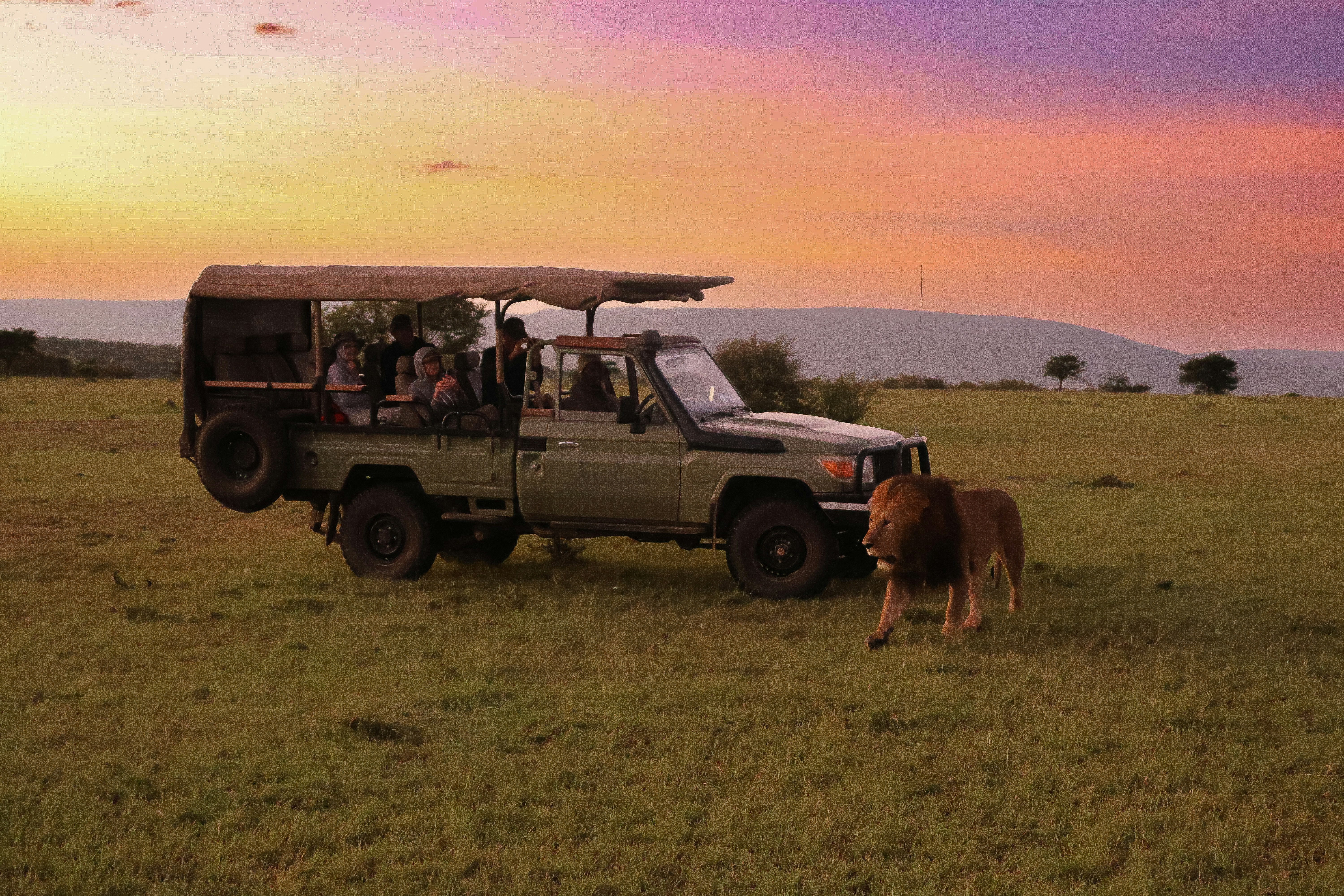
Game drives, typically dawn and dusk excursions with experienced guides, permit close wildlife observation from vehicles. Professional guides recognize animal signs, predict predator movements, and share ecological knowledge deepening appreciation for wildlife and conservation. Photographing animals requires patience, appropriate lens lengths, and understanding that animals' wellbeing supersedes photo opportunities—maintaining distance prevents stress to wildlife and reduces accident risks.
Accommodation ranges from budget tented camps (sharing communal facilities) to luxury lodges (private bathrooms, gourmet meals, spacious tents). The authentic safari experience—falling asleep to hyena calls, waking to bird choruses, moving through landscape alongside dangerous wildlife—creates profound connections to nature and primal human experiences. A 3-4 day Masai Mara visit permits multiple game drives, reasonable wildlife encounter probabilities, and necessary rest after intensive safari experiences.
Amboseli & Kilimanjaro: Mountain Wildlife
Amboseli National Park, located in southern Kenya near Tanzania border, provides Kilimanjaro mountain vistas and elephant concentrations particularly impressive during dry seasons. The park's seasonal swamps attract wildlife; elephant herds, buffalo, and predators concentrate around remaining water sources. The unique ecosystem—dry plains with water sources supporting abundant wildlife despite arid appearance—demonstrates adaptation mechanisms sustaining life in harsh environments.
Mount Kilimanjaro, Tanzania's highest peak visible from Amboseli, dominates landscape psychology. While Kilimanjaro trekking requires 5-7 days and significant physical exertion, observing the mountain from distance permits appreciation without climbing commitment. A 2-3 day Amboseli visit, often combined with longer Kenya safari itineraries, provides wildlife experience and mountain scenery balanced with reasonable time commitment.
A comprehensive Kenya safari (10-14 days) combines Nairobi (2-3 days), Masai Mara (3-4 days), and Amboseli (2-3 days), with travel days and acclimatization time incorporated. Shorter 5-7 day safaris focus on Masai Mara combined with brief Nairobi time, while extended trips include northern reserves (Samburu, Buffalo Springs) or southern parks (Tsavo, Kilimanjaro alternatives).
Wildlife Conservation: Supporting Sustainability
Kenya's wildlife represents global heritage worth protecting; supporting conservation through tourism revenue provides economic incentive for protection. Visiting national parks where fees support conservation, hiring local guides whose employment depends on wildlife preservation, and choosing responsible operators minimizing environmental impact contribute to sustainable tourism. Understanding that wildlife populations face pressures from poaching, habitat loss, and human encroachment contextualizes conservation urgency.
Maasai Culture: Indigenous Heritage in Contemporary Context
The Maasai people inhabit regions surrounding Masai Mara, maintaining pastoralist traditions for centuries. Modern Maasai balance traditional practices with contemporary opportunities—some remain pastoral herders, others work as guides or hospitality professionals, and many pursue education and urban careers. Visiting Maasai communities (if accessible through responsible operators) permits cultural learning and economic benefit to indigenous populations traditionally inhabiting safari regions.