Wildlife Photography: Ethical Practices & Technical Skills
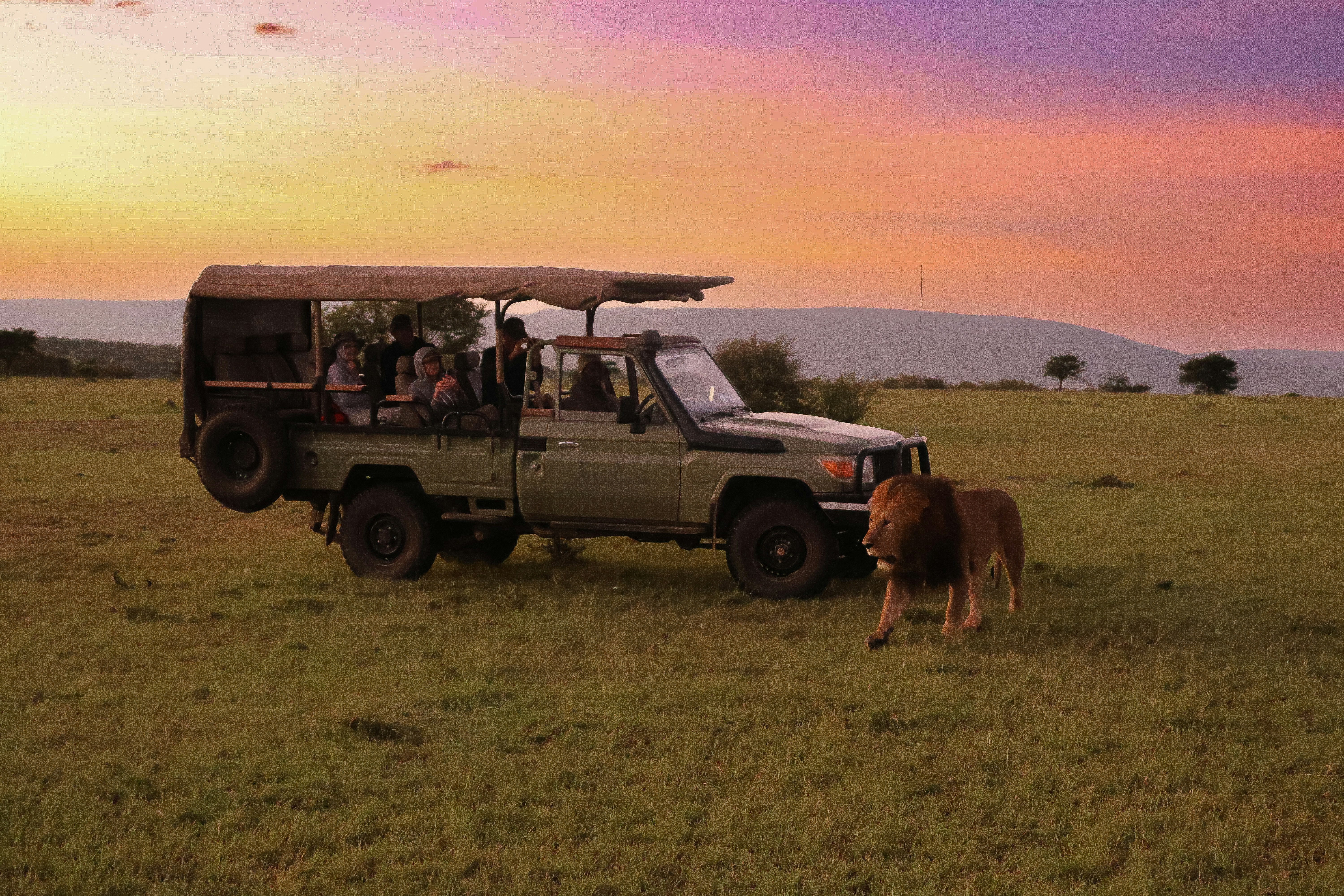
Safari photography requires balancing visual documentation ambitions with ethical wildlife interaction—animals' wellbeing supersedes photo opportunities. Maintaining safe distances (guides enforce minimum distances protecting both tourists and animals), avoiding sudden movements or loud noises that stress wildlife, and prioritizing observation over photography captures genuine behavior. Using appropriate telephoto lenses (200mm+) permits distant photography; attempting close approaches without sufficient lens length forces compromises between distance and frame composition.
Technical photography knowledge enhances results—understanding exposure compensation for bright savanna environments, utilizing fast shutter speeds capturing action, and employing fast apertures isolating subjects from backgrounds produces professional-quality images. Early morning and late afternoon light (golden hour) provides warm tones and directional shadows enhancing image quality compared to harsh midday overhead light. Patience, attempting hundreds of shots to capture few compelling images, remains essential for quality wildlife photography.
Sharing responsibility—photographing primarily for personal memory rather than social media obsession—prevents the selfie-seeking behavior degrading wildlife experience for others. Establishing internal discipline about photo limits permits genuine observation without constant camera mediation of experience. Reviewing photos after safaris reveals that most compelling images often coincide with moments when photographers momentarily abandoned cameras to witness experiences directly.
Camera Equipment: Practical Considerations
Professional DSLR cameras with telephoto lenses (200-400mm, preferably 70-200mm minimum) provide excellent safari results; smartphone cameras permit basic documentation though telephoto capabilities remain limited. Bringing multiple batteries, memory cards, and protective gear against dust and moisture proves essential—safari environments stress equipment with sand, heat, and occasional water exposure. Keeping camera secured during vehicle movements prevents damage and theft. Tripod usage during vehicle game drives risks vehicle stability; handheld photography with image stabilization or bean bags (placed on vehicle frame) stabilize shots without destabilizing vehicles.
Physical Preparation & Health Management
Safari game drives involve extended vehicle hours in variable conditions—early starts (5-6 AM) mean early sleep schedules; afternoon heat in open vehicles can be exhausting despite air-conditioned lodge respite. Reasonable physical fitness permits full participation without excessive fatigue. Sunscreen (SPF 50+), sunglasses, and wide-brimmed hats protect from intense equatorial sun reflecting off savanna landscapes. Adequate hydration remains critical—carrying water bottles and drinking regularly prevents dehydration affecting health and mood.
Altitude varies across Kenya (Nairobi 1,680m, Masai Mara 1,500-2,100m, Amboseli 1,380m); while not extreme, some visitors experience mild altitude effects. Ascending gradually, staying hydrated, and allowing acclimatization time (first night in safari lodges) minimize discomfort. Antimalarial medications (Atovaquone-proguanil, Mefloquine, Doxycycline) prevent malaria in endemic regions—consulting travel medicine professionals before departure ensures appropriate prophylaxis. Malaria prevention through medication compliance, insect repellent application, and long sleeves during dawn/dusk reduces infection risk though eliminating it entirely proves impossible.
Wildlife Safety: Understanding Dangerous Animals
While safaris involve wildlife exposure, actual danger remains minimal when following guide instructions and maintaining safety protocols. Large animals (elephants, buffalo, rhino) avoid humans unless provoked or defending offspring; understanding animal psychology reduces perceived risk. Guides maintain vehicle distances preventing aggressive animal responses. Never exiting vehicles without guide permission, respecting animal space, and avoiding sudden movements protect tourists and wildlife equally.
Nighttime presents different hazards—nocturnal predators (lions, hyenas, leopards) hunt during darkness; remaining in secure lodge accommodations at night proves essential. Pathways between lodges and dining areas remain illuminated; guides accompany evening movements. Respecting these restrictions reflects understanding of nighttime wildlife behavior and human vulnerability in darkness alongside predators adapted to nocturnal hunting.
Insects present daily challenges—mosquitoes (malaria vectors), tsetse flies (sleeping sickness vectors in certain regions), and safari ants (painful bites) require respectful avoidance. Insect repellent, long clothing covering skin, and swift footwork when encountering insects prevent complications. Understanding that insects represent wildlife equally worthy of respect (though avoided) maintains consistent ethical approach to all creatures.
Responsible Tourism: Minimizing Environmental Impact
Supporting sustainable tourism operators limiting group sizes, respecting closed areas protecting sensitive habitats, and following leave-no-trace principles preserves wildlife regions for future generations. Choosing lodges implementing environmental practices (renewable energy, water conservation, waste management) demonstrates market demand for sustainability. Purchasing game park entry fees supports conservation; avoiding poaching-linked wildlife products (ivory, rhino horn, endangered species) prevents economic incentives for illegal hunting.
Declining unethical activities (animal feeding, forced interactions, facility captive animals) establishes consumer preference for responsible tourism. Understanding that authentic safari experiences respect animal autonomy and natural behavior exceeds fabricated interactions catering to tourist expectations. The premium paid for responsible tourism operators reflects genuine conservation commitment and sustainable business practices.
Practical Logistics: Booking & Itineraries
Booking through reputable tour operators ensures proper logistics, experienced guides, and quality accommodations. Cheapest options sometimes compromise guide quality, vehicle conditions, or lodge standards—moderate investment in mid-range operators often produces better value than budget rock-bottom pricing. Reading reviews, requesting guide credentials, and confirming accommodation standards before committing prevents unpleasant surprises.
Optimal safari timing balances weather, wildlife concentration, and crowd levels—July-October (dry season, Great Migration) provides best wildlife viewing though prices peak and crowds increase. January-February (dry season, fewer crowds) offers good wildlife encounters with more peaceful experiences. June and September offer shoulder season advantages combining reasonable wildlife viewing with moderate crowds and prices. Avoid April-May (rainy season) when wildlife disperses and accessibility challenges increase.
Cultural Respect & Community Engagement
Interacting with local communities, if included in itineraries, requires respectful approach—approaching individuals for photographs requires permission; understanding that authentic cultural experiences shouldn't commodify indigenous peoples or create performative traditions. Supporting community-based tourism initiatives, purchasing crafts from local artisans, and eating at locally-owned establishments ensure tourism benefits reach communities directly rather than external corporations.
Post-Safari Reflection: Integration & Action
Safari experiences often inspire post-travel conservation commitments—reducing consumption, supporting environmental organizations, and spreading wildlife awareness represent meaningful integration of safari lessons. Reflecting on how safari experiences challenge assumptions, broaden perspectives, and strengthen environmental consciousness transforms tourism from leisure activity into catalyst for meaningful personal change.