The Ecosystem: Balance & Adaptation in African Savanna
Kenya's wildlife ecosystem represents one of planet's most intact natural systems—predator and prey populations maintain relative balance through evolutionary processes spanning millennia. Herbivore populations (wildebeest, zebra, gazelle) control vegetation; predators (lions, leopards, hyenas, wild dogs) regulate herbivore populations, maintaining ecosystem equilibrium. This delicate balance, while appearing chaotic to observers, represents sophisticated natural organization where every species occupies distinct ecological role. Understanding these relationships transforms wildlife viewing from casual tourist activity into scientific observation and ecological learning.
The Great Migration, occurring annually as animal populations follow seasonal rains and vegetation growth, represents largest terrestrial animal movement on Earth. 1.5+ million wildebeest and hundreds of thousands of zebra traverse savanna in cyclical pattern continuing for millennia. The migration's dangers—river crossings where crocodiles await, predator concentrations at bottleneck points, starvation for weaker individuals—create natural selection mechanisms continuously evolving wildlife populations. Witnessing this spectacle connects observers to nature's fundamental processes largely hidden in modern industrialized societies.
Adaptation mechanisms visible throughout wildlife—zebra stripes possibly serving anti-insect functions, giraffe long necks enabling high vegetation access, cheetah speed permitting predation on swift prey—demonstrate evolution's creative problem-solving across millions of years. Observing these adaptations, contemplating their development through natural selection, and understanding survival mechanisms cultivates profound appreciation for nature's complexity.
Wildlife Behavior: Reading Animal Language
Professional safari guides possess remarkable abilities interpreting animal behavior—recognizing tension changes in predator movements before attacks, understanding dominance hierarchies within animal groups, and predicting movement patterns from subtle environmental signs. Learning to observe similarly (though requiring years of practice matching guides' expertise) enhances safari experiences. Understanding that apparent chaos contains sophisticated communication systems, territorial arrangements, and social hierarchies transforms viewing into meaningful interpretation.
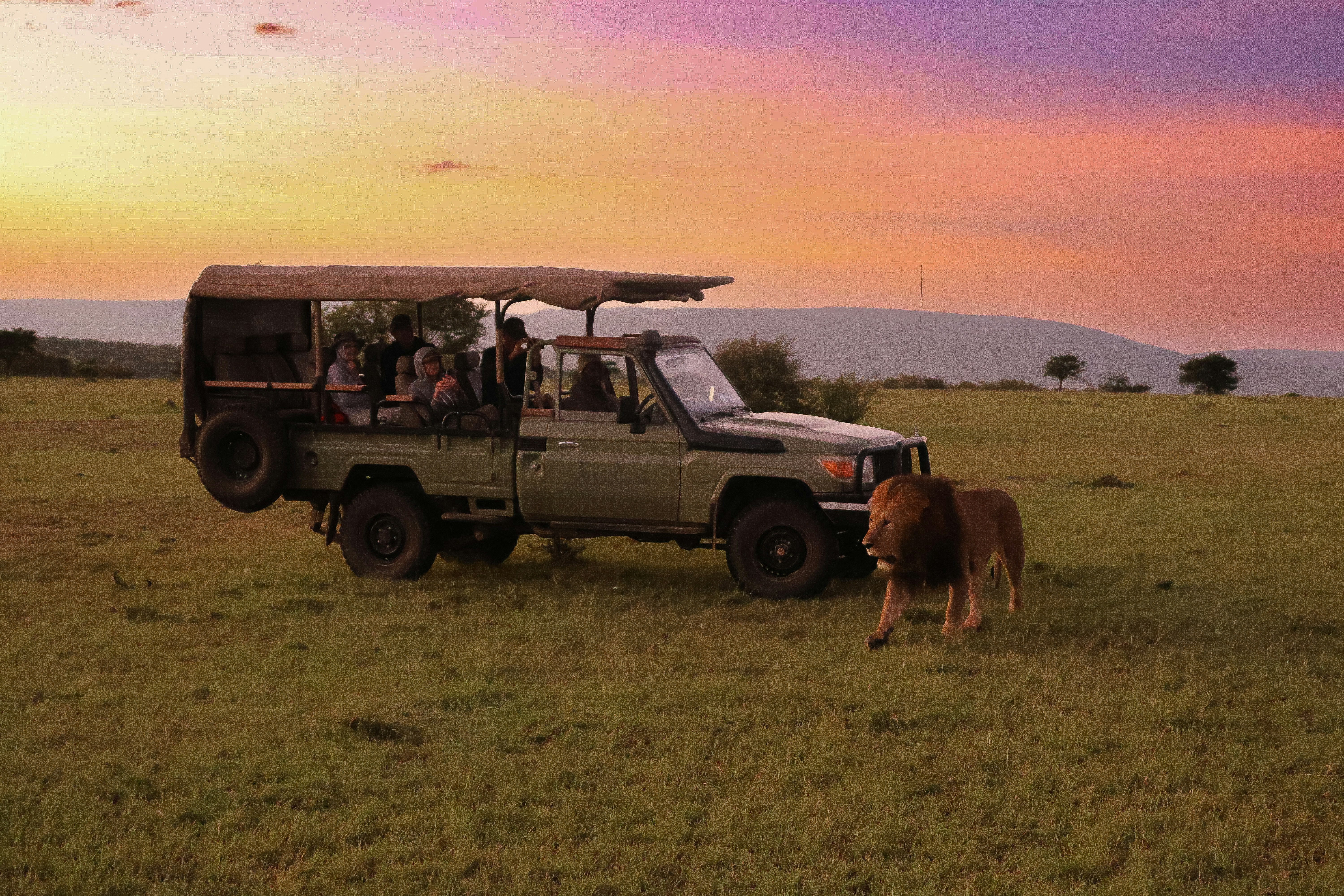
Predator-prey interactions observable during safaris provide visceral understanding of life-death relationships dominating natural world. Witnessing hunts, observing predator kills, and understanding that death sustains life shifts perspective from romanticized wildlife viewing toward realistic understanding of ecosystem dynamics. This realization—that survival requires consuming other beings, that violence and death sustain natural systems—connects tourists to fundamental ecological principles often obscured in modern life.
Animal intelligence, emotions, and social complexity increasingly documented by researchers challenge assumptions about human uniqueness. Observing elephant grieving behavior, recognizing lion social structures and cooperation patterns, and witnessing parenting behaviors across species cultivates appreciation for non-human consciousness and emotional sophistication. Safari experiences, properly contextualized, contribute to broader environmental consciousness and ethical consideration of non-human life.
Conservation Reality: Challenges & Solutions
Despite Kenya's conservation efforts, wildlife populations face threats from poaching, habitat fragmentation, human-wildlife conflict, and climate variability. Elephant poaching for ivory, rhino hunting for horns, and carnivore persecution by livestock herders reduce populations despite legal protections. Climate change affects rainfall patterns, vegetation growth, and migration timing—droughts stress wildlife populations and force human herds into sensitive areas. The tension between conservation and human development—land use for agriculture, settlements, and infrastructure—requires careful balance prioritizing both wildlife and human needs.
Successful conservation projects combine legal protection, habitat preservation, community engagement, and international cooperation. The Sheldrick Wildlife Trust, African Parks, and Kenya Wildlife Service demonstrate how organizations mobilize resources, train rangers, and develop sustainable approaches benefiting both wildlife and local communities. Tourism revenue provides economic incentive for conservation—wildlife preservation becomes profitable for local economies, supporting protection more effectively than purely regulatory approaches.
Indian travelers, familiar with similar conservation challenges in contexts like Project Tiger and Project Elephant, recognize that wildlife preservation requires sustained commitment, adequate funding, and addressing root causes of human-wildlife conflict. Kenya's conservation example provides lessons applicable across Asia and Africa regarding sustainable coexistence between human and wildlife populations.
Personal Transformation: Safari's Spiritual Dimension
Immersion in wild environments, experiencing landscapes unchanged for thousands of years, and witnessing natural processes unfiltered by human mediation creates psychological shifts for many visitors. The humbling realization of human smallness within vast ecosystems, recognition of human dependence on natural systems, and appreciation for life's fragility inspire post-travel environmental consciousness and lifestyle modifications. Many safari visitors report increased commitment to conservation, reduced consumption, and strengthened spiritual perspectives emphasizing interconnectedness.
Indigenous Knowledge: Learning from Maasai Pastoral Traditions
Maasai herders, inhabiting Kenya/Tanzania borderlands for centuries, developed sophisticated knowledge systems for livestock management, water source identification, and seasonal movement patterns suited to arid environments. This accumulated ecological knowledge, developed through millennia of direct interaction with landscape and wildlife, represents valuable perspective complementing scientific conservation approaches. Respectful learning from indigenous peoples' sustainable relationship with nature provides alternative models for human-environment integration increasingly necessary as global resource pressures intensify.