Timing Your Visit: Seasons & Hidden Windows for Optimal Experiences
While October-February attracts most tourists seeking cool weather and clear skies, September and March offer underrated advantages with lower crowds, lush landscapes from recent monsoons, reduced accommodation prices, and authentic community experiences untainted by peak season tourism saturation. Avoid April-May when temperatures soar above 35 degrees Celsius, creating exhausting travel conditions and health risks requiring constant cooling refuges and high water intake. The monsoon season (June-September) transforms Kerala into verdant paradise with dramatic rainfall creating mysterious forest atmospheres, powerful waterfalls, and meditative travel experiences appealing to spiritual seekers and photographers despite challenging weather conditions. Understanding seasonal variations allows strategic timing aligned with personal preferences—solitude-seeking travelers thrive during monsoon, cultural-engagement travelers benefit from September-October transitions, and photography enthusiasts capitalize on morning mists of post-monsoon seasons.
Transportation Strategy: Moving Beyond Tourist Routes & Package Deals
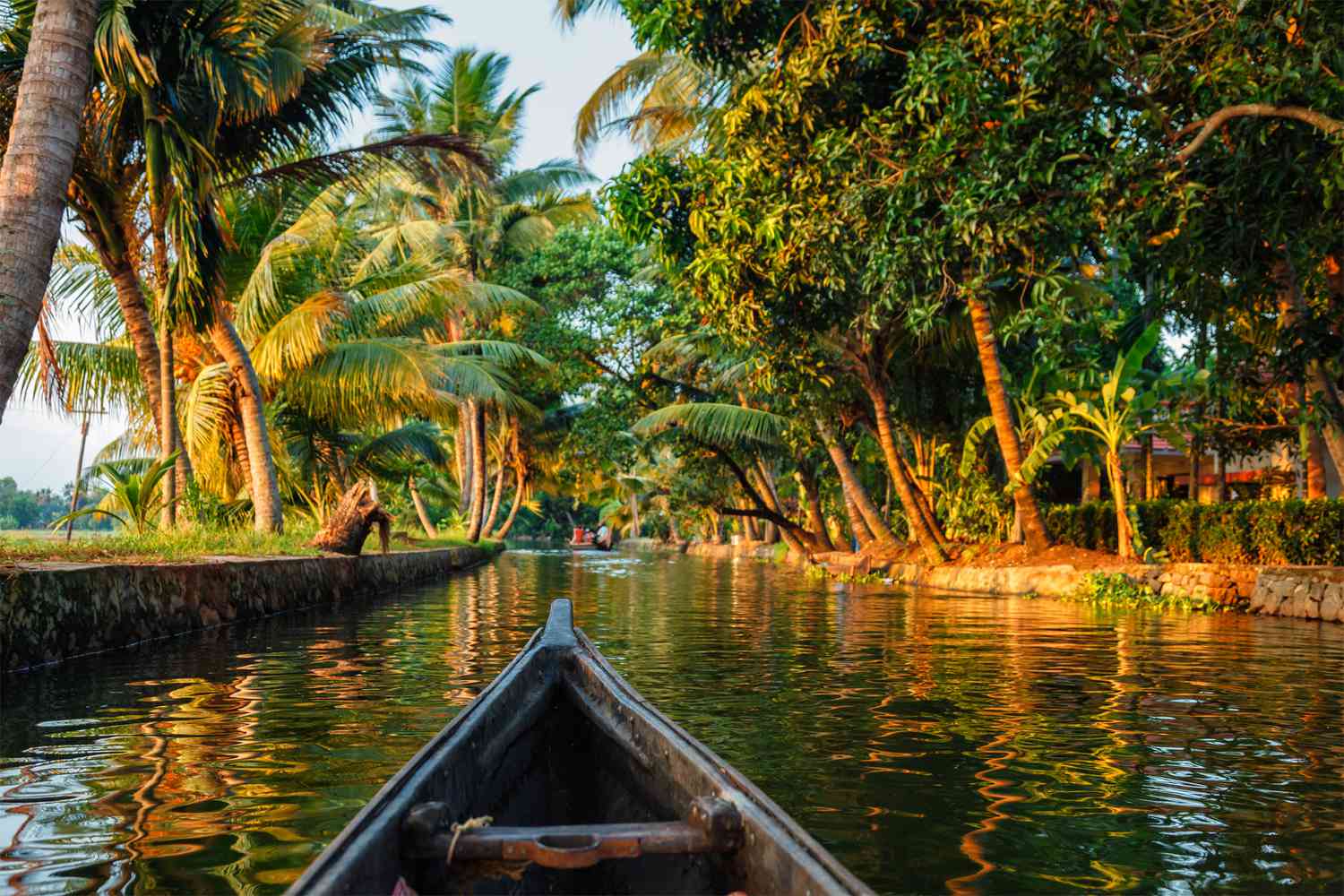
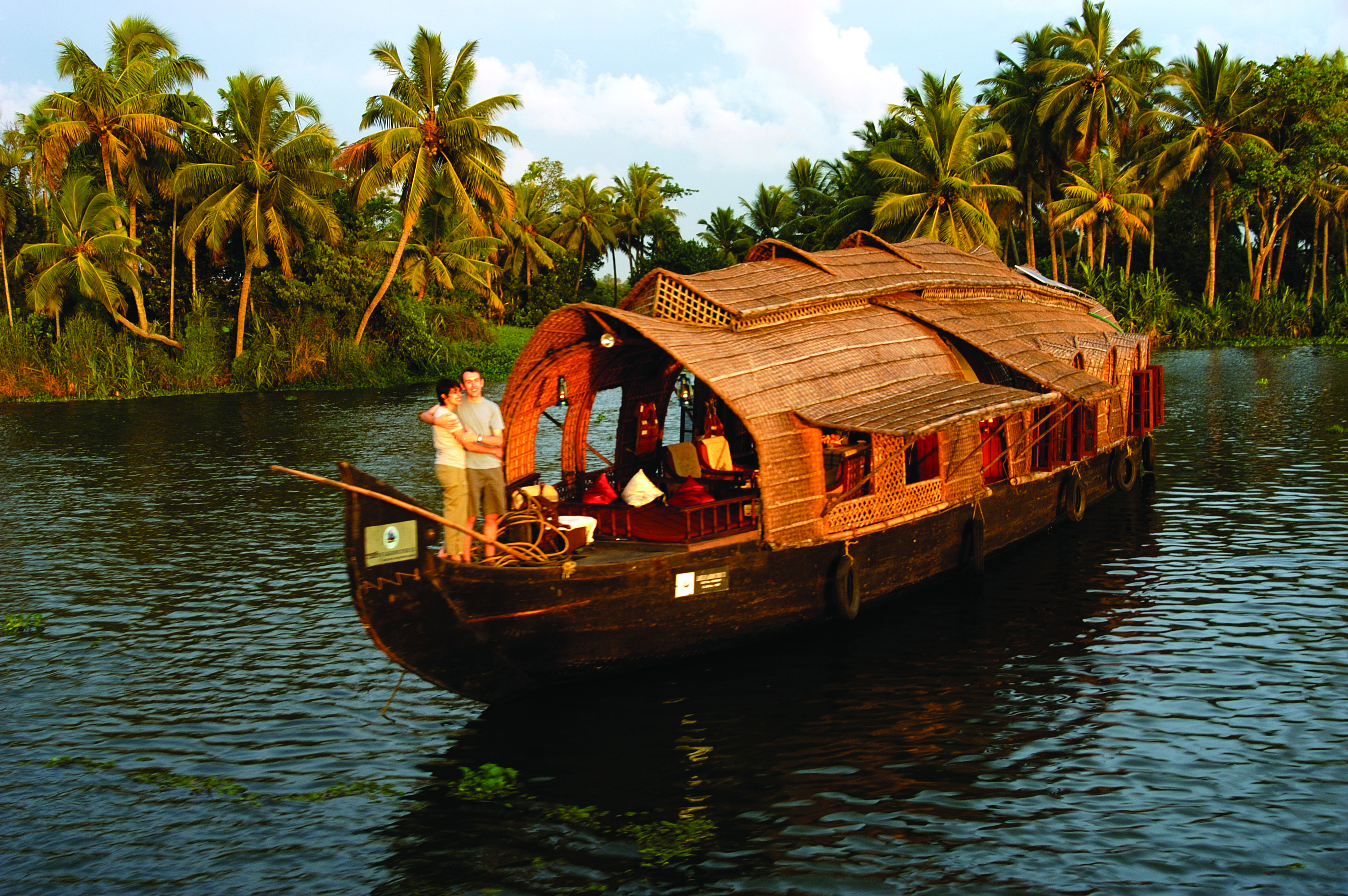
Avoid expensive tourist shuttles and tour operators by using local buses and trains—the famous Backwater Express train from Kottayam to Kumily provides stunning scenery while costing 150-400 rupees versus 2,000-3,000 for equivalent private transportation. Hire local taxi drivers (500-1,200 rupees daily) who share insider knowledge about hidden attractions, best times to visit popular sites, and connections to family guesthouses offering superior hospitality to commercial hotels. Utilize auto-rickshaws (25-100 rupees per journey) for local mobility, negotiating fares in advance while enjoying authentic street-level exposure to ordinary community life rather than hermetically-sealed tourist bubble transportation. The Kerala Backwaters boat network offers scenic alternatives to houseboats—small fishing boats (500-1,500 rupees daily) provide flexible itineraries and opportunities to accompany fishermen, understanding ecological systems while supporting artisanal livelihoods directly.
Cultural Immersion Through Community Participation Rather Than Spectating
Volunteer with local NGOs or environmental organizations protecting mangrove ecosystems, turtle nesting sites, or elephant sanctuaries—contributing labor creates meaningful community integration while advancing conservation efforts that travelers genuinely care about. Enroll in Ayurveda wellness programs not as tourist experiences but as genuine health explorations with practitioners treating you as patient rather than customer, understanding traditional medicine systems developed through millennia of empirical observation. Attend temple festivals, church services, and mosque prayers by arriving early, dressing appropriately, and requesting permission from community members; participating in genuine spiritual observances rather than photographing from distance creates authentic cultural experiences and mutual respect. Learn basic Malayalam phrases, eat at family restaurants where English is non-existent, shop at neighborhood markets where negotiations occur in local language, and engage in conversations with locals about their lives, concerns, and contemporary Kerala—these efforts create genuine human connections transcending commercial tourism frameworks.
Food Adventures: Beyond Hotel Restaurant Menus
Seek out small eateries frequented by locals where traditional dishes like appam-stew, puttu-curry, or fish moilee are prepared fresh daily using family recipes refined across generations, with meals costing 100-250 rupees while quality dramatically exceeds commercialized tourist restaurants. Visit coconut oil pressing units, cashew processing factories, and spice markets to understand value chains transforming raw materials into finished products while supporting family businesses competing against industrial manufacturers. Take cooking classes with local women in home kitchens rather than commercial culinary schools—learning to grind coconut, prepare fish curries, and make traditional snacks creates embodied understanding of cultural foodways unavailable through formal instruction. Participate in fish market visits at dawn, learning seasonal availability patterns, fish varieties, and economic pressures affecting artisanal fishing communities while purchasing fresh ingredients for guesthouse meals.
Budget Optimization Without Sacrificing Quality or Ethics
Negotiate room rates directly with guesthouse owners—mentioning specific accommodation costs you've encountered elsewhere often yields 15-30% discounts while building personal relationships encouraging future recommendations and personalized service. Join traveler networks and online communities sharing current accommodation prices, restaurant recommendations, and transportation insights that enable informed decision-making based on recent experiences rather than outdated guidebook information. Travel with other backpackers during shoulder seasons, splitting transportation costs, guesthouse room fees, and guide services while creating social connections and mutual support systems valuable for extended stays. Budget 1,500-3,000 rupees daily per person for comfortable mid-range accommodation, local food, transportation, and attractions by staying in family guesthouses, eating at local restaurants, using public transportation, and accessing many natural attractions free or at minimal cost.