Khajuraho: Temples That Celebrate Life's Full Spectrum
Khajuraho's 85 surviving temples, built between 950-1050 CE by the Chandela dynasty, represent one of India's most remarkable architectural achievements, featuring intricate stone carvings that celebrate human life in its entirety—spiritual transcendence, martial valor, and romantic passion intertwined in perfect harmony. The Western group of temples, including the stunning Kandariya Mahadev Temple with its soaring spires, showcases architectural sophistication that influenced temple design across India for centuries. Each temple wall tells stories through carved figures demonstrating that ancient Indian philosophy viewed all aspects of human existence—including sensuality and erotic love—as valid expressions of divine creativity. Walking through these temples at sunrise offers an almost meditative experience, as golden light illuminates thousands of carved figures and reveals new sculptural details with each passing hour of the day.
Pachmarhi: Hill Station Serenity in the Heart of the Subcontinent
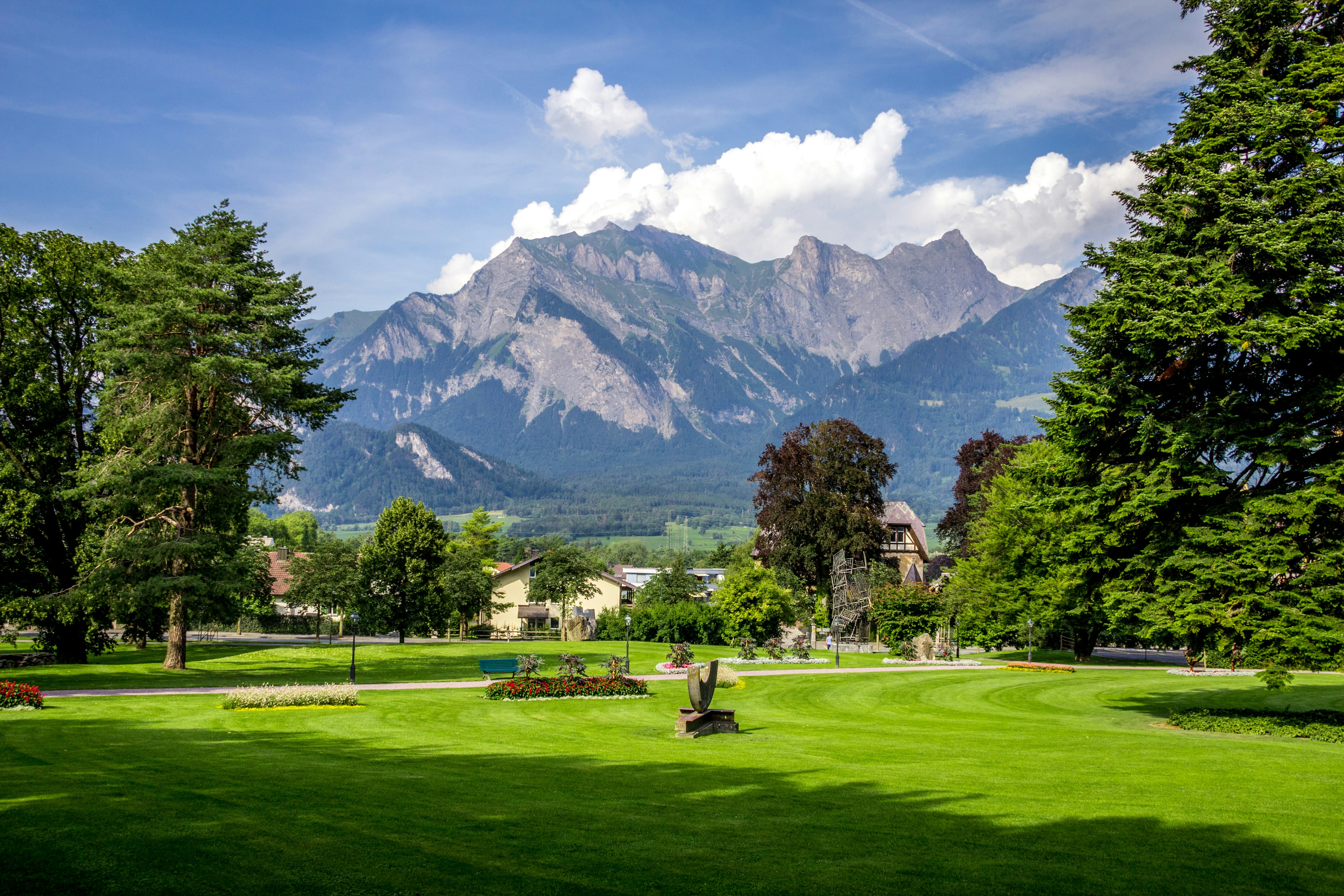
Pachmarhi, nestled at 1,067 meters elevation in the Satpura Range, offers a refreshing escape from the plains with misty mornings, verdant forests, and numerous waterfalls that create nature's own symphony during monsoon season. The hill station's natural attractions include the dramatic Pandava Falls, the serene Jatashankar Cave with its underground stream, and countless trekking trails that reveal pristine forests home to leopards, bison, and rare bird species found nowhere else. Pachmarhi's colonial-era charm remains visible in its Victorian architecture and quiet atmosphere, creating a perfect retreat for nature lovers seeking solitude away from bustling tourist centers. Adventure enthusiasts can explore rock formations at Forsyth Point, swim in natural pools at Bowergunj, and experience tribal village life through organized visits to nearby Gond settlements.
Indore & Mandu: Commerce and Medieval Grandeur United
Indore, Madhya Pradesh's largest city, serves as the gateway to the state and home to the magnificent Rajwada Palace, a seven-story structure blending Mughal, Maratha, and European architectural styles that dominated the regional landscape for centuries. Just 98 kilometers away, Mandu perches on a plateau 600 meters above surrounding plains, featuring some of India's finest Islamic and Hindu architectural fusion—the Jahaz Mahal (Ship Palace) appears to float between two artificial lakes, while the massive Hindola Mahal showcases graceful arched architecture that seems to sway like a cradle. Mandu's 15-kilometer fortification walls enclose palaces, mosques, temples, and underground stepwells that reveal the city's fascinating history as a strategic military stronghold and artistic hub where Indian and Islamic aesthetics merged seamlessly.
Sanchi: Buddhist Heritage and Architectural Innovation
Sanchi, a UNESCO World Heritage Site, houses the world's oldest stone structure—the Great Stupa built by Emperor Ashoka in 260 BCE—which stands as a testament to ancient Indian architectural prowess and Buddhist devotion. The site's four ornate torans (gateways) display exquisite stone carving depicting Buddhist mythology, merchant caravans, and detailed scenes of daily life that provide invaluable insights into ancient Indian society. Exploring Sanchi offers not just religious significance but educational value, as the monument features informational displays explaining Buddhist philosophy and the Mauryan Empire's transformative role in Indian history. The serene hilltop location provides perfect sunset views, and the adjacent archaeological museum houses artifacts that illuminate life during Buddhism's golden age in India.
Practical Travel Planning and Hidden Experiences
Rent a car with driver for flexibility exploring Madhya Pradesh's scattered treasures, as public transportation between sites can be time-consuming and uncomfortable for longer distances. Stay overnight in Khajuraho to experience the sound and light show at temples—a theatrical presentation that makes ancient legends come alive through dramatic narration and lighting effects. Visit Pachmarhi during monsoon season (June-September) when waterfalls roar with full force and the landscape becomes impossibly green, though be prepared for occasional landslides that may temporarily block hill roads.