Leh: High-Altitude Gateway & Cultural Immersion
Arrive in Leh and spend 2-3 days acclimatizing at 3,500 meters elevation while exploring the old town's atmospheric alleys, Buddhist monasteries, and markets reflecting Tibetan cultural influence. Visit the iconic Leh Palace, a seven-story structure dominating the skyline and offering panoramic city views while revealing the region's princely state history. The Shanti Stupa (Peace Pagoda), accessible by taxi or energetic hike, provides sunset vantage points overlooking Leh's spread and surrounding mountains, creating photographic opportunities alongside spiritual contemplation. Explore local monasteries (Thiksey, Hemis, Diskit) in surrounding valleys, understanding Buddhist traditions that shape Ladakhi identity through architecture, rituals, and philosophical practice maintained across centuries.
Nubra Valley & Pangong Lake: Remote Beauty & Geological Wonders
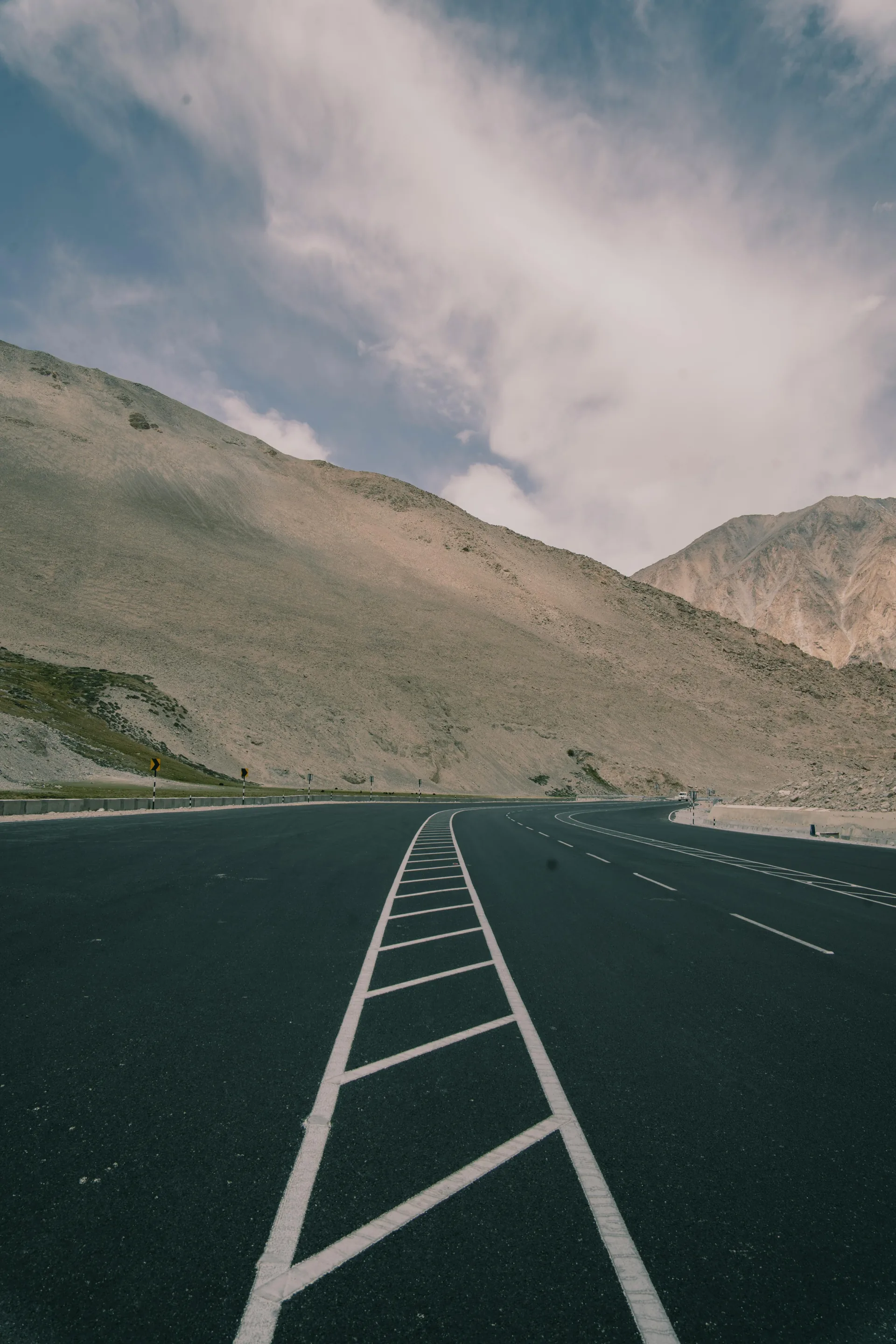
Drive over the legendary Khardung La Pass (5,359m), one of India's highest motorable passes, descending into Nubra Valley where terraced agriculture, Buddhist culture, and Balti communities create unique cultural landscape. Explore Hundur village where Bactrian camels roam sand dunes amid high-altitude desert, creating surreal juxtaposition of desert ecosystem within Himalayan environment. Experience Pangong Tso, Asia's highest saltwater lake stretching 134 kilometers across the India-Tibet border, with mountains creating dramatic backdrop and water colors transforming from turquoise to deep blue throughout the day. The 120-kilometer drive to Pangong from Leh via Chang La Pass (5,360m) provides constant scenic rewards and acclimatization benefits, making the journey as meaningful as the destination.
High Mountain Passes & Trekking Adventures
Summit the Tangla Pass (5,328m), Indus Valley, and Moriri Lake if schedules allow, extending beyond mainstream Leh-Pangong-Nubra circuits toward less-traveled destinations revealing Ladakh's raw beauty. Trek to Tso Moriri and Tso Kar lakes through ethereal high-altitude deserts where nomadic herds graze, creating encounters with traditional pastoralist communities maintaining ancient ways amid modernization pressures. The Markha Valley Trek provides moderate-difficulty multi-day trekking through river valleys, high passes, and remote villages offering authentic Ladakhi experiences unavailable through vehicular tourism. These extended explorations demand stronger acclimatization, physical fitness, and weather tolerance than standard circuits, rewarding determined travelers with incomparable wilderness experiences.
Food, Culture & Community Connections
Ladakhi cuisine reflects Buddhist vegetarian traditions alongside Central Asian influences, with momos (dumplings), thukpa (noodle soup), and butter tea representing staple foods maintaining cultural identity through daily practice. Participate in homestays offering home-cooked meals and family interactions that transform tourism into genuine cultural exchange, with families sharing traditions and perspectives on contemporary Ladakh. Visit local markets understanding how isolated regions source diverse goods through complex supply chains adapted to high-altitude geography and seasonal accessibility constraints. Support local artisan communities through direct purchases of Ladakhi crafts, thangka paintings, and textiles from makers rather than tourist shops, ensuring maximum economic benefit reaches communities sustaining traditions.
Altitude Management & Environmental Responsibility
Spend minimum 2-3 days in Leh acclimatizing before ascending further; altitude affects individuals unpredictably and rushing upward risks severe altitude sickness requiring descent. Drink abundant water (3-4 liters daily), avoid alcohol during acclimatization, and maintain light meal preferences accommodating reduced appetite at elevation; these practices substantially improve altitude tolerance. Recognize that Ladakh's fragile high-altitude ecosystems remain vulnerable to tourism pressure; practice leave-no-trace principles, avoid single-use plastics, and respect restricted areas protecting sensitive habitats. The region's water scarcity, exacerbated by climate change and increasing tourism, requires conscious water conservation through shorter showers and minimal non-essential usage, making sustainability practices essential for responsible travel.