Island Exploration and Marine Activities
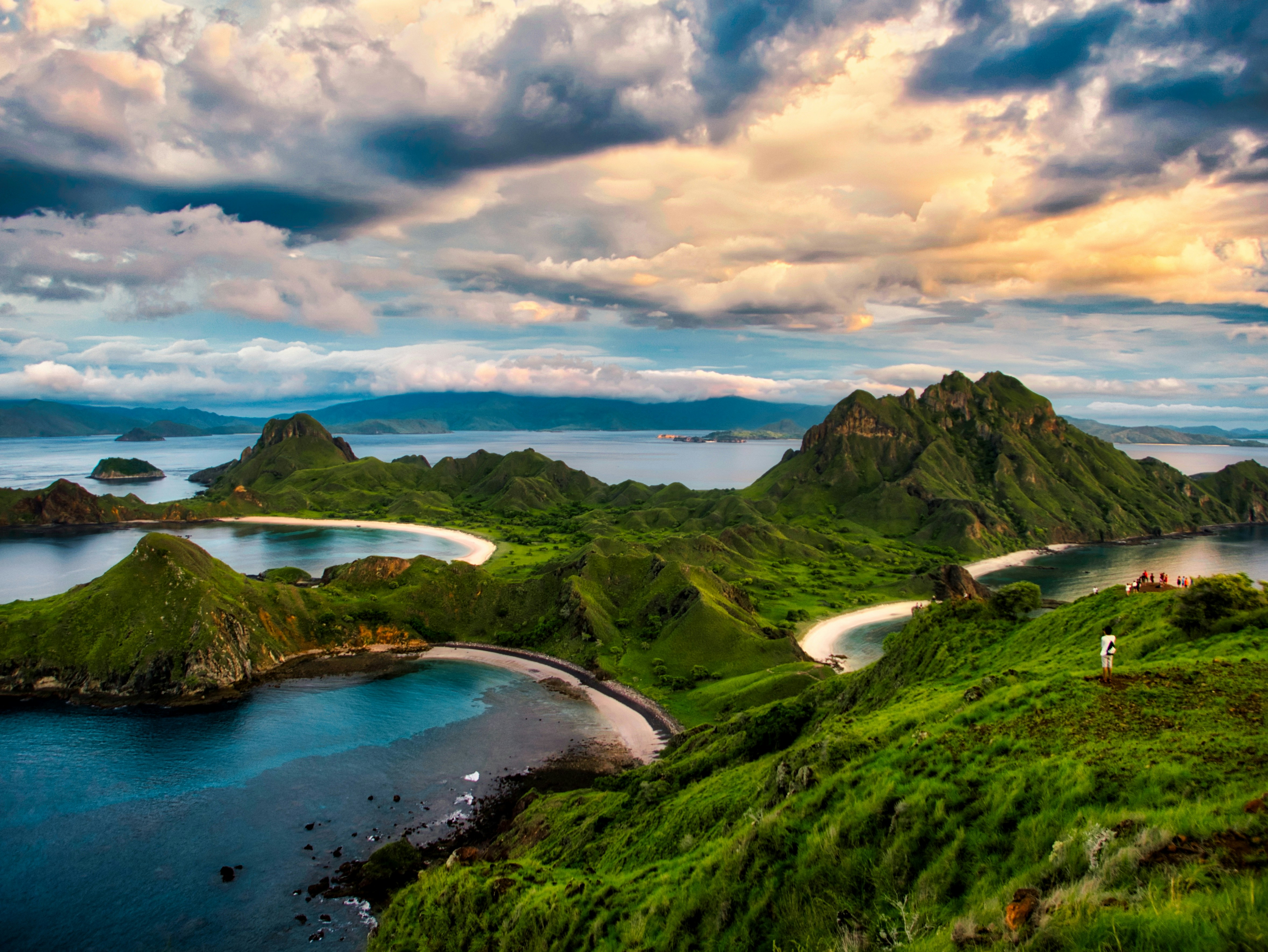
Peninsular Malaysia's eastern coast features numerous islands including Perhentian Islands, Redang Island, and Terengganu offerings pristine snorkeling and diving accessible directly from shore or via short boat trips. Book island visits during dry season (May-September for east coast) when seas remain calm and visibility exceeds 20 meters; monsoon season (November-March) brings rough seas and reduced visibility making water activities dangerous or impossible. Research marine conservation status before island visits; some islands enforce strict environmental protections limiting beach access during turtle nesting season—respect these boundaries ensuring ecosystem preservation protecting species and habitats. Sarawak and Sabah offer additional island opportunities including less-developed islands with indigenous communities maintaining traditional maritime practices—community-based tourism initiatives provide accommodation and guide services supporting local economies through responsible tourism.
Food Adventure Protocols and Culinary Navigation
Street food represents Malaysia's culinary essence—satay vendors, nasi lemak stalls, and curry establishments operate day and night in hawker centers, night markets, and street corners offering authentic flavors at fraction of restaurant costs. Request recommendations from local residents rather than relying on guidebooks; locals know quality vendors, proper ordering procedures, and dishes worth trying that tourists might otherwise miss. Try regional specialties: laksa in Penang, rendang in Padang, nasi ulam in Terengganu—regional variations in traditional dishes reflect local ingredients and cultural influences creating distinct flavor profiles worth pursuing geographically. Accept food offers from local friends and community members when socially appropriate—home-cooked meals provide cultural immersion impossible in commercial settings while creating genuine relationships transcending transactional tourism.
Cultural Respect and Religious Sensitivity
Remove shoes entering homes, temples, and mosques regardless of religious affiliation—this gesture demonstrates respect for sacred spaces and cultural values regarding cleanliness and spiritual purity. Dress modestly in religious areas and rural communities: cover shoulders, chest, and knees, avoid transparent or revealing clothing, and carry shawls for temple visits if dress codes are stricter than personal comfort. During Ramadan month, avoid eating, drinking, or smoking in public spaces in front of fasting Muslims—respect observant community members' religious practice even if you personally don't fast. Accept invitations to community events including weddings, celebrations, and religious ceremonies when welcomed—these intimate experiences reveal cultural values and create relationships impossible through formal tourism infrastructure.
Transportation and Practical Logistics
Domestic flights between peninsular Malaysia and Borneo states cost $30-60 USD, making multi-region exploration accessible despite geographic distances; book in advance during peak season for better rates. Use long-distance buses for peninsula travel; extensive bus networks connect all major cities at low costs ($5-15 USD for 4-8 hour journeys) with comfortable coaches and regular schedules. Purchase travel insurance covering medical evacuation; Malaysia's healthcare quality varies geographically, with excellent facilities in Kuala Lumpur and major cities but limited services in remote Borneo regions. Carry cash in Ringgits; not all establishments accept cards, particularly in rural areas, markets, and street food stalls where cash remains preferred payment method.
Seasonal Planning and Optimal Timing
Visit peninsular Malaysia during November-April for optimal weather avoiding monsoon rains affecting east coast; west coast and Kuala Lumpur remain accessible year-round. East Malaysian Sarawak and Sabah have distinct seasonal patterns—explore these regions May-September when east coast experiences dry season. Plan flexible itineraries allowing weather-dependent adjustments; unexpected rains and rough seas may temporarily restrict certain activities, requiring alternative attractions. Consider spending time in hill stations like Cameron Highlands or Genting Highlands during wet season when lush vegetation displays peak beauty and cooler temperatures offer relief from heat.