Understanding Maldives Archipelago Geography & Atoll Systems
The Maldives is a tropical island nation comprising 1,190 coral islands scattered across 26 natural atolls in the Indian Ocean, spread across 90,000 square kilometers of the Indian Ocean yet with only 298 square kilometers of actual land area—a fact that underscores the ocean's dominance of the landscape and character. These islands are organized into 20 administrative atolls, each offering distinct characteristics and experiences for travelers seeking different types of encounters. The iconic North and South Male Atolls remain the most popular due to their proximity to Male International Airport (only 45-90 minutes by speedboat), hosting the highest concentration of resorts alongside world-class diving and snorkeling facilities accessible within minutes of accommodation. The Ari Atoll, encompassing the most pristine diving experiences, stretches 70 kilometers across and hosts legendary dive sites alongside whale shark migration corridors and manta ray gathering zones accessible year-round or seasonally depending on specific sites. Baa Atoll was designated a UNESCO Biosphere Reserve in 2011, recognizing its exceptional marine biodiversity, pristine coral ecosystems, and critical function as breeding grounds for numerous species including manta rays, reef sharks, and tropical fish populations numbering in the millions. Remote southern atolls—including Vaavu, Meemu, Addu, and Gnaviyani—provide exclusive, quieter escapes for those seeking true solitude, virgin diving experiences, and encounters with travelers seeking adventure rather than social scenes.
Resort Island Characteristics & Experience Types
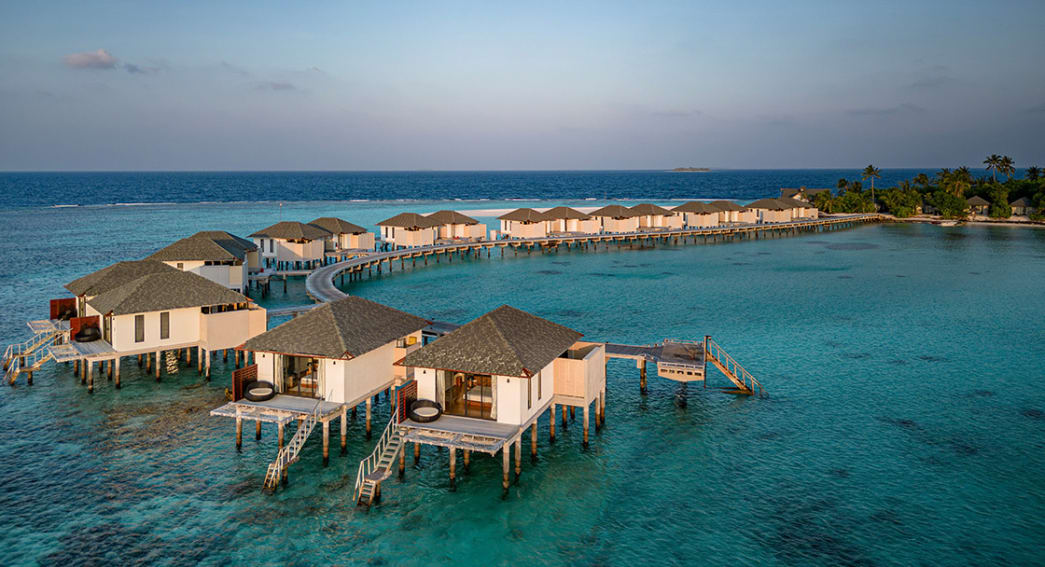
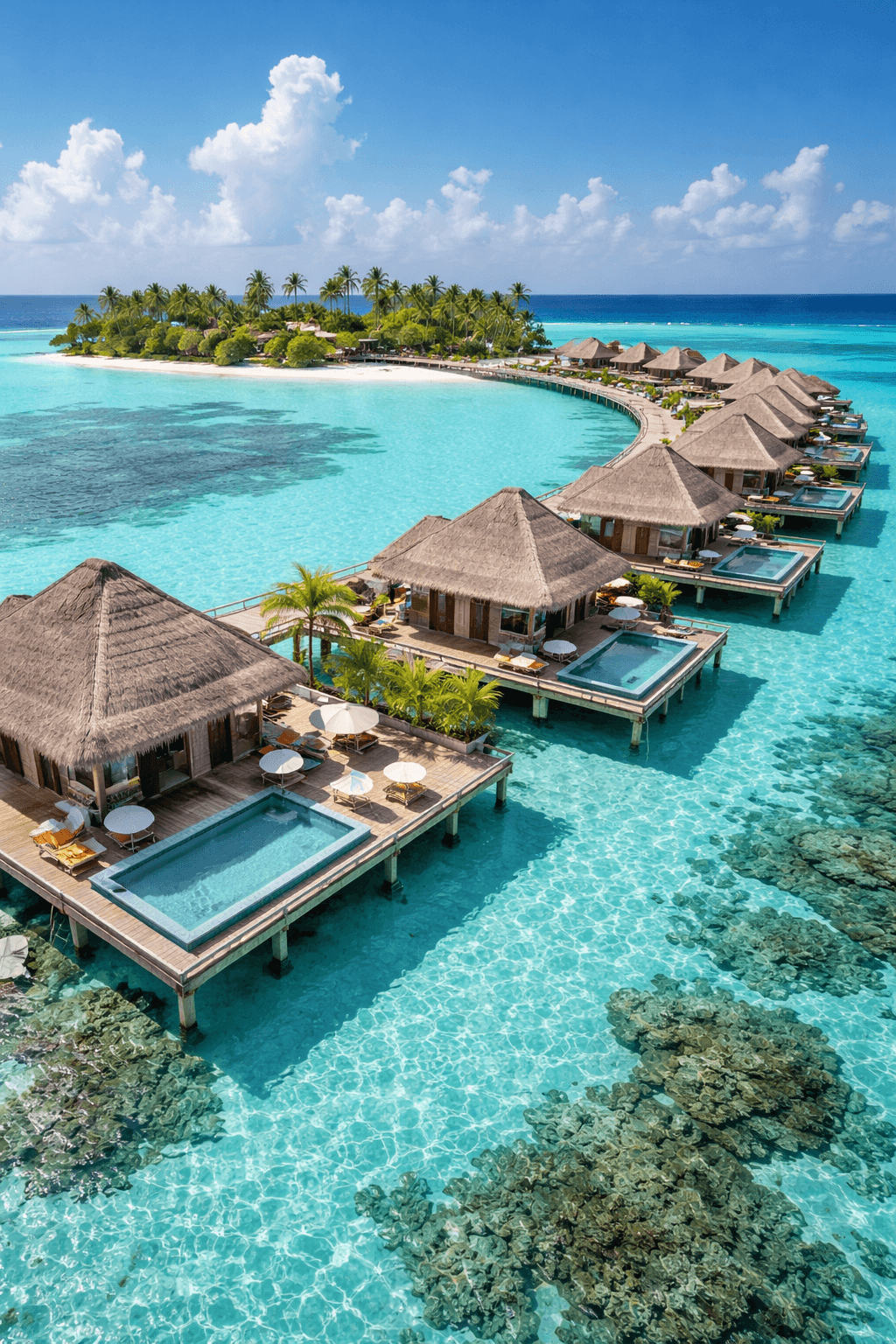
Each island is typically home to a single resort, making it refreshingly easy to curate your experience based on precise preferences rather than navigating crowded destination options. Overwater bungalows with glass-floor viewing panels allow direct access to spectacular house reefs teeming with marine life 24/7, enabling spontaneous snorkeling sessions and nighttime observations of nocturnal creatures through your bedroom floor. Luxury beach villas with private infinity pools overlooking untouched beaches offer maximum privacy and sensory indulgence, though at substantial premium costs ranging from $800-$3,000+ nightly. Budget resorts, primarily concentrated in Male Atoll and increasingly in North Male, offer genuine value propositions and authentic local experiences on islands shared with Maldivian communities, allowing visitors to engage with local culture, cuisine, and daily rhythms often missed at isolated luxury properties. Mid-range resorts have proliferated over the past decade, delivering exceptional quality-to-value ratios with comfortable accommodations, good food, house reef snorkeling, and water sports at accessible price points attracting families and repeat visitors. Specialty resorts cater to specific demographics: honeymooner-focused properties emphasize romance with private dining, spa treatments, and intimate settings; dive-focused resorts prioritize unlimited diving, house reef access, and experienced dive masters; family-friendly resorts provide kids' clubs, shallower lagoons, and varied dining options to satisfy diverse age groups.
Diving, Snorkeling & Water Paradise
The Maldives is a diver's heaven with year-round visibility ranging from 30 to 60 meters depending on season, atoll location, and specific dive site characteristics. House reefs immediately adjacent to resorts offer incredible snorkeling without boat trips, with most islands featuring housefront coral formations exploding with life within 20 meters of shore—offering equal appeal to certified divers and non-divers exploring the reef at their comfort level. Dedicated diving spots reveal sharks, rays, and vibrant coral gardens that remain among the world's healthiest and most biodiverse ecosystems despite climate pressures affecting many ocean regions. Popular dive sites like Banana Reef, known for its distinctive crescent shape and abundance of tropical fish, and Miyaru Kandu, featuring dramatic channels where nutrient-rich currents attract large pelagic species including manta rays, whale sharks, and reef sharks, are world-renowned for their biodiversity and dramatic currents that create thrilling underwater experiences during certain seasons. Manta season typically peaks from June-November when upwelling currents concentrate plankton, attracting these gentle giants in remarkable numbers sometimes reaching double-digit encounters in single dive sessions. Coral gardens throughout the atolls showcase the extraordinary health and diversity of healthy reef systems, with hard corals, soft corals, sea fans, and encrusting sponges creating three-dimensional ecosystems supporting thousands of fish and invertebrate species in miraculous abundance.
Best Time to Visit, Weather Patterns & Seasonal Dynamics
The dry northeast monsoon season from November to April offers calm seas, excellent visibility, and the most comfortable weather for water activities, with temperatures stabilizing around 26-28 degrees Celsius despite lower humidity in December-February. December through February represents the premium peak season with prices reaching annual highs and resorts operating at maximum capacity, though superior conditions justify the premium for many travelers willing to invest substantially. March and April offer shoulder-season pricing at 20-30% discounts while maintaining excellent conditions, though humidity begins increasing notably toward April. The monsoon season from May to October brings warmer temperatures, higher humidity averaging 75-80%, and occasional afternoon showers that rarely disrupt activities but add dramatic cloud formations to the landscape. May through July delivers exceptional whale shark season, particularly around Ari Atoll and Baa Biosphere Reserve, where filter-feeding giants gather in remarkable concentrations around plankton blooms accessible via boat excursions. June through October provides optimal manta ray visibility, with certain dive sites recording encounters on 80-90% of dives during peak season, creating unprecedented opportunities for underwater photographers and enthusiasts. August-September brings the warmest temperatures (28-31 degrees Celsius) and occasional rougher seas in exposed northern atolls, while southern atolls often remain calmer. Prices fluctuate dramatically between seasons, with peak season (November-March) commanding rates 50-70% higher than equivalent accommodations in shoulder seasons, making budget-conscious travelers strategic in timing their visits around specific wildlife or weather preferences.
Transportation Networks & Resort Logistics
Most resorts arrange speedboat or seaplane transfers from Male International Airport, with journey times ranging from 15 minutes to over 2 hours depending on your chosen island and transfer method. Seaplane transfers cost $200-$400+ per person but offer breathtaking aerial views of the atolls, turquoise water gradations, and coral formations visible only from above—often transforming the transfer itself into a highlight rather than mere logistics. Speedboat transfers provide economical alternatives for nearby resorts, typically costing $40-$150 per person, though requiring 1-3 hours of travel. Domestic flights operate between scattered islands with limited frequency, useful primarily for inter-island hops or repositioning between resorts during extended island-hopping adventures. Traditional dhoni vessels, the iconic wooden sailing boats of the Indian Ocean, provide both practical inter-island transportation and romantic sunset cruise experiences, combining logistics with authentic cultural immersion. Many resort packages bundle transfers, offering all-inclusive pricing that simplifies logistics while ensuring reliability. Understanding transfer timing helps optimize your itinerary: most resorts schedule check-ins and check-outs around transfer availability, making strategic planning of arrival/departure times important for maximizing first and last day enjoyment.