Strategic Resort Selection & Value Maximization
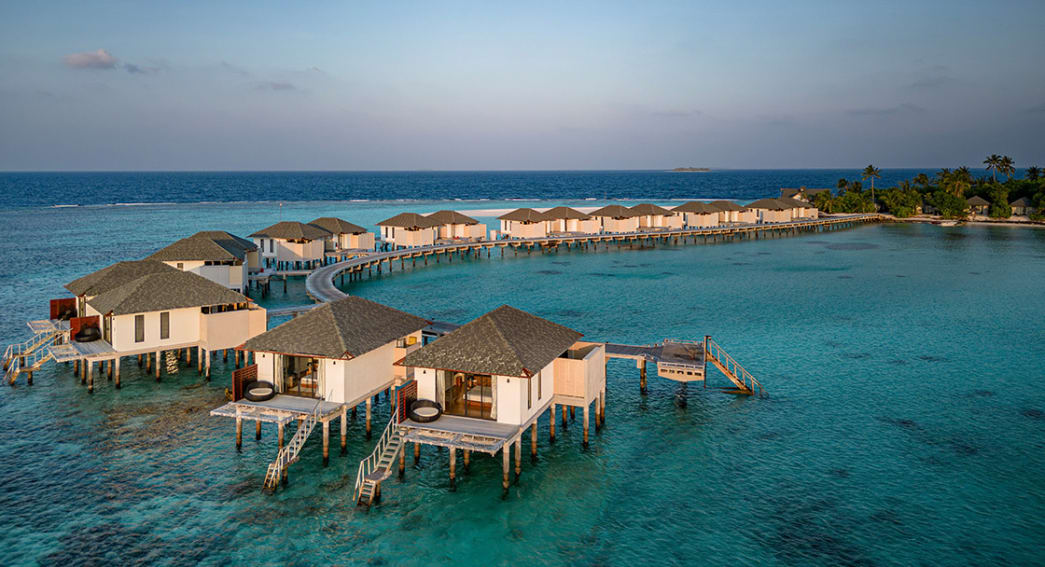
Choosing the right resort directly impacts your Maldives experience and overall budget, and this decision deserves careful consideration rather than impulse booking. Island resorts within 30-45 minutes of Male offer excellent value with quick seaplane or speedboat transfers, typically ranging from $40-100 per person, compared to remote atolls requiring 45-90 minute journeys costing $150-300. The proximity advantage means more time enjoying your destination and lower transfer fatigue, particularly valuable for families or those with limited vacation time. Consider all-inclusive packages bundling meals, select beverages, snorkeling equipment, and water sports activities, as these comprehensive offerings typically save 25-35% compared to à la carte bookings. However, examine fine print carefully—some packages exclude alcohol, premium dining venues, diving excursions, and spa treatments, so verify what actually qualifies as included before committing. Mid-range resorts with excellent reputations often deliver superior value to luxury properties charging double the price for marginal amenities, allowing you to allocate savings toward meaningful experiences like dive certifications or cultural island excursions.
Water Villa vs Beach Villa: Choosing Your Perfect Accommodation
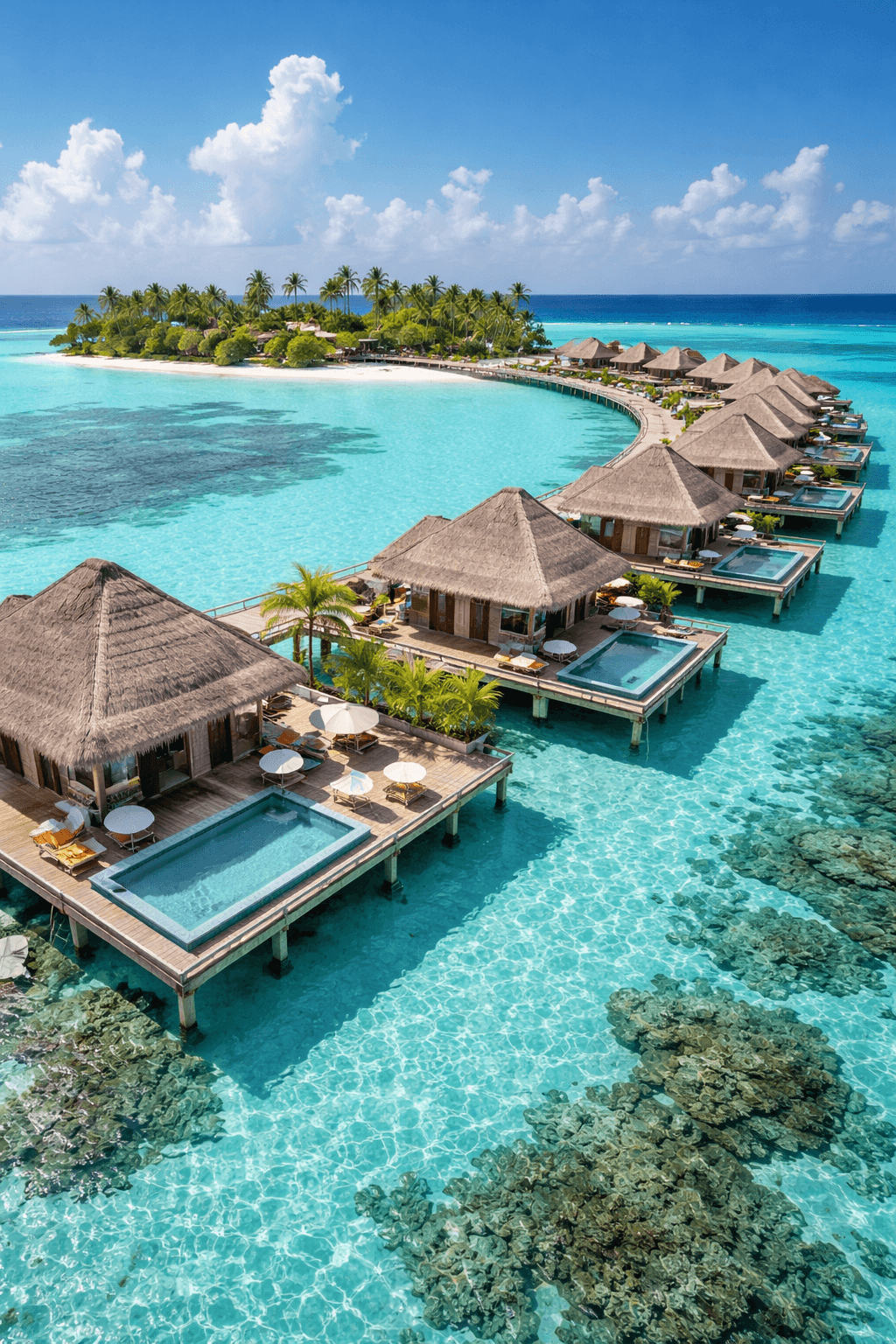
Water villas represent the quintessential Maldives experience, offering direct lagoon access and unparalleled privacy with sunrise and sunset views framed by your private deck. These bungalows typically cost 40-60% more than comparable beach properties, ranging from $500-$2,000+ nightly, but justify the premium for honeymooners, anniversaries, and once-in-a-lifetime celebrations. The direct water access enables spontaneous snorkeling at your doorstep, swimming with tropical fish from your private infinity pool, and a sensory experience that defines the destination for most travelers. Beach villas provide sandy comfort, easier water entry for families with young children, and practical advantages like direct path access for moving luggage or receiving room service. For budget-conscious travelers, beach villas offer 60-70% of the water villa experience at significantly lower cost, particularly when combined with house reef snorkeling and organized excursions. The optimal choice depends on your priorities: water villas for romance and premium comfort, beach villas for family practicality and value, and garden bungalows as economical bases for adventure-focused travelers prioritizing activities over accommodation luxury.
Timing Your Visit for Maximum Savings
Understanding Maldives seasonality unlocks substantial savings without sacrificing quality experiences. Peak season (November-March) commands premium pricing with room rates 50-70% higher than shoulder periods, despite monsoon considerations affecting only specific months. Visiting during shoulder seasons—April-May and September-October—provides 30-40% savings compared to peak season while maintaining excellent weather conditions, calm seas, and abundant marine life visibility. April-May offers particularly exceptional value with prices at annual lows, clear skies, and warm waters perfect for water activities, though humidity increases noticeably. September-October experiences occasional afternoon showers and occasional rough seas, yet offers incredible wildlife viewing opportunities with manta rays and whale sharks appearing in greater numbers, making the brief weather trade-offs worthwhile for experienced water enthusiasts. Booking 8-10 weeks in advance provides significantly better rates than both last-minute arrangements and advanced bookings beyond three months, as operators typically release seasonal inventory at this optimal window. Weekday departures, particularly Tuesday through Thursday, frequently cost 15-25% less than weekend travel, so flexible scheduling accommodates substantial savings without compromising your experience. Multiple travel insurance policies cover weather-related modifications, providing protection if unexpected conditions emerge during your journey.
Smart Budget Allocation & Avoiding Hidden Costs
Effective budget planning prevents financial surprises that diminish vacation enjoyment, and understanding typical cost distributions guides realistic planning. Allocate approximately 40% of your total Maldives budget toward accommodation, as this represents the largest expense and varies dramatically based on resort category and villa type. Transfers and internal transportation—seaplane, speedboat, and inter-island ferries—should consume about 20% of your budget, accounting for airport pickups, excursion transfers, and potential resort-to-resort moves. Food and beverages deserve 20% allocation, though this varies significantly based on resort meal inclusions, dining preferences, and activity intensity affecting appetite and energy needs. Activities and experiences—diving certifications, fishing trips, island excursions, spa treatments, and water sports—warrant the remaining 20%, though adventure-focused travelers often allocate more heavily here. Many resorts charge premium prices for activities like snorkeling trips despite exceptional house reef accessibility visible from your villa, so confirm inclusions and research quality before purchasing. Alcohol represents a major hidden cost expense, with resort beverages costing double or triple mainland prices, so pre-booking drink packages or setting daily spending limits prevents budget shock. Spa services command premium pricing in island settings, ranging from $150-300+ for standard treatments, yet package deals and early-week specials often reduce costs significantly for advance planners.
Conservation-Conscious Travel Practices
Responsible tourism ensures your Maldives experience benefits rather than damages the fragile island ecosystem that makes the destination remarkable. Use reef-safe sunscreen products without oxybenzone or octinoxate, as chemical sunscreens damage coral bleaching mechanisms and harm marine larvae development, while physical sunscreens containing zinc oxide or titanium dioxide protect both your skin and the reef. Avoid touching, stepping on, or standing on reefs during snorkeling and water activities, as coral polyps require years to recover from brief contact, and damaged sections invite disease and algae invasion. Participate enthusiastically in resort-organized conservation programs, which range from coral restoration and nursery maintenance to sea turtle protection initiatives and reef monitoring projects that provide meaningful environmental education. Supporting local communities through fair-trade purchases, hiring local guides, and choosing locally-owned restaurants ensures your expenditure benefits actual residents rather than distant resort corporations extracting resources. Decline single-use plastic items like straws, plastic bags, and disposable toiletries offered by resorts, instead requesting reusable alternatives and bringing your own sustainably-sourced products. Limit wildlife interactions to responsible, ethical experiences that prioritize animal welfare, avoiding any activities where creatures appear stressed, confined, or conditioned into unnatural behaviors.