Island Diversity: Geography & Ecosystems
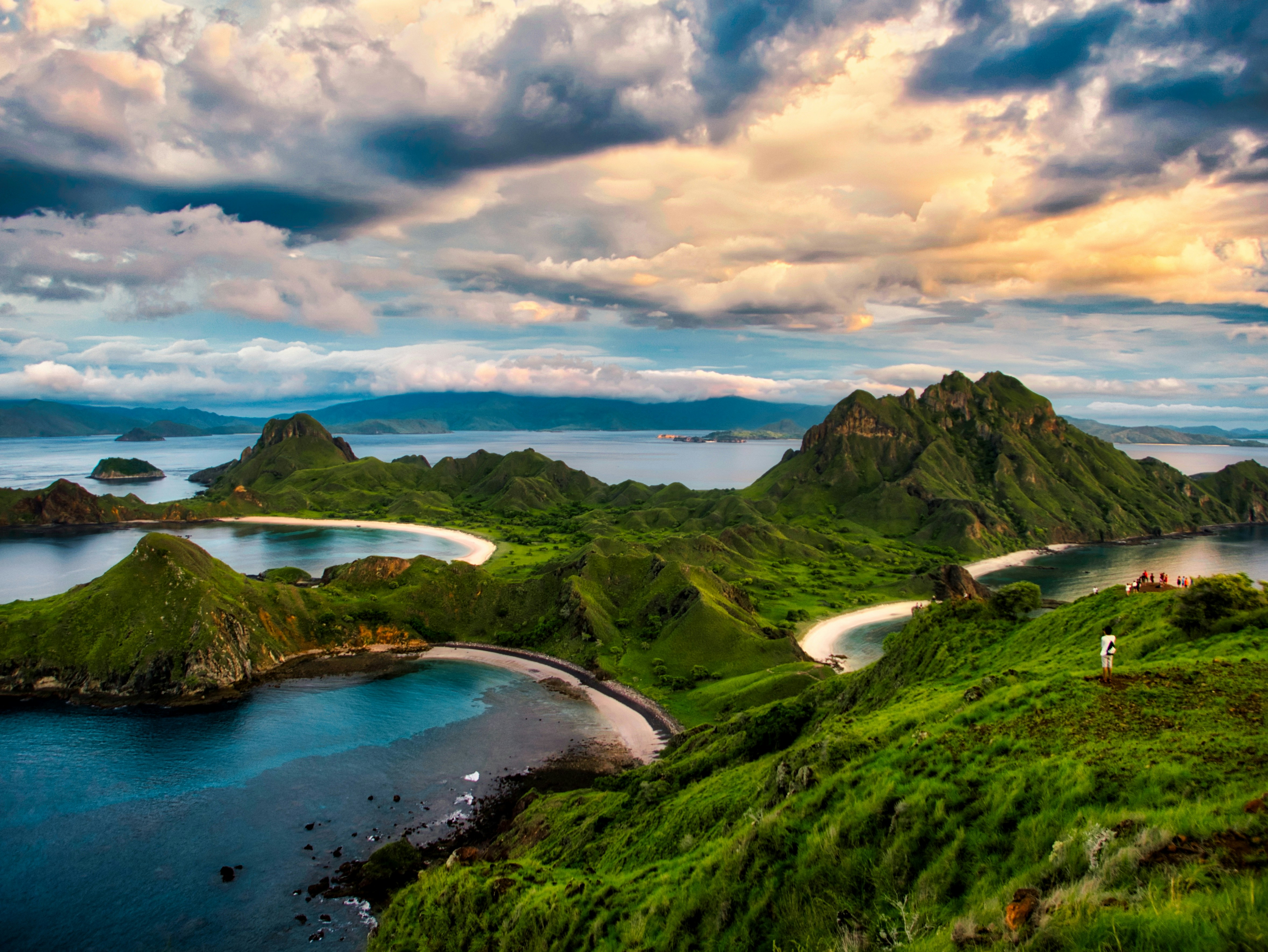
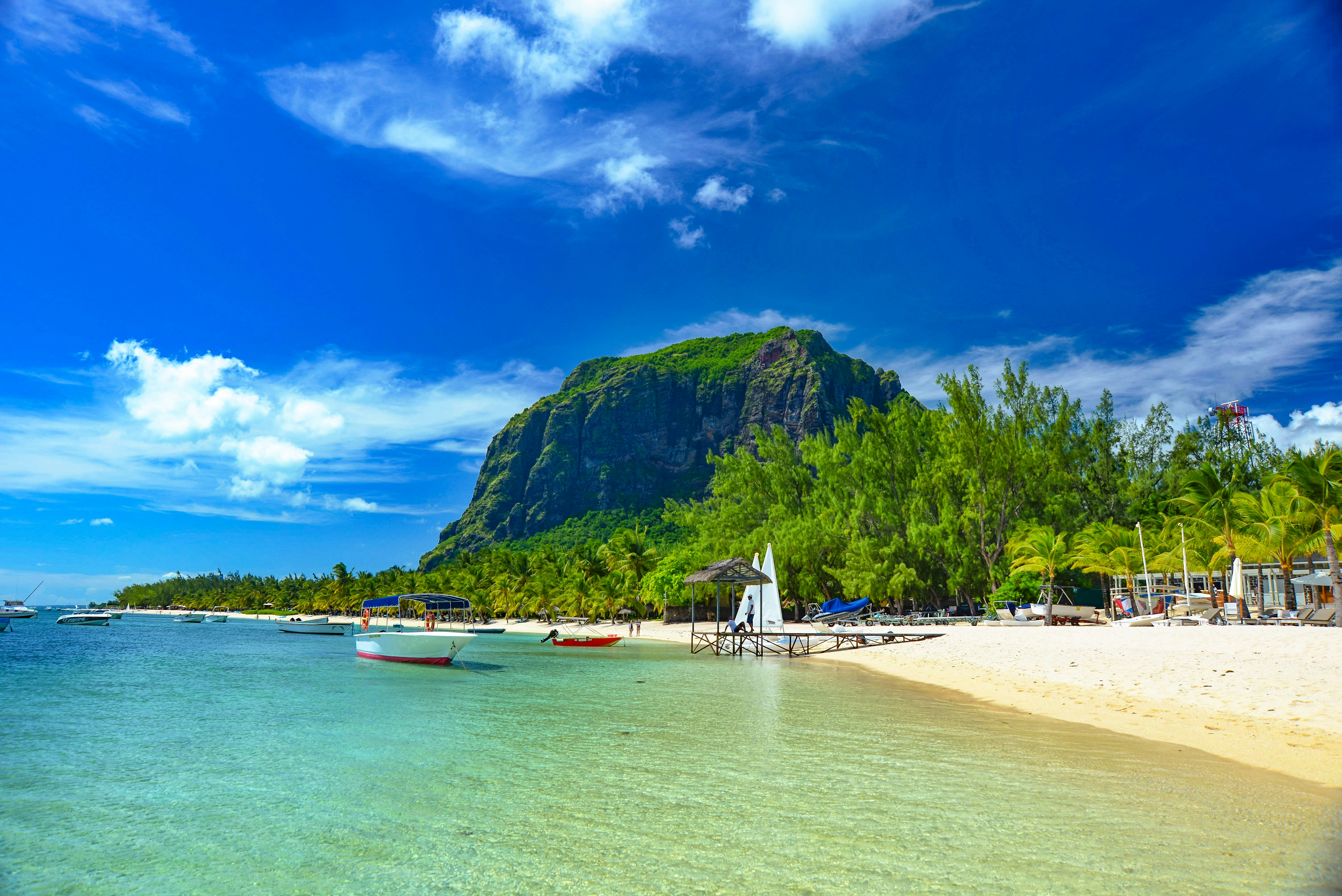
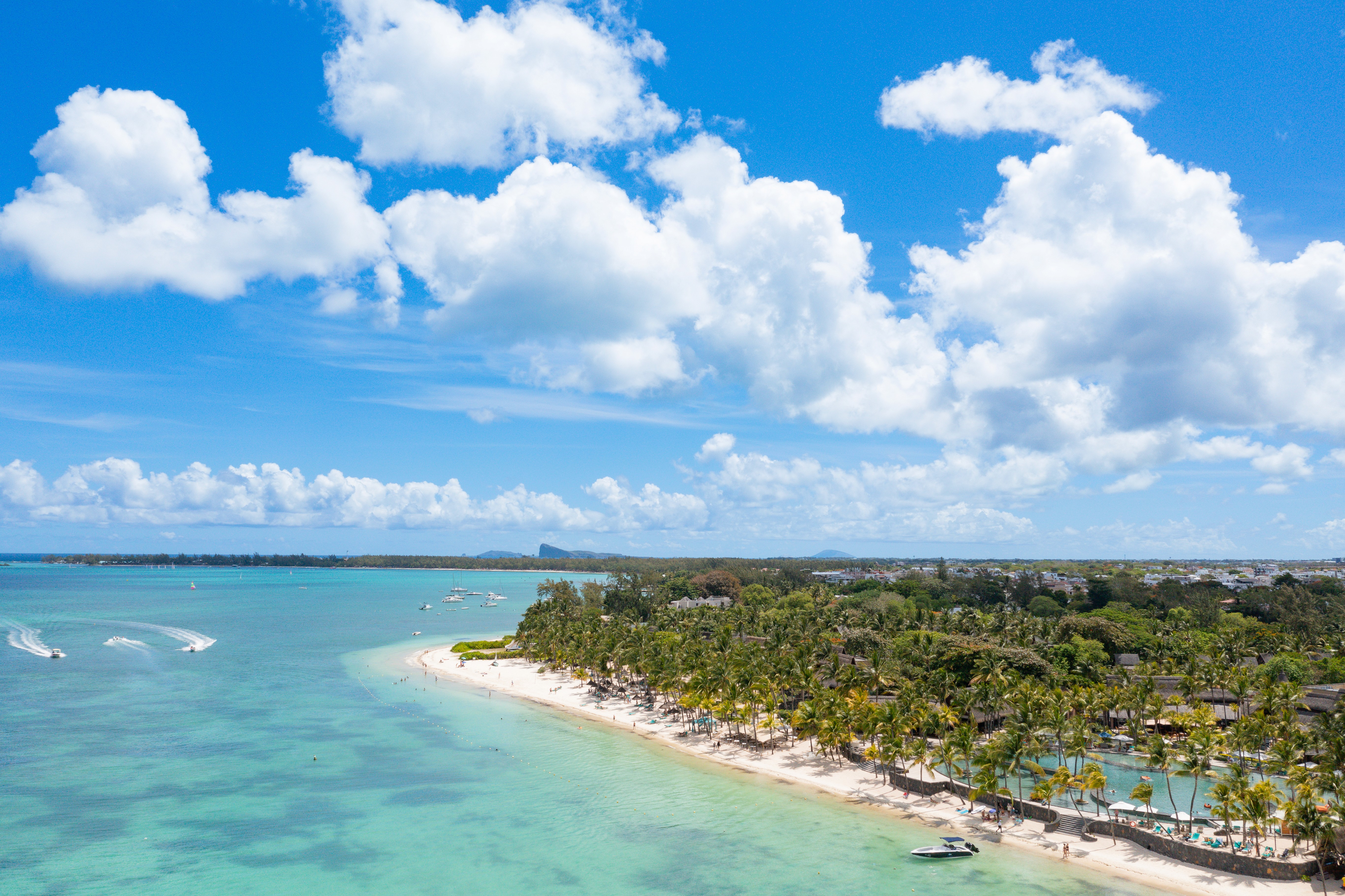
Mauritius, small island nation (2,040 square kilometers) in Indian Ocean east of Madagascar, encompasses remarkable geographical and ecological diversity despite compact size. Pristine beaches with turquoise waters surrounding the island provide water sports opportunities, relaxation, and tropical aesthetics. The Morne Brabant peninsula with dramatic black rock formations rising 556 meters offers hiking adventures and panoramic island views. Central plateau regions showcase tea plantations (Bois Cheri tea factory), sugar cane fields, and temperate climate contrasting coastal tropical heat. This geographical variety—beaches, mountains, temperate plateaus, waterfalls—creates multi-destination experiences within manageable distances.
Seven-colored earth phenomenon (Chamarel geological site), created by volcanic mineral variations producing distinctive colored sand deposits, presents unique geological feature. Tamarin Falls, accessible through jungle hiking, provide natural water pools and lush vegetation encounters. The island's volcanic origins remain visible through black sand beaches, basalt rock formations, and geological features reminding visitors of dynamic earth processes shaping landscape.
The biodiversity, though reduced from pre-human settlement levels, includes endemic species found nowhere else globally—the pink pigeon, Mauritian kestrel, and Mauritius parakeet survive through dedicated conservation efforts. National parks and reserves protect remaining natural habitats; visiting these areas supports conservation initiatives.
Multicultural Harmony: The Mauritian Model
Mauritius represents singular multicultural success story—Hindu majority (52%), Muslim (17%), Christian (28%), and other religious communities coexist peacefully within shared national identity. Public holidays celebrate all major religions (Diwali, Holi, Eid, Christmas), government policies protect minority rights, and intermarriage across communities remains commonplace. This religious pluralism, rare in predominantly single-religion nations, offers lessons in coexistence and mutual respect increasingly relevant in polarized global environment.
The population composition reflects migration history—Hindus arrived as indentured laborers post-slavery abolition; Muslims came through Arab and Indian traders; Christians descended from French colonizers and post-colonial European immigrants; Chinese merchants established trade networks. This diverse heritage shaped contemporary Mauritian identity incorporating elements from multiple traditions. The creole dialect (French-based with English and Indian language influences) symbolizes linguistic synthesis reflecting cultural fusion.
Traditional architecture (colonial houses, Hindu temples, Muslim mosques, Christian churches) coexists peacefully; neighborhoods reflect religious and ethnic communities while maintaining broader national unity. Experiencing this multicultural integration offers Indian travelers perspectives on cultural coexistence models and religious tolerance practices that have maintained stability across generations.
Beaches & Water Activities: Tropical Indulgence
Mauritius's beaches, rimming the entire island, provide endless tropical indulgence—from crowded popular beaches (Grand Baie, Blue Bay) to secluded coves accessible through short hikes. The warm Indian Ocean permits year-round swimming; water sports (surfing, kitesurfing, snorkeling, scuba diving) cater to adventure seekers. Coral reefs surrounding the island support diverse marine life—snorkeling reveals colorful fish, sea turtles, and intricate coral structures. Popular snorkeling sites (Ile aux Cerfs, Blue Bay Marine Park) remain accessible via boat tours from coastal villages.
The island's isolation, protecting marine ecosystems from extensive human exploitation, maintains relatively healthy coral systems and fish populations. Swimming with dolphins (seasonally, December-April), watching sunset from beaches, and experiencing tropical night ambiance contribute to paradise aesthetics tourists expect from island destinations.
A typical beach-focused itinerary involves 4-7 days combining various coastal destinations—a week permits exploring multiple beaches, island excursions, and water activities while maintaining island relaxation aesthetics prioritized by most beach vacation visitors.
Cultural & Heritage Exploration
The Aapravasi Ghat (UNESCO World Heritage Site) documents indentured labor history—colonial-era immigration that brought ancestors of contemporary Hindus to the island. The site preserves buildings, documents, and exhibits educating visitors about coercive labor practices and human resilience transcending exploitation. Visiting permits understanding contemporary Mauritian Hindu communities' historical struggles and achievements transforming exploitation into cultural flourishing.
The Sir Seewoosagur Ramgoolam Botanical Garden, named after Mauritius's first prime minister, preserves tropical plant collections and reflects the island's commitment to botanical knowledge and conservation. The Chamarel Waterfall, Tamarin Falls, and other natural features provide nature immersion balancing cultural sites. A balanced itinerary combines beaches (3-4 days), cultural sites and hiking (2-3 days), and relaxation time permitting full island experience.
Outdoor Adventures: Hiking & Nature Exploration
Le Morne Brabant hiking provides panoramic island views, ocean vistas, and historical context—the mountain represents tragic history where enslaved people who escaped plantations took refuge, ultimately leaping to death rather than returning to servitude. Understanding this painful history while experiencing the dramatic beauty cultivates complex emotional responses reflecting island's complex heritage. The challenging hike rewards effort with stunning views and historical gravitas.
Flora & Fauna: Island Ecosystems
Native flora, reduced through habitat destruction, survives in protected reserves. Endemic plants, adapted through thousands of years of isolated evolution, depend on conservation efforts preventing extinction. Bird watching opportunities attract ornithologists; endemic species like the pink pigeon inspire conservation commitment. Understanding that islands' ecological fragility requires careful protection of remaining natural habitats grounds tourism appreciation in conservation ethics.