Beach Selection & Seasonal Timing
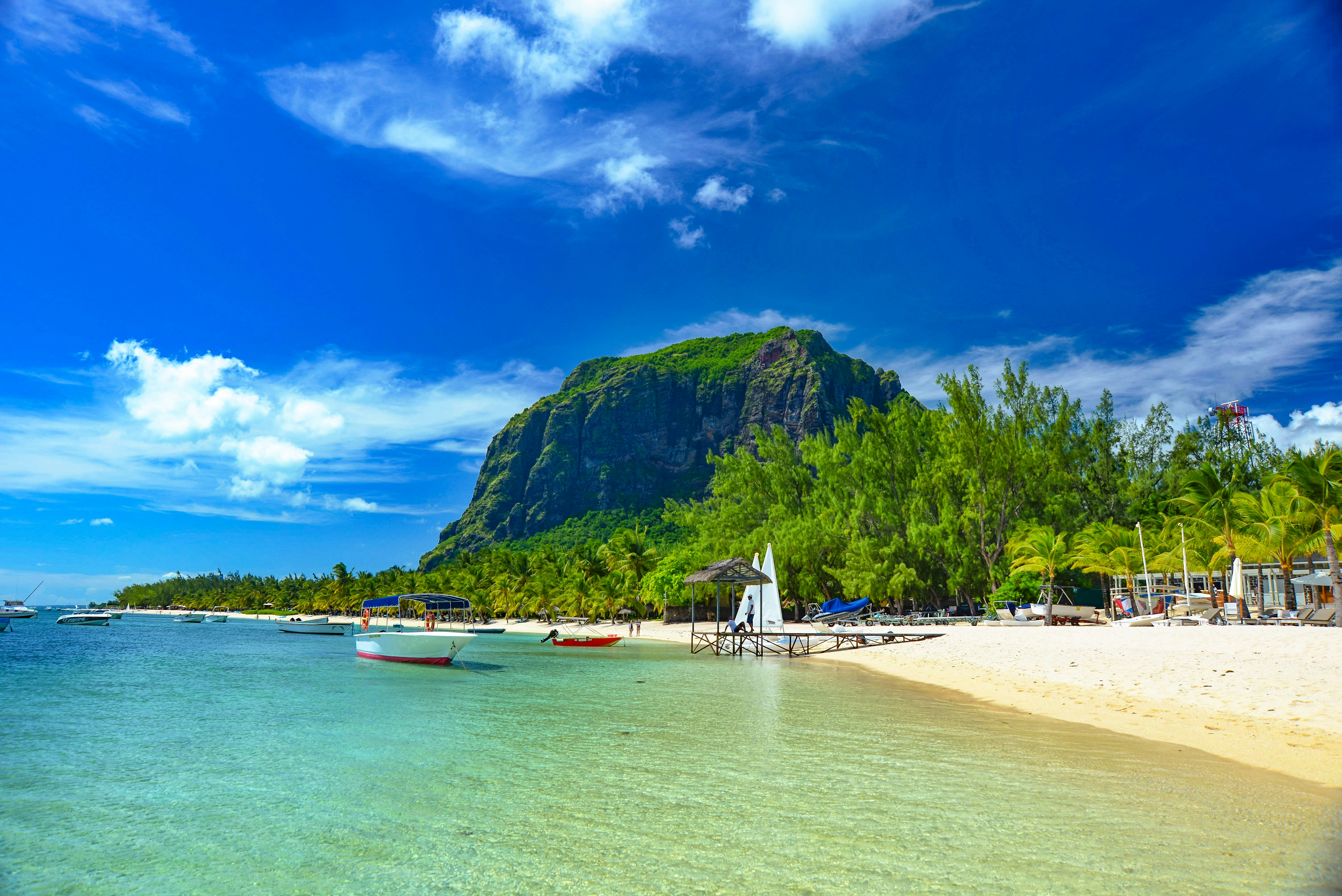
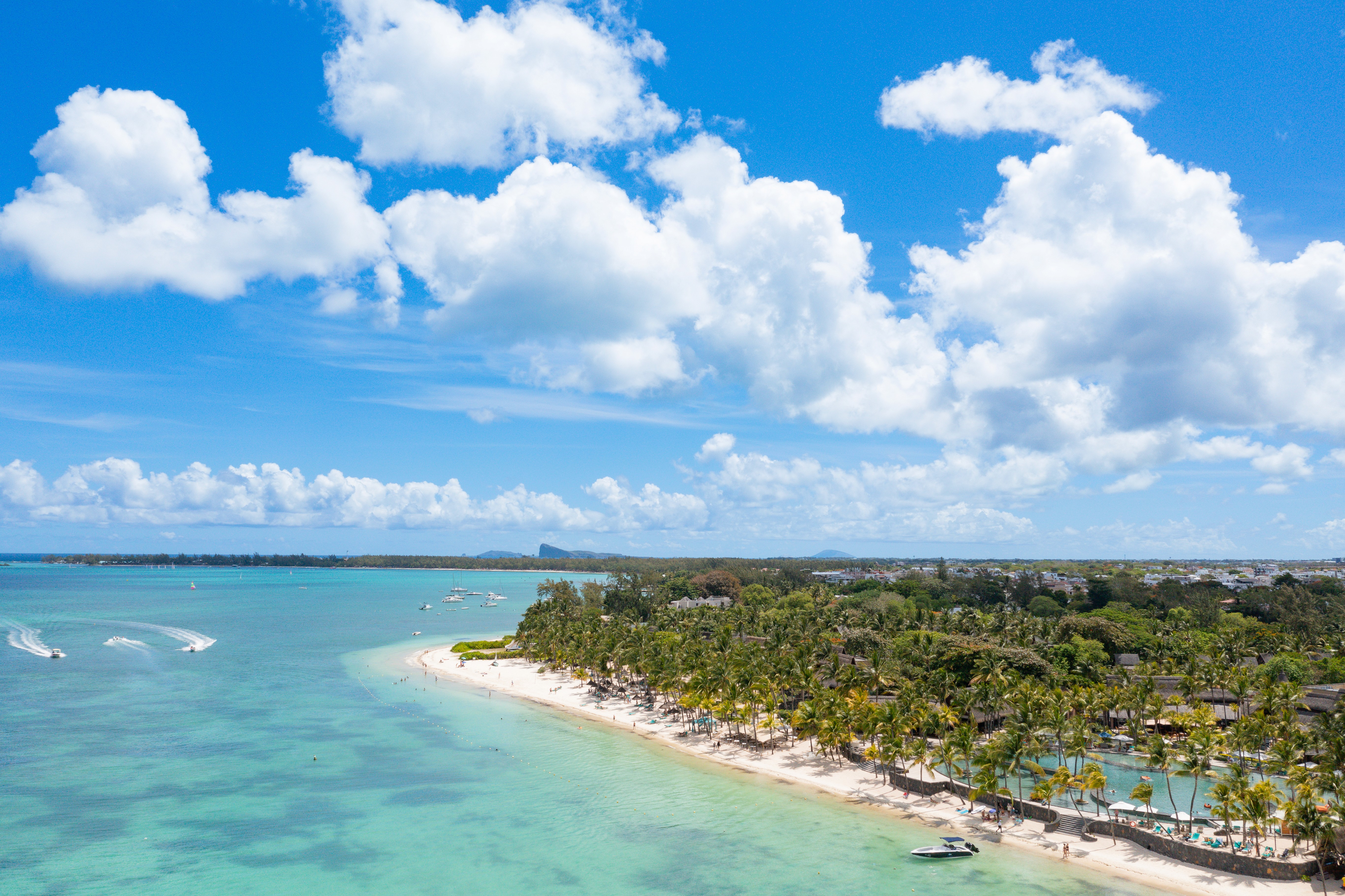
Mauritius's north coast (Grand Baie, Pereybere) offers calm protected waters, numerous water sports, and touristy atmosphere; south coast (Trou d'Eau Douce) provides fishing village authenticity and calmer conditions; east coast (Belle Mare, Palmar) combines beach beauty with fewer crowds; west coast (Flic en Flac) offers sunset views and moderate tourism development. Choosing beaches matching personal preferences permits tailored experiences—party-oriented travelers prefer north coast; solitude-seekers explore south or east coasts; sunset lovers gravitate westward.
Austral summer (December-March) brings warmth and peak tourism; winter (May-September) offers cooler temperatures and fewer crowds though ocean remains swimmable (18-20°C). The cyclone season (November-April) presents theoretical weather risks though direct hits remain infrequent; travel insurance covering cancellation proves prudent. Off-season (April-May, September-October) combines pleasant weather with moderate crowds and reduced accommodation prices.
Public beaches (Grand Baie, Bel Ombre) remain free and accessible; private beaches (hotel-associated) offer amenities but restrict access to guests plus guests' companions. The island accommodates all budgets—beachfront hostels (500-1,000 INR nightly) provide budget options; mid-range hotels (2,000-4,000 INR) offer comfort; luxury resorts (8,000+ INR) provide indulgence.
Food Culture: Culinary Fusion Adventures
Mauritian cuisine synthesizes Hindu, Muslim, Chinese, French, and African culinary traditions creating distinctive flavor profiles. Curries (influenced by Indian traditions but uniquely Mauritian) appear throughout the island; dhol (split peas), roti (flatbread), and samosas represent Indian heritage. Muslim-influenced dishes include biryani and haleem. French boulangeries provide fresh baguettes and pastries. Chinese-origin dishes like fried noodles and char kuey teow remain popular. Street food (gateaux, samosas, satay) provides affordable meals costing 50-150 rupees (30-90 INR).
Seafood, abundant and affordable (100-300 rupees per dish), features prominent in coastal communities—grilled fish, fish curries, and octopus preparations showcase maritime heritage. Fresh tropical fruits (mango, passion fruit, papaya, banana) cost fractions of developed-nation prices. Rum production, dating from colonial sugar cultivation, creates drinking culture—locally-produced rum costs 200-500 rupees per bottle; bars charge 150-300 rupees per drink.
Exploring street markets (particularly in Port Louis) reveals local food culture, permits sampling diverse vendors' specialties, and supports small businesses directly. Restaurant meals cost 400-800 rupees (250-500 INR) for mid-range establishments; tourist areas command premium pricing. Learning basic Creole food-related vocabulary ("saladette" for salad, "bonbon" for dessert) facilitates communication though English functions widely.
Activities: Balancing Beach Relaxation with Exploration
A typical beach-focused week allocates 3-4 days for beach relaxation, snorkeling, and water sports; 2-3 days for hiking (Le Morne Brabant, Tamarin Falls, Chamarel), cultural sites (Aapravasi Ghat, botanical gardens), and tea plantations. Island compactness permits day trips from any coastal location—exploring diverse regions without constant accommodation changes. Hiring car rentals (1,000-2,000 rupees daily) provides independence; public buses (15-40 rupees per journey) offer budget transport though schedules require flexibility.
Water sports (snorkeling, scuba diving, surfing, kitesurfing) cater to various skill levels and interests. Glass-bottom boat tours permit reef viewing without diving. Catamaran cruises combine ocean sailing with swimming and marine life observation. Helicopter tours provide aerial island perspectives. Choosing activities matching interests and budgets creates personalized experiences balanced between adventure and relaxation.
Cultural Respect & Community Engagement
Visiting temples, mosques, and churches (with permission and appropriate dress) permits cultural learning and respect demonstration. Photography of religious sites requires permission; some sacred spaces prohibit photography entirely. Avoiding loud behavior in spiritual settings, removing shoes where required, and maintaining respectful demeanor reflects understanding that religious spaces serve worshippers first, tourists secondarily.
Supporting local businesses, purchasing crafts from community artisans, and eating at family-operated restaurants ensures tourism revenue circulates locally. Avoiding overly bargaining in markets where vendors depend on sales for daily income maintains ethical engagement. Attempting Creole communication (even basic phrases) demonstrates respect and opens doors to authentic interactions.
Health, Safety & Practical Logistics
Tap water remains safe throughout the island; hygiene standards across food establishments generally exceed regional comparisons. Mosquitoes present minimal malaria risk though dengue fever remains theoretical concern—insect repellent and long clothing during dawn/dusk provide reasonable prevention. Travel insurance covering medical care proves prudent; adequate hospitals exist in major towns.
Crime remains minimal relative to global comparisons though petty theft in tourist areas warrants normal urban precautions. Remaining aware of surroundings, securing valuables, and avoiding solo nighttime walks prevent complications. English functions widely throughout the island; Creole remains the primary language though French speakers recognize significant linguistic overlap.
Currency (Mauritian Rupee, approximately 3.5-4 per 1 INR) exchanges at banks and ATMs throughout the island. Credit cards (Visa, Mastercard) work widely; carrying backup cash prevents emergencies. Mobile connectivity proves excellent—local SIM cards (Cheps, Emtel) provide inexpensive data plans. The island operates on UTC+4; no daylight saving occurs.
Environmental Responsibility: Protecting Island Paradise
Choosing responsible tour operators supporting conservation, avoiding single-use plastics (island environments particularly vulnerable to plastic pollution), and declining unethical activities (animal feeding, captive wildlife facilities) demonstrate commitment to preserving natural assets. Coral reef health depends on tourist restraint—avoiding touching corals, maintaining safe snorkeling distances, and limiting reef visitation to sustainable levels protects marine ecosystems underlying island economy.
Practical Itinerary Planning: 7-10 Days
A comprehensive Mauritius experience: arrive Port Louis area (1 day orientation), explore northern beaches (2-3 days), trek Le Morne Brabant and explore central highlands (1-2 days), visit south coast (1 day), explore east coast (1 day), enjoy final beach relaxation or water sports (1-2 days). This itinerary balances beach focus with cultural exploration and nature adventures, permitting varied experiences within week-long frame.