Island Isolation: Geographic & Cultural Perspective
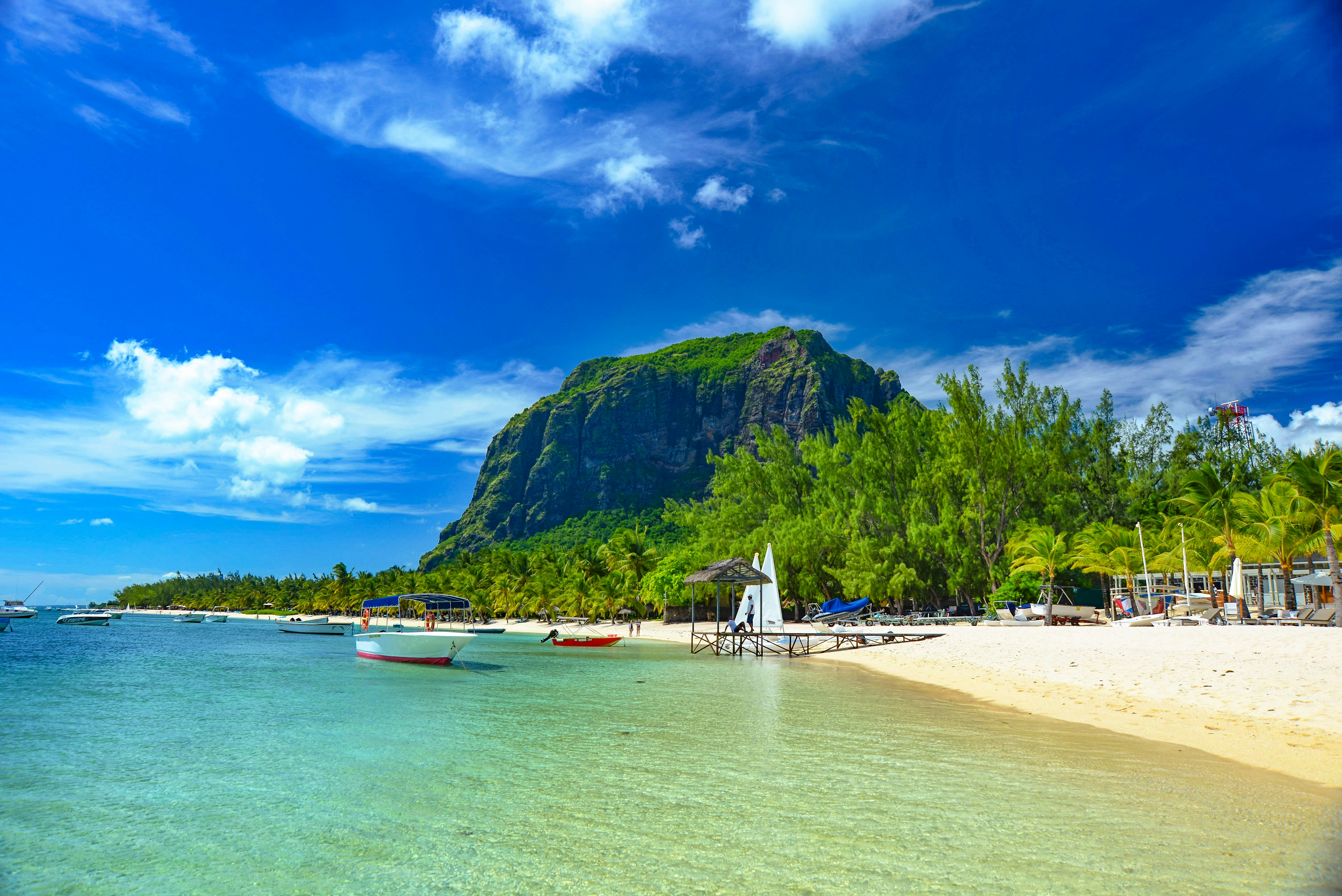
Mauritius's Indian Ocean isolation—east of Madagascar, northeast of Reunion, situated roughly 900 kilometers from nearest continental landmass—creates island microcosm where ecosystems evolved independently for millions of years. This isolation permitted development of endemic species found nowhere else globally; when humans arrived (Dutch explorers 1598, French colonizers 1638, British seizure 1810), introduced species devastated native flora and fauna. The dodo bird, symbol of human-caused extinction, inhabited Mauritius before colonial arrival; eradication within 50 years represents tragic illustration of human impact on vulnerable island ecosystems.
This geographical isolation paradoxically creates conditions enabling multicultural integration impossible in continental contexts. The island, too small for distinct territorial/cultural regions, required coexistence from inception. Unlike larger nations where distinct communities occupy separate territories, Mauritius forced cultural synthesis—Hindus, Muslims, Christians, and others sharing villages, neighborhoods, and workplaces from colonial times onward. This proximity enabled understanding, intermarriage, and shared national identity transcending religious divisions.
Contemporary Mauritius demonstrates that geographical isolation, while environmentally vulnerable, doesn't necessitate cultural insularity. Instead, island societies, dependent on external trade and immigration, naturally develop cosmopolitan characteristics valuing international engagement. The island's success as multicultural nation partly reflects geographic necessity rather than exceptional virtue—survival required peaceful coexistence.
Economic Development: Stability & Prosperity Model
Mauritius represents African development success story—stable governance, economic diversification, and democratic institutions created prosperity rare on the continent. Post-independence (1968), leadership invested in education, diversified sugar-dependent economy toward tourism and financial services, and maintained political stability. Current development includes education rankings exceeding many developed nations, unemployment below 6%, and per capita GDP approaching 10,000 USD—remarkable achievements for island nation with limited natural resources.
The governance model, emphasizing inclusive institutions, minority rights protection, and rule of law, provides lessons for developing nations attempting sustainable development. Corruption remains minimal relative to regional comparisons; police and judiciary function professionally; government transitions occur peacefully through democratic processes. This stability, foundational for economic growth and foreign investment, demonstrates that developing nations needn't accept corruption or instability as inevitable.
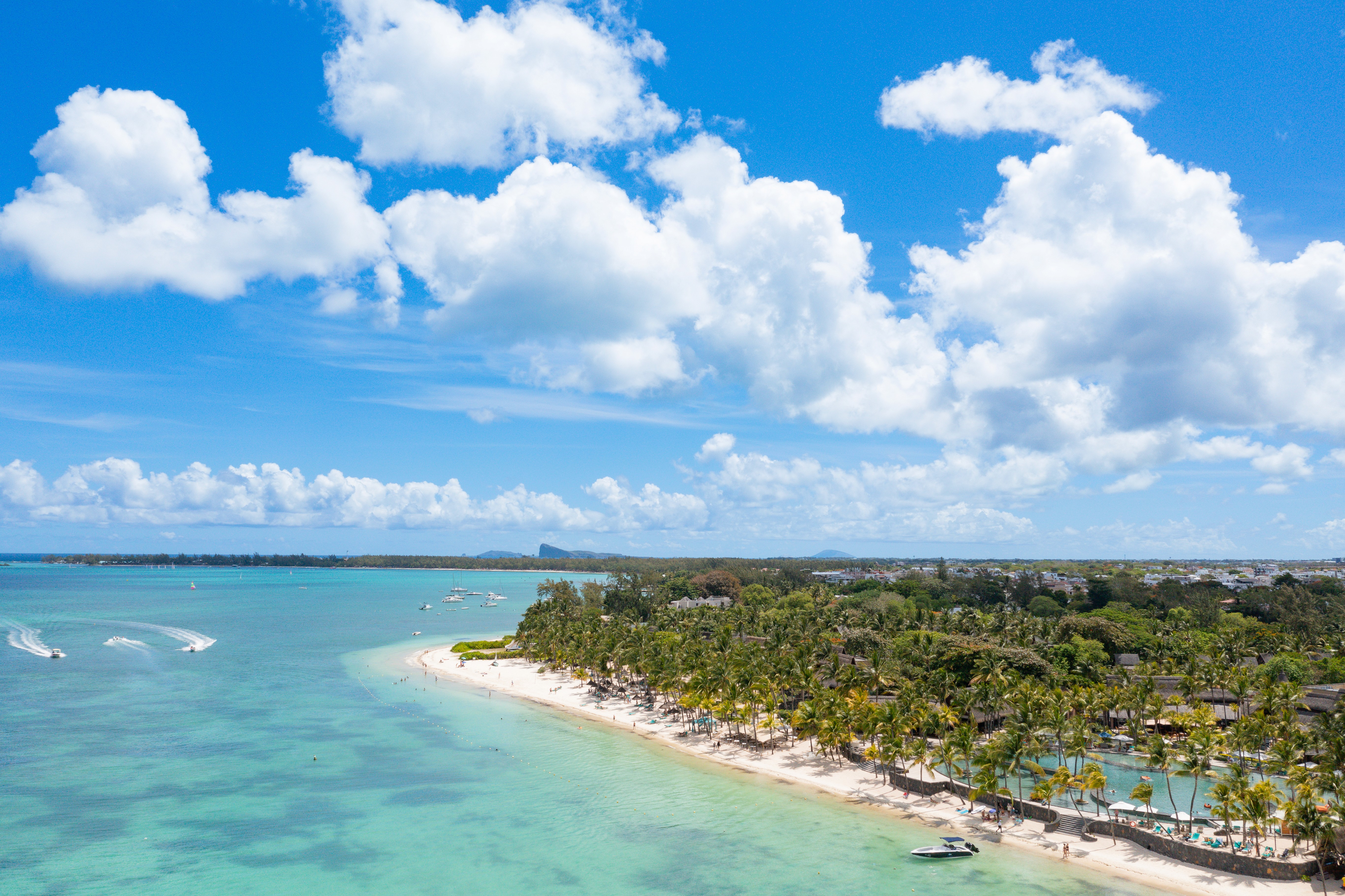
The tourism industry, though economically crucial, remains carefully managed through environmental regulations and controlled development. The island limits casino proliferation, maintains environmental standards, and refuses to sacrifice natural assets for short-term revenue. This deliberate balance between economic development and environmental preservation offers lessons to other tourism-dependent nations pressured to prioritize growth over sustainability.
Cultural Synthesis: Beyond Multicultural Coexistence
Mauritius transcends mere multicultural coexistence toward genuine cultural synthesis—cuisine incorporates Hindu vegetarian dishes, Muslim halal preparations, French culinary traditions, and African cooking methods into distinctive Mauritian food culture. Religious festivals (Diwali, Eid, Christmas) receive national celebration with governmental support and public holidays. Intermarriage rates demonstrate that distinct communities overlap increasingly; younger generations identify primarily as Mauritian rather than through ethnic/religious categories.
The creole language, emerging from French-African-Indian linguistic fusion, symbolizes this synthesis—it belongs entirely to Mauritius, understood equally by all communities regardless of ethnic background. Speaking creole represents shared national identity; the language's development demonstrates organic cultural integration transcending top-down multicultural policies.
This successful integration offers counterpoint to global polarization increasingly dividing societies along ethnic and religious lines. Mauritius proves that diverse communities needn't experience permanent conflict—shared economic interests, deliberate inclusion policies, and time permit building societies where diversity strengthens rather than weakens national fabric.
Environmental Consciousness: Island Vulnerability
Island ecosystems, particularly small islands like Mauritius, face extraordinary vulnerability to environmental change. Rising sea levels (climate change consequence) threaten coastal communities and tourism infrastructure; ocean acidification threatens marine ecosystems underlying fishing and tourism economies; invasive species continue threatening endemic biodiversity. Understanding these vulnerabilities cultivates environmental consciousness—island visitors recognize that ecosystem destruction directly threatens economic prosperity and cultural continuity.
Coral bleaching events (periodic mass die-offs from warming ocean temperatures) affect reefs supporting marine life. Invasive species (aggressive plants, predatory fish, disease organisms) continue displacing endemic species despite conservation efforts. The challenges facing Mauritius's natural heritage illustrate broader environmental problems affecting global ecosystems—island microcosms amplify environmental issues affecting entire planet.
Supporting conservation efforts, practicing responsible tourism, and advocating for environmental policies represent meaningful actions tourists can take recognizing island vulnerability and personal role in either preserving or degrading natural systems.
Lessons for Contemporary World
Mauritius offers contemporary lessons increasingly relevant globally: multicultural coexistence proves possible and beneficial; democratic governance combined with inclusive institutions enables prosperity; environmental protection and economic development needn't conflict; tolerance, respect, and shared identity transcend ethnic and religious categories. As global polarization intensifies, Mauritius's successful integration demonstrates humanity's capacity for peaceful coexistence despite difference.
Island Time: Pace & Perspective Shift
Island life naturally enforces pace reduction—surrounded by ocean, limited land area permits less hurried movement; tropical climate discourages intensity; ocean's rhythms dominate temporal awareness more than human schedules. Many visitors report that Mauritius visits inspire lifestyle modifications reducing productivity obsession and prioritizing relaxation, relationships, and contemplation. The island's natural environment encourages perspective shifts valuing quality over quantity, presence over achievement.