The Transformation: Landscapes Reborn & Nature's Reclamation
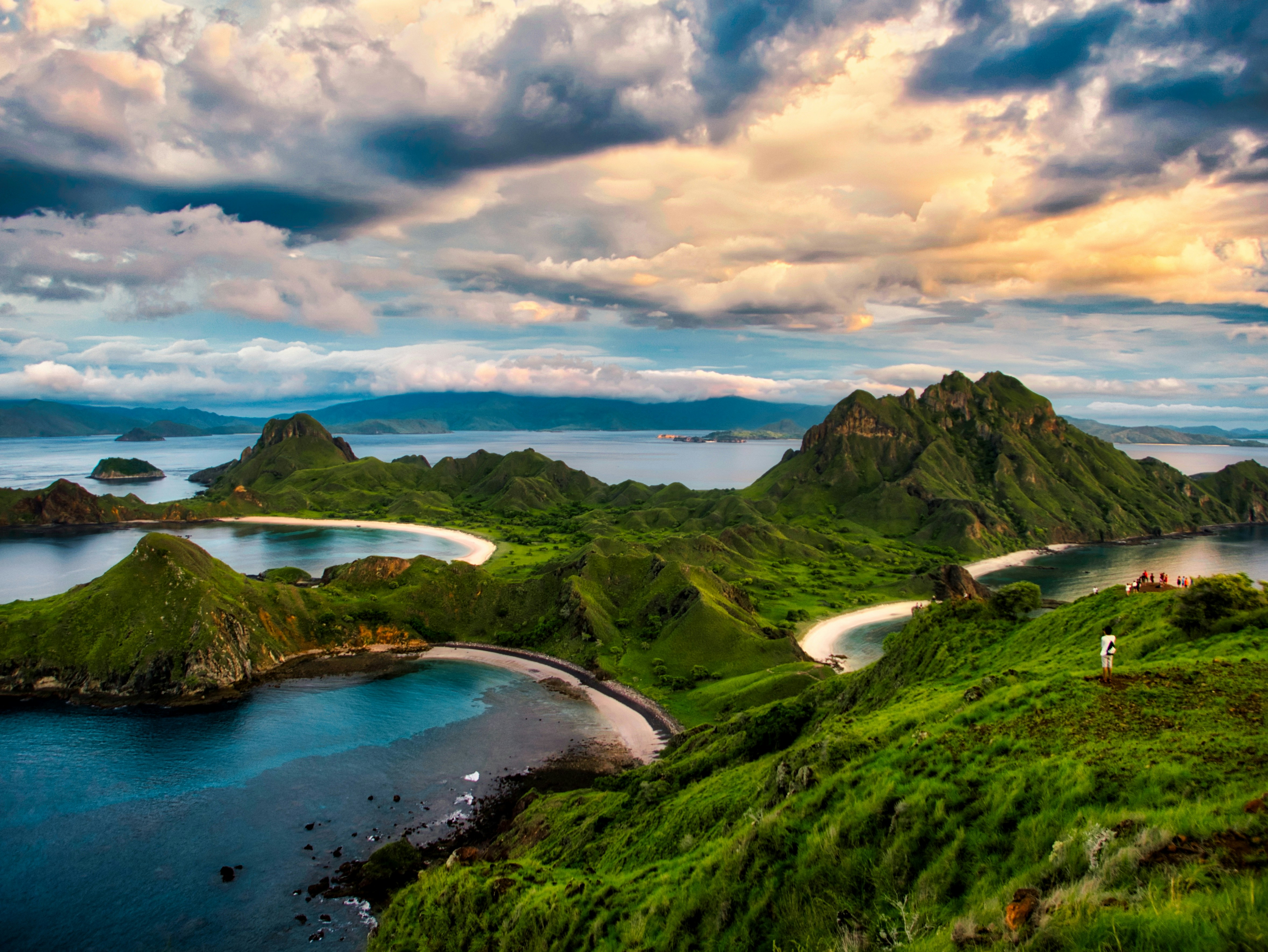
Monsoon season (June through September) transforms Goa's landscape from dry, heat-exhausted terrain into lush, verdant paradise as daily rainfall revives agricultural ecosystems, fills underground aquifers, and creates waterfalls that barely exist during dry seasons. The Western Ghats receive over 200 inches of annual rainfall during monsoon, creating temporary streams, spectacular waterfalls, and green canopies so dense that midday appears twilight, generating mystical forest experiences where sunlight filters through layered vegetation creating perpetual diffused luminescence. Rice paddies transform into mirror-like reflective surfaces, coconut palms appear freshly painted in emerald, and the landscape's color palette deepens dramatically from browns and yellows of dry season into vibrant greens and silvers reflecting cloud-laden skies. This environmental transformation isn't merely aesthetic but represents the ecological foundation supporting India's agricultural economy, wildlife biodiversity, and water security—understanding monsoon's role connects travelers to fundamental forces sustaining human civilization.
Spiritual & Emotional Dimensions: Rain as Renewal & Introspection
Monsoon represents India's spiritual rainy season associated with renewal, fertility, and divine blessing across Hindu, Buddhist, and Islamic traditions, with the season's arrival marking the beginning of agricultural cycles and spiritual observances connected to water's regenerative power. The incessant rainfall creates psychological conditions conducive to introspection, meditation, and slow travel rhythms contrasting sharply with summer's frantic energy and winter's tourism intensity, allowing contemplative engagement with landscapes and communities free from performance pressures accompanying peak season. The sound of rain, the smell of wet earth (petrichor), and the visual transformation of familiar places into unfamiliar terrain create sensory experiences that fundamentally alter consciousness, with many travelers reporting that monsoon journeys feel more spiritually significant than conventional tourism. Yoga retreats and meditation centers throughout Goa offer monsoon specials recognizing the season's psychological alignment with introspective practices, with ashrams and wellness centers explicitly programming retreats during monsoon months.
Practical Advantages: Solitude, Accessibility & Economic Realities
Monsoon travel eliminates crowds, transforming popular beaches into private paradises where you might encounter only handful of locals and occasional fishermen rather than thousands of tourists, enabling authentic village experiences impossible during peak season congestion. Accommodation prices drop 40-60% during monsoon, with hotels offering significant discounts and flexible cancellation policies acknowledging weather uncertainties, meaning travel budgets stretch dramatically further while directly benefiting local communities dependent on seasonal tourism cycles. Infrastructure remains functional despite rain—roads are maintained, restaurants operate normally, public transportation runs on schedule—making monsoon fully viable for prepared travelers willing to embrace weather variations as part of travel's intrinsic unpredictability. The economic reality of monsoon tourism directly supports local communities, with lower volume but steady revenue stream replacing summer's intensive tourism peak, providing more sustainable economic models for communities balancing tourism development with quality of life preservation.
Activities Uniquely Available During Monsoon Season
Dudhsagar Falls achieves maximum volume during monsoon, with the three-tiered waterfall producing dramatic curtains of water and creating rainbows through spray, making the 600-meter descent both spectacular and photogenically challenging in low-light conditions requiring slow shutter speeds and tripod work. Fishing activities intensify during monsoon as marine species move closer to shore, providing opportunities for tourists to accompany fishing boats, learning ancient techniques and understanding the economic pressures contemporary fisherfolk face from industrial trawlers and changing monsoon patterns. Spice plantation tours take on enhanced dimensions during monsoon when plants show active growth, flowers bloom, and agricultural work accelerates with seasonal urgency, allowing visitors to participate in actual farming activities rather than merely observing dormant plantations. Night walks in forests become magical experiences with bioluminescent fungi, increased amphibian activity, and heightened sensory awareness as darkness deepens and rain-dampened earth amplifies all sounds and smells.
Preparation & Mindset Shifts: Embracing Uncertainty & Flexibility
Pack lightweight waterproof jackets, quick-dry clothing, and waterproof bags protecting electronics—these practical preparations prevent discomfort while allowing outdoor activities despite rain, distinguishing weather-preparedness from weather-avoidance. Embrace flexibility rather than rigidity; monsoon plans inevitably shift due to weather, flooding, or transportation delays, and travelers who accept these changes as features rather than frustrations experience profound psychological benefits and unexpected serendipities. Engage with local communities about monsoon—asking farmers about rainfall patterns, fishermen about seasonal fishing shifts, and hotel staff about weather impacts—reveals how deeply monsoon shapes daily life, economic rhythms, and cultural practices in ways tourists typically overlook. Recognize that monsoon represents India's most authentic seasonal experience, with communities orienting entire existence around rainfall patterns, making monsoon travel the deepest possible immersion in how natural forces shape human societies fundamentally and relentlessly.