The Psychology of Mountains: Humility & Perspective Transformation
Mountains possess inherent capacity to diminish human ego through visual confrontation with scales transcending individual significance—standing before Himalayan peaks rising 6,000+ meters, feeling insignificant against geological timeframes spanning millions of years, creates psychological state where personal anxieties become relativized and petty concerns dissolve into cosmic perspective. This humbling process isn't depressing but liberating, with travelers reporting that mountains facilitate psychological resets, emotional releases, and consciousness expansion impossible through conventional urban therapeutic approaches. Himachal's sustained mountain immersion—days spent traversing high passes, nights at monasteries, morning meditations overlooking valleys—creates extended engagement with grandeur that generates lasting perspective shifts. The solitude accompanying mountain travel isn't loneliness but contemplative space where internal dialogue becomes audible and personal truths emerge from the silence that modern life actively suppresses.
Spiritual Traditions: Buddhism, Hinduism & Sacred Mountain Practices
Himachal's mountains served as pilgrimage destinations for millennia, with valleys, passes, and peaks incorporating spiritual meaning within Hindu, Buddhist, and folk traditions that sacralize geography through mythological associations and ritual practices. The Kailash-Mansarovar pilgrimage, though not exclusively in Himachal, represents the archetypal sacred mountain journey where physical ascent mirrors spiritual elevation, making the external landscape simultaneously internal psychological transformation. Buddhist monasteries throughout Himachal continue ancient practices—daily meditation schedules, philosophical study traditions, ritual performances—creating living laboratories where spirituality remains active practice rather than historical artifact. Local communities maintain syncretic traditions blending Hindu and Buddhist elements, reflecting centuries of cultural exchange and mutual influence creating unique religious expressions unavailable elsewhere, making Himachal a place where spirituality remains embedded in daily community life.
Solitude as Therapeutic Practice: Walking as Meditation
Extended mountain walks—multi-day treks through valleys, passes, and high-altitude terrain—create conditions for meditative consciousness where physical exertion, sensory immersion, and environmental grandeur combine to quiet mental noise and facilitate psychological integration. The rhythm of walking, the challenge of maintaining pace on steep ascents, and the satisfaction of reaching elevated vantage points create embodied experiences grounding consciousness in present-moment awareness where anxieties lose grip. Solitude during these walks differs profoundly from urban isolation, with natural environment providing constant engagement—weather changes, wildlife observation, geological formations—preventing despair while supporting psychological spaciousness. Travelers report that mountain solitude facilitates memory processing, emotional resolution, and decision-making clarity impossible under normal circumstances, with the extended disconnection from digital technology and social obligations creating mental conditions supporting genuine psychological work.
Aesthetics of Emptiness: Landscape Appreciation & Photography
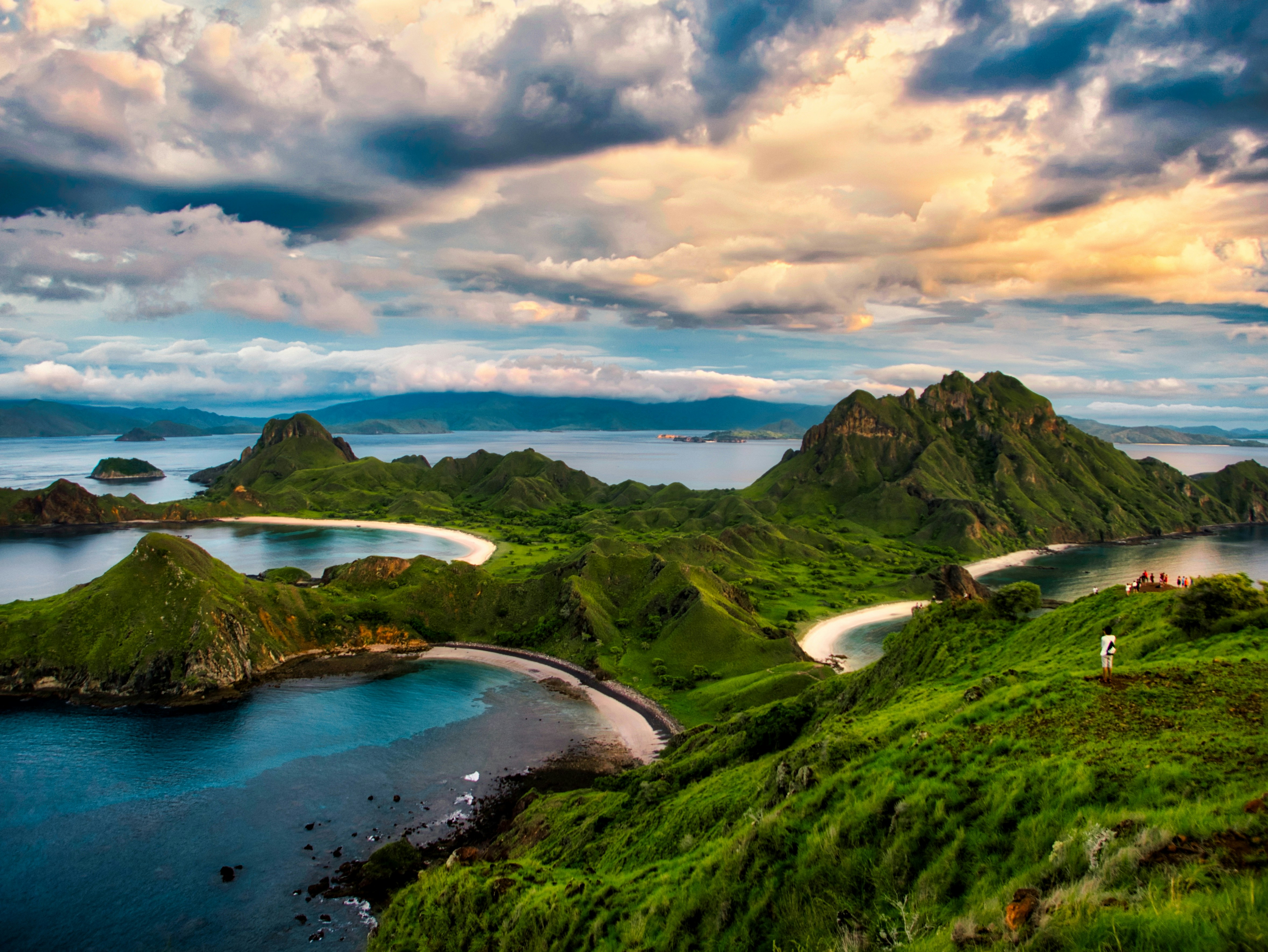
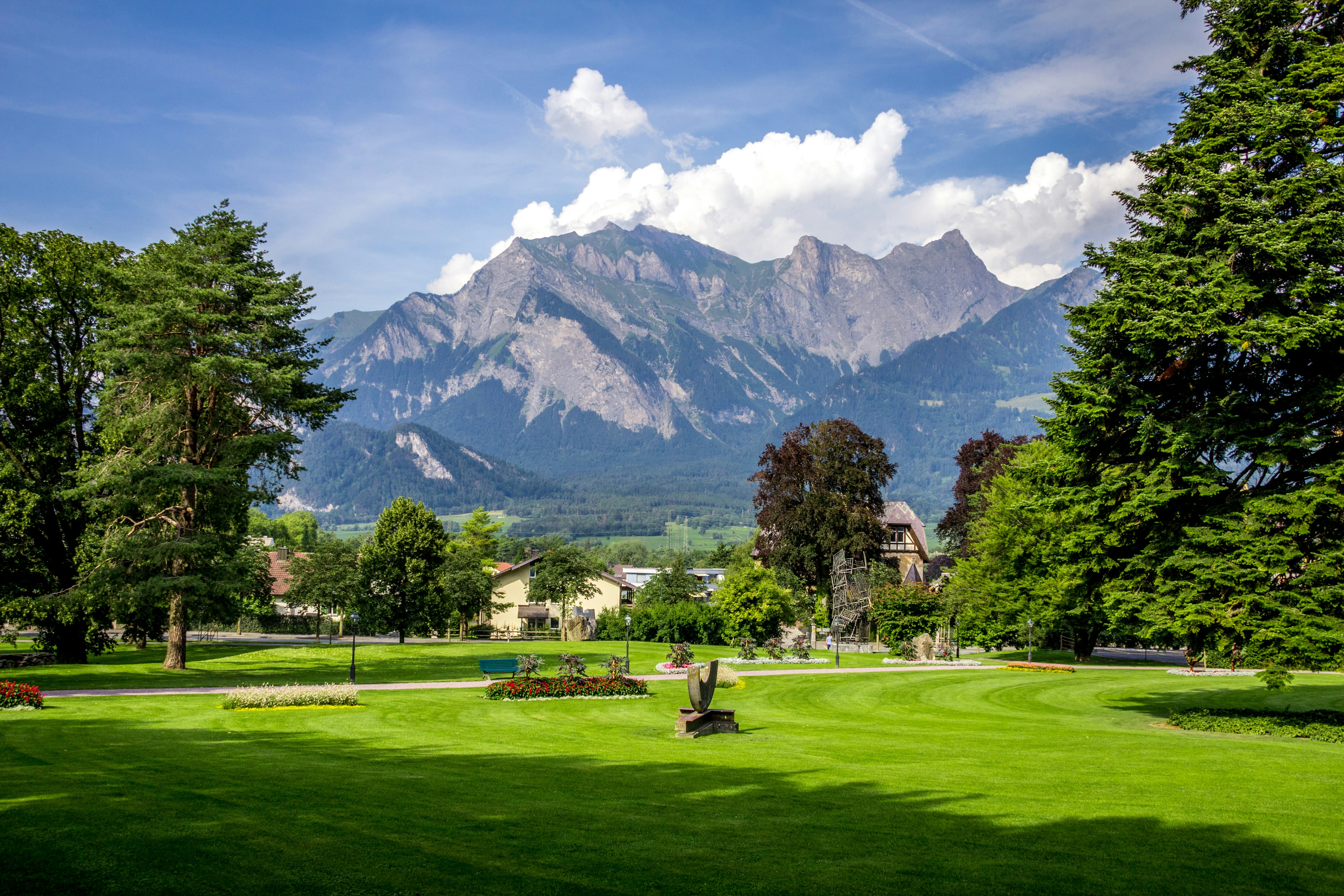
Himachal's landscapes offer aesthetic experiences combining dramatic visual impact with emotional resonance—high passes framed by surrounding peaks, valleys carpeted with wildflowers, ancient monasteries silhouetted against sunset skies—creating photography opportunities that feel spiritually charged rather than merely technically interesting. The aesthetic emptiness of high-altitude deserts, with minimal vegetation and sparse human presence, creates visual clarity impossible in densely vegetated or populated regions, allowing perception of distant landscapes with crystalline precision. Sunrise and sunset hours amplify mountain aesthetics through light transformations that make familiar landscapes unrecognizable and dreamlike, encouraging photographers to abandon documentary impulses and embrace sensory immersion over technical precision. The challenge of capturing mountain beauty photographically often leads photographers toward artistic abstraction—focus on light qualities, color shifts, compositional patterns—rather than literal representation, facilitating philosophical engagement with landscape beyond surface aesthetic appreciation.
Integration & Return: Maintaining Mountain Consciousness in Ordinary Life
The psychological shifts initiated by mountain solitude require conscious integration upon return to normal life, with travelers reporting that urban re-entry often triggers re-emergence of anxieties previously transcended, necessitating practices maintaining mountain consciousness amid daily distractions. Meditation practices initiated during mountain retreats continue providing psychological benefits if sustained post-travel, with daily practice maintaining perspective shifts and emotional clarity achieved through extended mountain immersion. Journaling during travel and afterward facilitates integration by creating narrative continuity between mountain experiences and ordinary life, documenting insights and commitments to behavioral changes inspired by mountain consciousness. Recognizing that mountains represent psychological destinations rather than mere geographical locations encourages ongoing engagement with landscape—through nature walks, meditation practice, or philosophical reflection—maintaining the transformative benefits that mountains initiated while functioning within society demanding conventional participation.