Master the Climate: Timing & Heat Management Strategies
Rajasthan's summer temperatures exceed 45 degrees Celsius, creating dangerous conditions for unprepared travelers; November through February provides ideal conditions with comfortable daytime temperatures (15-25°C) and cool nights requiring light blankets. Plan your itinerary around heat patterns—visit outdoor sites like forts and palaces during early morning (6-9 AM) and late afternoon (4-7 PM), avoiding midday exposure when heat becomes life-threatening and dehydration occurs rapidly. Drink 3-4 liters of water daily (more during summer), consume electrolyte-rich beverages like buttermilk or coconut water to replace salts lost through perspiration, and wear lightweight cotton clothing in light colors that reflect rather than absorb heat. Applying sunscreen (SPF 50+) every two hours, wearing wide-brimmed hats and UV-protective sunglasses, and seeking shade during peak sun hours prevents heatstroke and dehydration that can derail entire trips and create serious health complications.
Navigate Cultural Spaces with Informed Respect & Appropriate Behavior
Remove shoes before entering temples, mosques, and sacred spaces, carrying them or using provided shoe racks rather than wearing them throughout holy sites; this simple gesture demonstrates respect for beliefs different from your own and prevents offending local communities. Dress conservatively—avoid revealing clothing, short skirts, and sleeveless tops that violate social norms and mark you as culturally insensitive, with lightweight full-length pants and long-sleeved shirts providing both climate adaptation and cultural respect. Photography inside active temples during rituals is often prohibited; ask permission before photographing people, sacred objects, or ceremonies, understanding that some communities believe photography captures spiritual energy or violates privacy. Women travelers should avoid walking alone late at night, travel in groups when possible, and dress conservatively to minimize unwanted attention; male travelers should respect women's spaces and avoid intrusive behavior toward female travelers or locals.
Master Street Food Safety Without Missing Culinary Adventures
Street food authenticity often correlates with safety when vendors maintain high turnover (popular stands = fresh ingredients) and prepare food in your presence, allowing you to witness hygiene standards and ingredient quality. Observe local eating patterns—where crowds of Rajasthani families gather, food is reliably safe since locals have no tolerance for substandard preparations affecting their families. Avoid pre-cut fruits, uncooked vegetables, and foods prepared hours in advance, prioritizing hot, freshly cooked items like dal-baati-churma, gatte ki sabzi, and laal maas that reach high cooking temperatures eliminating bacterial threats. Carry oral rehydration salts and light digestive aids (imodium) for inevitable minor stomach adjustments, accepting that your gut bacteria may need several days acclimating to regional foods; this isn't a sign of poor food quality but normal adaptation to unfamiliar microbial environments.
Transportation Wisdom: Dealing with Distances & Road Conditions
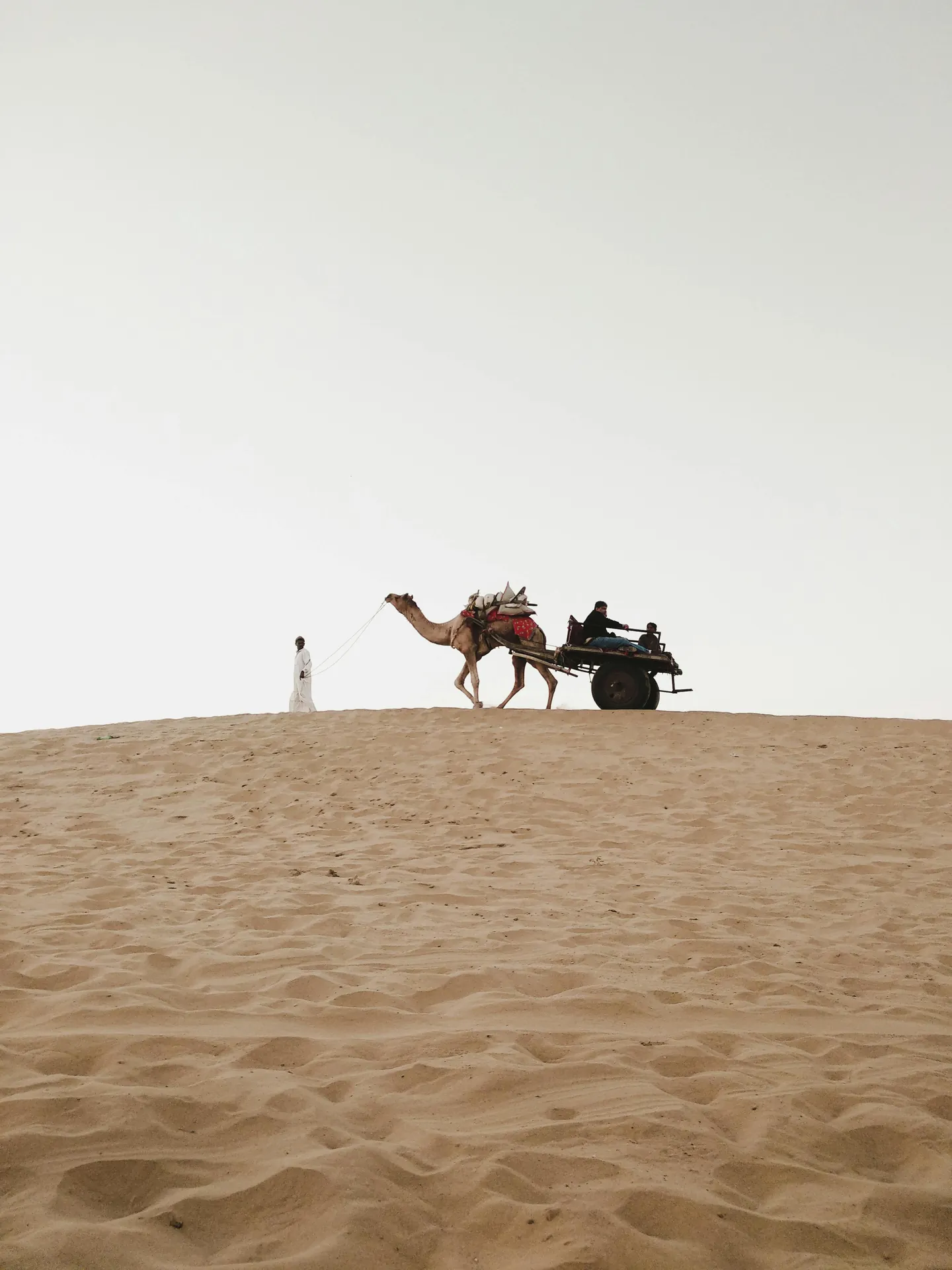
Rajasthan covers vast distances (Delhi to Jaipur: 240 km, Jaipur to Jodhpur: 350 km) requiring 5-7 hours driving, making overnight travel by train a smart alternative that saves accommodation costs while covering ground efficiently. Private hired drivers (2,500-4,000 rupees daily) provide safety, flexibility, and insider knowledge unavailable through taxis or personal driving, with experienced drivers knowing back roads avoiding congestion and predicting road conditions affecting arrival times. Accept that traffic delays, weather disruptions, and mechanical issues will alter planned schedules; maintaining flexibility prevents frustration while creating space for spontaneous discoveries unavailable through rigid itinerary adherence. Travel during daylight hours when possible—night driving on Indian highways carries significantly elevated risks from unlit vehicles, livestock crossings, and construction hazards requiring heightened alertness.
Heritage Site Navigation: Avoiding Crowds & Maximizing Authenticity
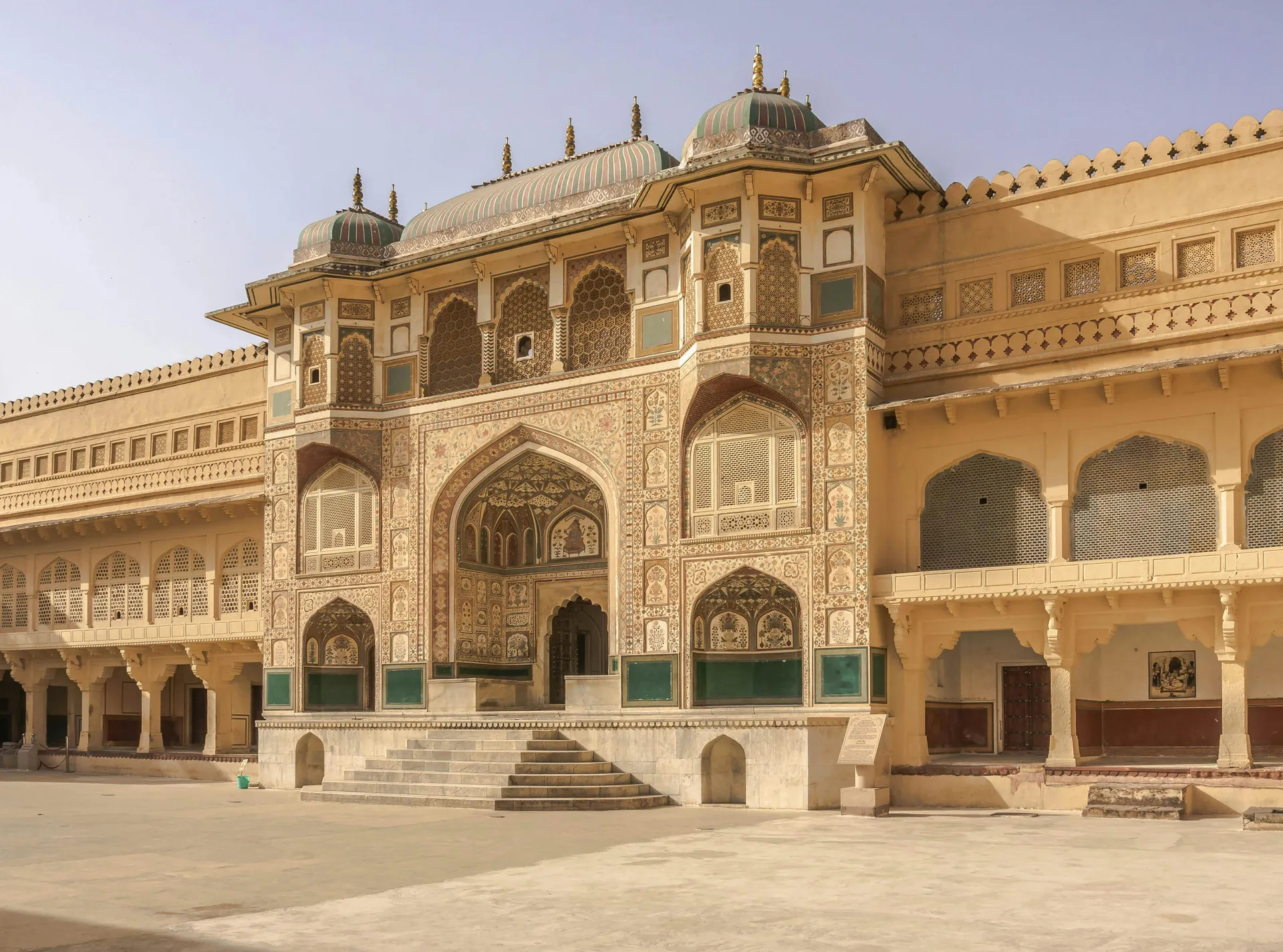
Book sunrise visits to major forts (Mehrangarh, Kumbhalgarh, Chittorgarh) through your hotel or private guides rather than joining organized tours; arriving before 8 AM ensures minimal crowds, optimal photography light, and opportunities for contemplative experiences without constant tourist congestion. Hire local guides at major sites (200-500 rupees) who provide deeper contextual knowledge than guidebooks, sharing stories about rulers, architectural decisions, and local legends that transform passive sightseeing into active learning. Visit lesser-known alternatives to famous destinations—Neemrana Fort-Palace instead of just major Jaipur attractions, smaller step-wells near Jodhpur, family-run havelis offering homestay experiences rather than only commercial heritage hotels. This approach distributes tourism benefits beyond established circuits while providing more authentic experiences and supporting smaller communities dependent on alternative tourism revenue.
Budget Smart: Maximizing Experiences While Respecting Local Economies
Haggling at markets and with street vendors is culturally expected but should be done respectfully, accepting initial prices as opening positions rather than inflated fraud attempts; experienced travelers settle around 20-30% below asking prices after brief negotiation showing genuine interest in purchases. Support small family businesses, village artisans, and local guides rather than international hotel chains and organized tours; this direct economic benefit creates measurable community impact while establishing personal relationships that enrich travel experiences beyond mere transactions. Negotiate driver rates, accommodation prices, and guide fees directly rather than booking through agents who take commissions, understanding that direct payments support families more effectively than intermediary arrangements. Budget 3,000-5,000 rupees daily per person for comfortable mid-range accommodation, local food, transportation, and entrance fees in Rajasthan, with careful planning enabling significant savings through advance bookings and genuine local engagement.