Kathmandu: Ancient Temples & Mountain Gateway
Kathmandu, Nepal's chaotic heart, combines ancient temple complexes, bustling bazaars, and spiritual seekers from worldwide into singular urban experience. Pashupatinath Temple, Hinduism's holiest site honoring Shiva, spreads across slopes above sacred Bagmati River where cremation ghats continue millennia-old death rituals—witnessing respectful cremation ceremonies (photography strictly prohibited) connects visitors to cycle of life and death fundamental to Hindu philosophy. Boudhanath Stupa, world's largest Buddhist stupa, radiates peaceful spirituality with pilgrims circumambulating the white dome while prayer wheels spin in wind.
Swayambhunath's hilltop position offers commanding city views and monkey populations that add playful chaos to spiritual atmosphere. The old bazaar districts—narrow lanes packed with shops, temples, and street vendors—preserve medieval urban character despite modern pressures. Staying in guest houses within Thamel district places travelers amid budget travel communities while allowing forays into local neighborhoods revealing Kathmandu life beyond tourist corridors.
Kathmandu's food scene ranges from Nepali momos (dumplings) and dal bhat (lentil soup with rice) to Tibetan thukpa (noodle soup) and Indian curries available throughout the city. The culture is intoxicating—prayer bells, incense smoke, ritual chanting, and constant spiritual activity create atmosphere impossible to experience elsewhere, making Kathmandu worth 3-4 days despite initial sensory overload.
Pokhara: Lake Beauty & Mountain Vistas
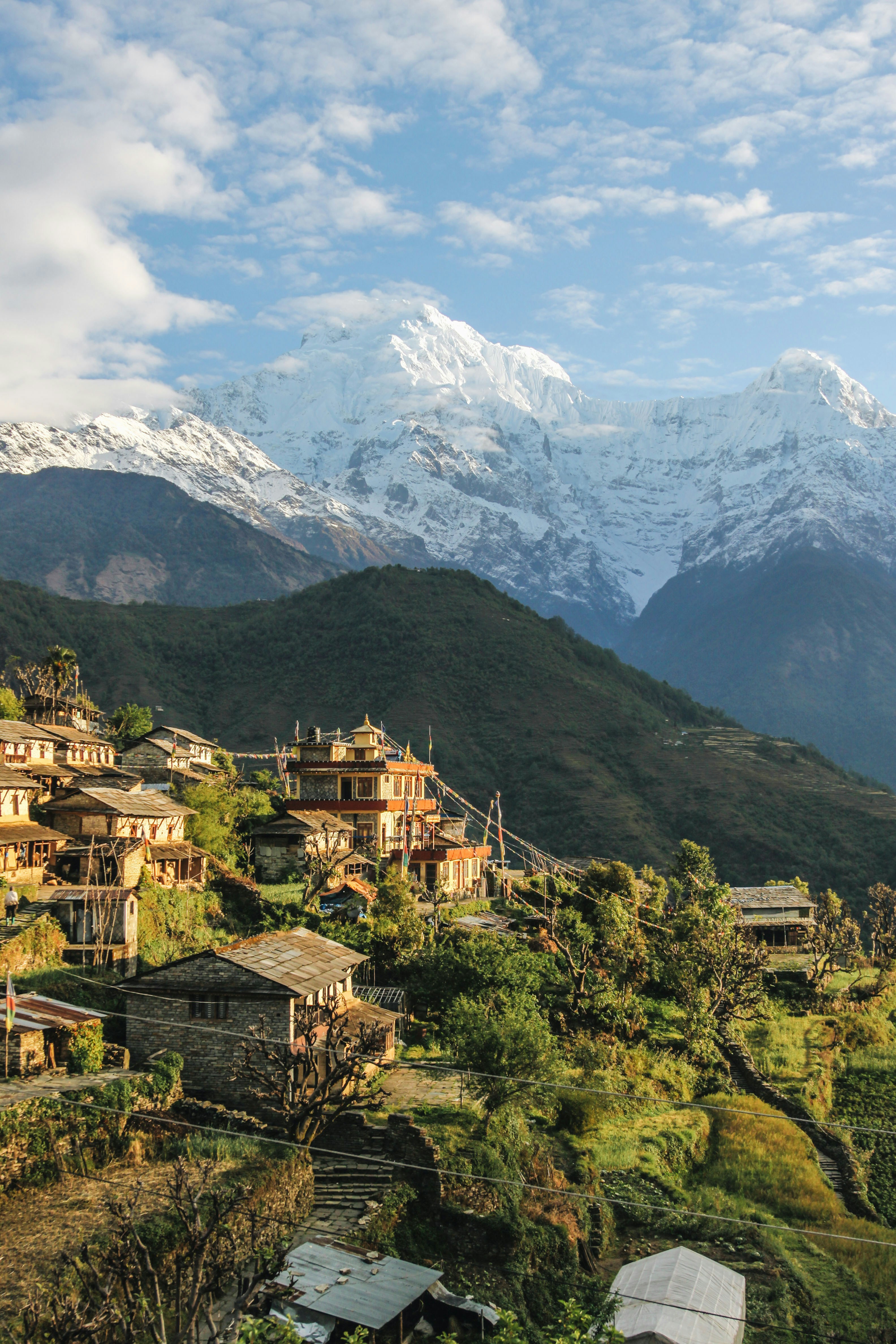
Pokhara, Nepal's second-largest city, provides ethereal contrast to Kathmandu's intensity—positioned on Phewa Lake with Annapurna and Dhaulagiri ranges reflected in still waters during clear mornings. Sunrise views from Sarangkot overlook point, accessible via 1-hour hike from Pokhara, present Himalayan peaks emerging from clouds—memories of this vista sustain travelers through challenging times. The peaceful lake town attracts adventure seekers, paragliders, and spiritual tourists drawn to numerous meditation centers and yoga retreats operating throughout the region.
Pokhara serves as trekking hub for Annapurna circuits, ABC (Annapurna Base Camp), and shorter day hikes through rhododendron forests and Gurung villages. Staying 2-3 days allows acclimatization before high-altitude trekking while permitting exploration of local caves, waterfalls, and nearby communities. The lakeside restaurants, cafes, and guesthouses create more relaxed atmosphere than Kathmandu, allowing genuine respite for travelers experiencing culture shock.
Paragliding over the lake and mountains creates unforgettable sensory experiences—floating above terrain, experiencing absolute freedom, and viewing Himalayan vistas from unprecedented angles transforms perspectives on human capability and natural beauty. The activity, reasonably priced at 3000-5000 INR, includes professional pilots and comprehensive safety measures.
Everest Base Camp Trek: Achieving High-Altitude Dreams
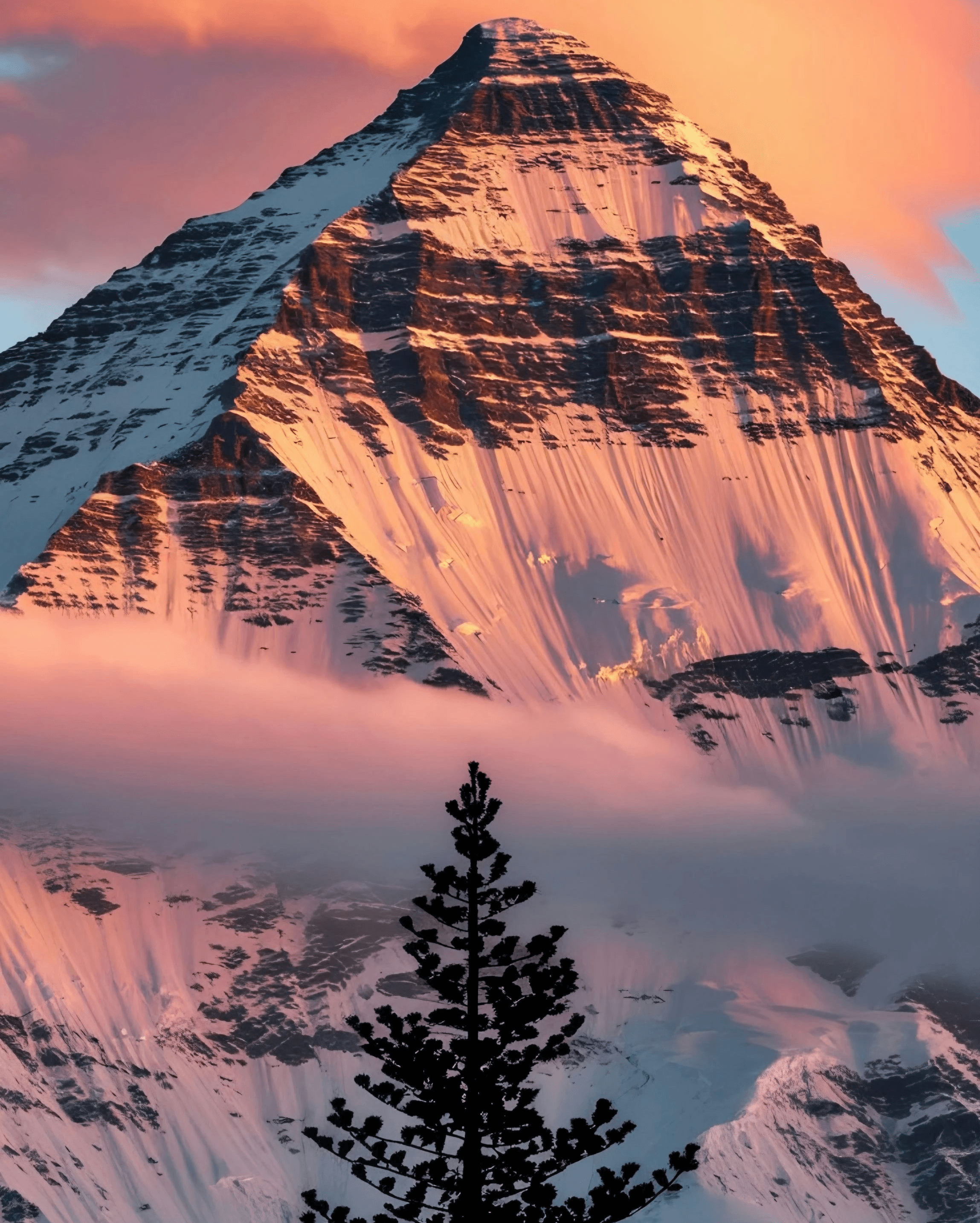
The Everest Base Camp trek, one of world's most iconic mountaineering journeys, covers 64 kilometers across high-altitude terrain reaching 5,364 meters elevation. The trek crosses Sherpa country where local communities maintain ancient traditions despite modernization pressure—staying in basic lodges and dining with Sherpa families provides authentic immersion into mountain culture. Sagarmatha National Park protects rare mountain species, pristine forests, and fragile alpine ecosystems while trekking fees support conservation efforts.
Most trekkers require 12-14 days covering the route, with acclimatization days built into itineraries preventing acute altitude sickness. Starting in Lukla (accessible only via mountain airstrip providing hair-raising flights), trekkers ascend gradually through Sherpa villages, rhododendron forests, and barren alpine terrain. The final approach to Everest Base Camp, though anticlimatic visually compared to higher vantage points, carries profound emotional weight—standing at the mountain's base connects you to mountaineering history and validates months of physical preparation.
Lower-altitude treks through Annapurna regions, Langtang valleys, or Manang provide similar cultural and natural experiences with reduced altitude challenges—Indian travelers unaccustomed to high elevations might prefer these alternatives allowing multi-week explorations without extreme altitude risks. Hiring local guides ensures authentic experiences, distributes tourism income to mountain communities, and provides safety during challenging terrain navigation.
Multi-Region Nepal Circuit: Comprehensive Mountain Experience
A comprehensive Nepal itinerary spans 15-20 days: 3-4 days in Kathmandu exploring temples and bazaars, 3-4 days in Pokhara for acclimatization and Annapurna exploration, 10-14 days trekking Everest Base Camp or alternative high-altitude routes. Alternatively, combining Kathmandu (3-4 days), Pokhara (3-4 days), and Chitwan National Park (2-3 days) for wildlife safaris provides complete Nepal picture balancing mountain, cultural, and wildlife experiences. Budget travelers allocate 2500-4000 INR daily supporting comfortable accommodations and trekking arrangements.
Trekking Basics: Physical Preparation & Safety
Starting trekking with reasonable fitness levels prevents injury and permits full enjoyment—walking 3-5 kilometers daily for weeks requires endurance beyond weekend hiking. Proper footwear (broken-in trekking boots preventing blisters), moisture-wicking socks, and altitude-appropriate clothing matter significantly. Beginning trekking at lower altitudes (Kathmandu 1,300m) and gradually ascending allows physiological acclimatization preventing acute mountain sickness. Hydration, light eating patterns, and rest days support successful high-altitude performance.
Sherpa Communities & Ethical Trekking
Sherpa people, historic inhabitants of high-altitude regions, possess genetic adaptations enabling extraordinary mountain performance. Hiring Sherpa guides supports mountain communities while ensuring safety—these experienced mountaineers understand terrain, weather patterns, and altitude physiology intimately. Fair wages, reasonable workloads, and respectful treatment reflect ethical trekking practices; avoiding exploitative trek operators matters significantly for mountain communities depending on tourism income.