Altitude Acclimatization: Science & Strategy
Acute mountain sickness (AMS) affects roughly 50% of visitors ascending above 2,500 meters without proper acclimatization—symptoms include headache, nausea, fatigue, and sleep disturbance. Prevention involves gradual ascent allowing physiological adaptation: ascending 300-500 meters daily above 2,500 meters, resting one day per week at consistent altitudes, and staying hydrated. Medications like Diamox (acetazolamide) prescribed by doctors before trekking facilitate acclimatization, though side effects (tingling fingers/toes) affect some users.
Listening to your body prevents dangerous high-altitude cerebral edema (HACE) and pulmonary edema (HAPE)—descending immediately if severe symptoms develop saves lives. Porters and guides recognize warning signs; communicating physical experiences allows professional assessment preventing tragedies. The mantra "go high, sleep low" means ascending during days but sleeping at lower altitudes where possible, allowing altitude adjustment without forced descent.
Hydration exceeding daily home consumption (3-4 liters) combats altitude effects—urine color indicates hydration status (pale=adequate, dark=insufficient). Light meals with carbohydrates rather than fats facilitate altitude adjustment. Avoiding alcohol and sleeping pills until acclimatized prevents dangerous interactions with altitude physiology.
Trekking Logistics: Guides, Porters & Pacing
Hiring guides through reputable agencies ensures legitimate credentials, fair compensation, and safety protocols—independent guides require careful vetting but offer more authentic interactions. Hiring porters to carry loads (typically 15-20 kg limits) permits focusing on trekking without physical destruction; porters' modest daily wages substantially affect mountain communities' economies. Treating porters respectfully—using names, ensuring adequate food and rest, and providing tips reflecting your trip quality—embodies ethical trekking principles.
Establishing realistic daily distances prevents injury and exhaustion—10-15 kilometers daily allows physical acclimatization while permitting landscape appreciation. Starting early (6-7 AM) maximizes daylight; afternoon thunderstorms common in monsoon season require shelter before 2-3 PM. Pacing yourself behind guides rather than rushing ahead preserves energy for multi-week expeditions.
Guesthouses along trekking routes provide basic accommodation and meals—dal bhat (lentil soup, rice, vegetables) appears daily at lunch and dinner, supplemented by seasonal vegetables and occasional meat. These simple meals provide necessary calories without dietary restrictions interfering with mountain trekking. Carrying energy-dense snacks (nuts, chocolate, dried fruit, energy bars) supplements mountain meals and provides emergency sustenance.
Mountain Accommodation & Homestay Experiences
Basic teahouses (guesthouses) dot major trekking routes, offering dormitory-style sleeping and communal dining connecting trekkers from worldwide. The social environment—sharing meals, discussing daily experiences, and planning next days with fellow travelers—creates community transcending home-based friendships. Many lifelong friendships originate from mountain teahouse encounters where shared challenge and intimate living foster genuine connections.
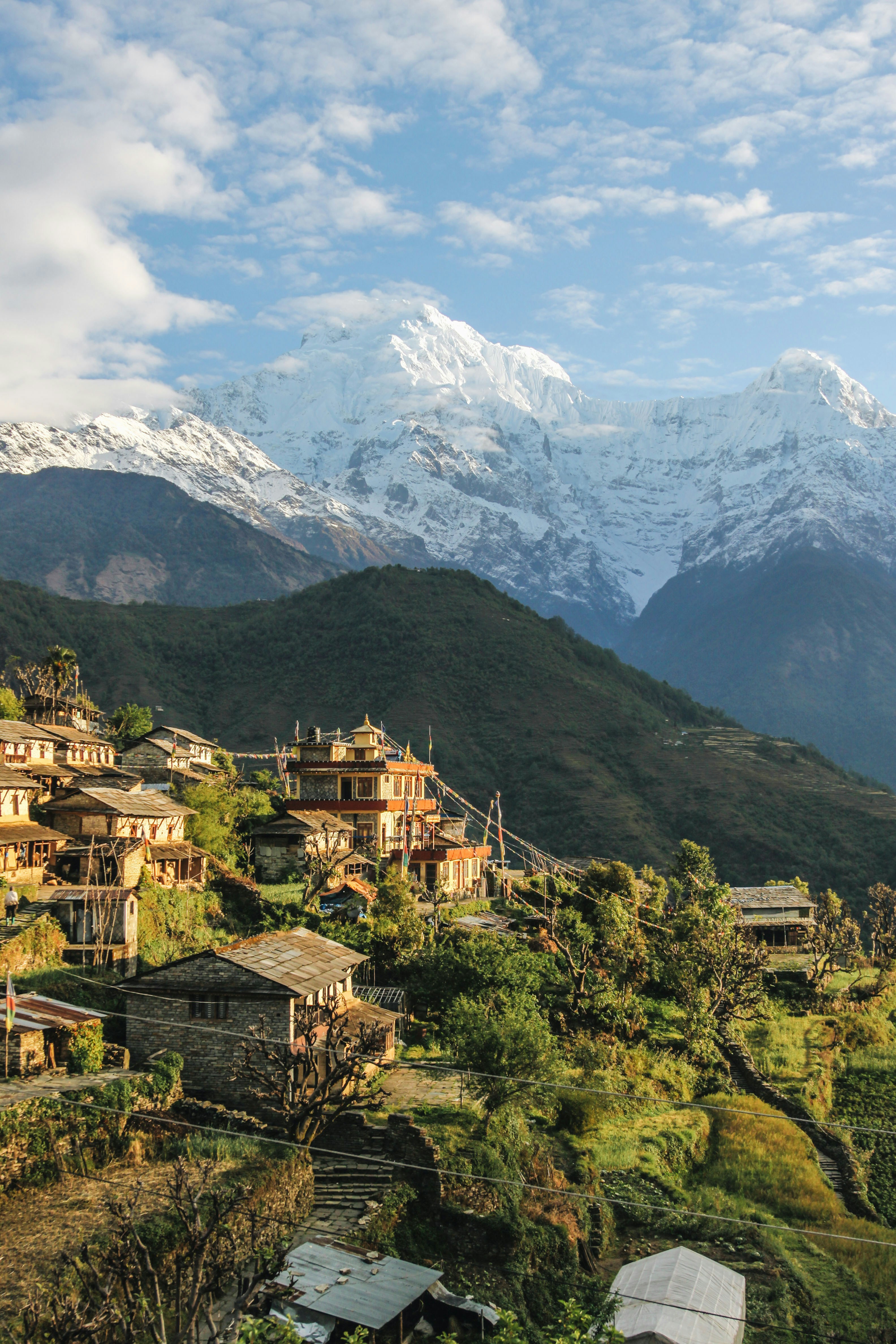
Homestays with Sherpa, Gurung, or Tamang families provide deeper cultural immersion than commercial guesthouses—staying in family homes, eating family-prepared meals, and participating in daily activities reveals mountain life beyond tourism frameworks. Children often speak English and translate between family members; asking about family traditions, farming practices, and local customs creates genuine cultural exchange. Many families welcome visitors returning annually to continue relationships established during initial treks.
Accommodation conditions range from basic (cold water, pit toilets, drafty walls) to surprisingly comfortable depending on location and guesthouse investment. Bringing a lightweight sleeping bag and thermal layers ensures comfortable nights even in poorly heated facilities. Hot showers available in higher-altitude locations require advance ordering and fuel consumption; cold-water washing becomes normality at extreme altitudes where fuel scarcity prohibits heating water luxury.
Food, Water & Health Management
Trekking in Nepal requires vigilance regarding water sources—boiling, purification tablets, or portable filters eliminate waterborne pathogens. Commercial bottled water generates significant plastic pollution; refilling personal bottles at filtered sources proves more sustainable. Diarrhea, while unpleasant, remains temporary for most trekkers; carrying anti-diarrheal medication (Imodium) and electrolyte replacement powders aids recovery.
Vegetarian and vegan diets require advance communication with guides and guesthouse operators—mountain communities embrace plant-based diets as cultural tradition, making accommodation straightforward. Rice, lentils, vegetables, potatoes, and noodles dominate menus, providing adequate nutrition for strenuous trekking. Requesting additional vegetable portions, eggs, and cheese supplements carbohydrate-heavy standard meals.
First aid essentials (blister treatments, adhesive tape, pain relievers, antihistamines) should accompany all trekkers; high-altitude wounds heal slowly. Carrying prescribed medications in original packaging with prescriptions prevents customs complications. Travel insurance covering medical evacuation from remote locations proves essential—helicopter rescue from high altitudes costs 30,000-50,000 INR; comprehensive coverage prevents financial disaster.
Navigation, Permits & Practical Logistics
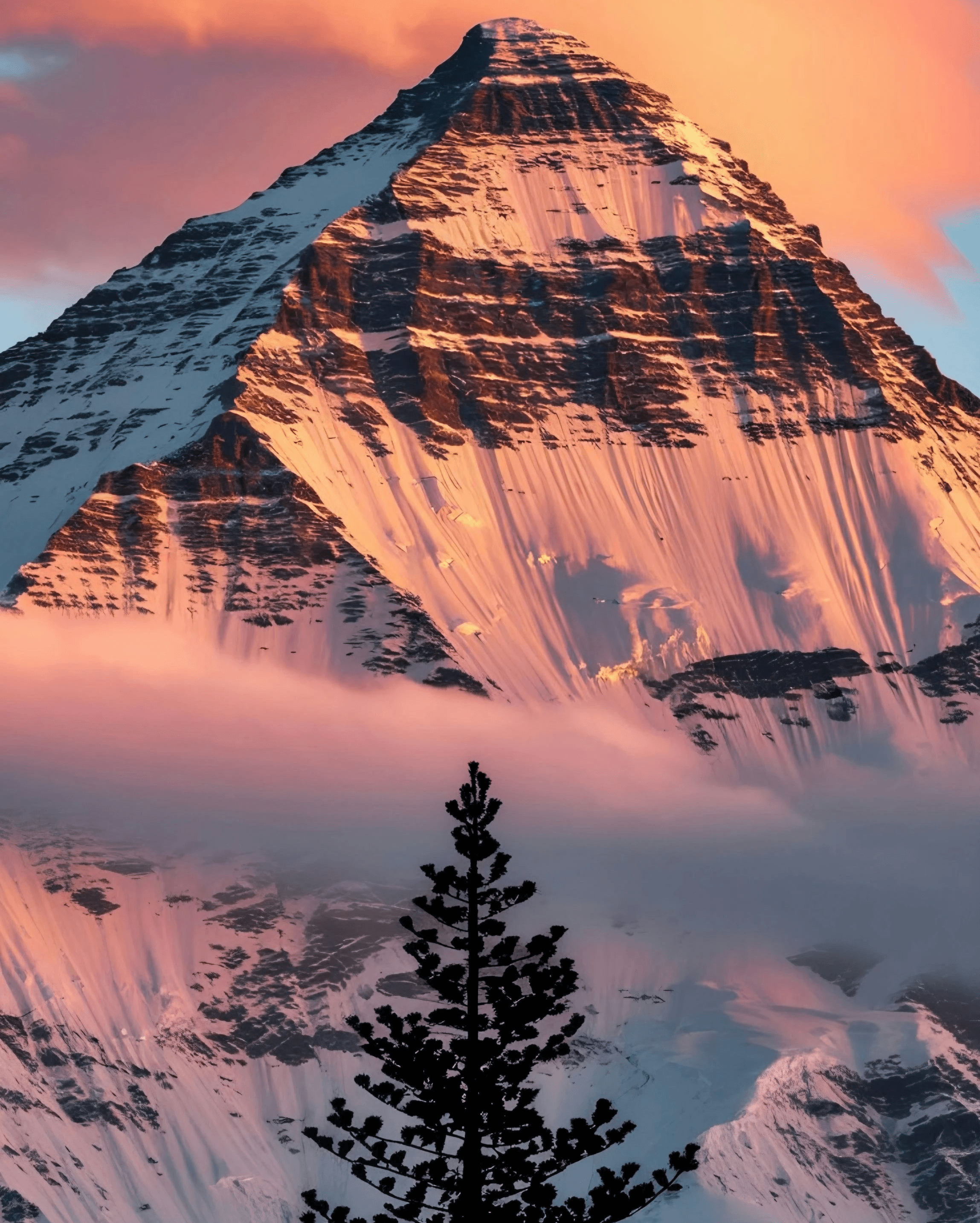
Major trekking routes (Everest, Annapurna) require permits obtainable through travel agencies—costs range 2,000-10,000 INR depending on routes and seasons. Permits support conservation efforts and monitor trekker density preventing overcrowding. Carrying permits, passports, and copies separately prevents full document loss. National Parks charge entry fees (2,000-3,000 INR) supporting conservation and local communities.
Weather, Clothing & Seasons
Clear skies (October-November, March-May) provide optimal trekking weather; monsoon season (June-September) brings lush vegetation and fewer crowds but daily afternoon thunderstorms. December-February brings cold temperatures and snowfall at high altitudes; layers (thermal underwear, insulating mid-layers, waterproof outer shell) regulate body temperature as conditions change dramatically through trekking days.