Sacred Geography: Mountains as Spiritual Entities
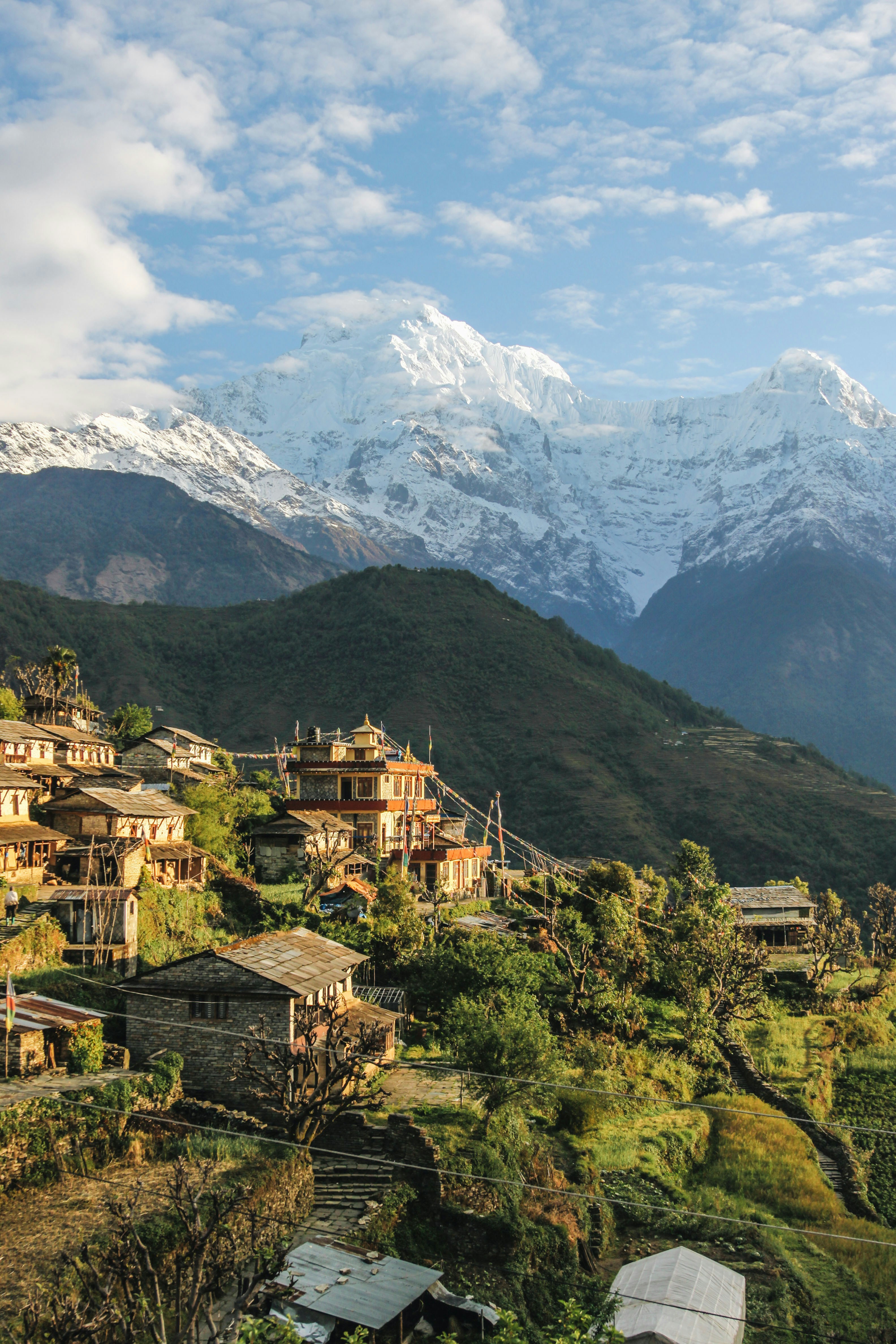
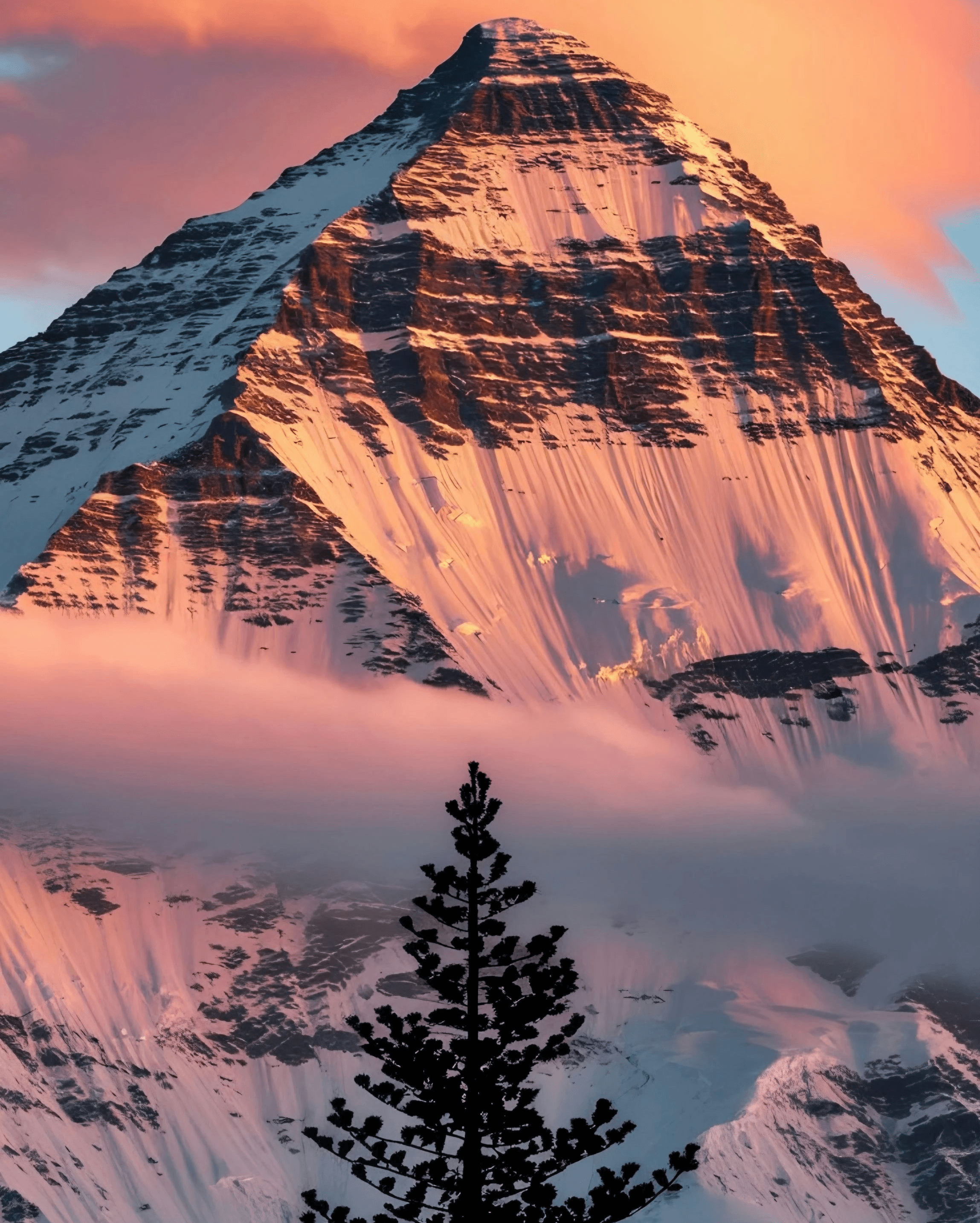
Nepali culture venerates mountains as divine manifestations—Sagarmatha (Mount Everest) represents Goddess Mother in Buddhist cosmology, while eight major Himalayan peaks rank among world's most sacred mountains. This spirituality differs fundamentally from Western mountaineering treating peaks as conquests; Nepali perspective respects mountains as living entities worthy of reverence. Walking through Nepal, even casual trekking, involves encountering prayer flags, mani stones (carved with mantras), and religious artifacts reminding travelers of sacred geography's pervasiveness.
Buddhist monasteries clinging to mountain slopes, their walls painted in brilliant colors and prayer wheels spinning in thin air, represent centuries-old spiritual practices continuing within harsh alpine environments. The monks who inhabit these monasteries, often recruited young and dedicating lifetimes to spiritual practice, embody commitment to transformation transcending material comfort. Visiting these communities—observing meditation practices, receiving blessings from senior monks, and learning philosophies guiding mountain spirituality—connects Indian travelers to Buddhist traditions parallel to their own spiritual heritages.
Hindu pilgrimage sites throughout Nepal maintain continuity with subcontinental traditions—Pashupatinath Temple's position on sacred Bagmati River connects Nepali Hinduism to ancient Vedic traditions. The concept of tirtha (sacred pilgrimage sites) and dharma (righteous duty) animates Nepali religious practice, making spiritual journeys integral to cultural identity rather than optional leisure activities. Understanding this integration helps Indian travelers recognize deeper meanings beyond surface observations.
Mountain Spirituality: Transformation Through Altitude
High-altitude environments strip away superficial concerns, focusing attention on breath, heartbeat, and immediate physical sensations—mountain trekking becomes meditative practice enforcing presence and mindfulness. Many trekkers report spiritual awakenings during high-altitude journeys—moments of profound peace, clarity about life priorities, and connection to something transcendent. The hardship, rather than detracting from experiences, deepens appreciation for simple comforts: warm tea, shelter from wind, sunset views rewarding daily struggles.
The Everest Base Camp trek particularly evokes spiritual responses—approaching the world's highest mountain cultivates humility about human capability and insignificance within cosmic scales. Many climbers report that reaching base camp involved unexpected emotional intensity as the physical journey connected to spiritual and psychological dimensions. Contemporary mountaineers often incorporate meditation, yoga, and spiritual practices alongside physical conditioning, recognizing that Himalayan ascents involve more than muscular effort.
Meditation retreats operating throughout Nepal—particularly around Kathmandu, Pokhara, and higher-altitude locations—offer extended practice opportunities in spiritually potent environments. Ten-day Vipassana courses, Buddhist study programs, and yoga retreats attract international participants seeking intensive practice within supportive communities. The combination of spiritual teaching, mountain environment, and like-minded practitioners creates conditions enabling genuine transformation impossible in home environments.
Living Traditions: Ancient Practices in Modern Times
Despite rapid modernization, Nepali communities maintain Buddhist and Hindu practices interwoven with daily life—prayer routines, festival celebrations, and ritual observances continue through generations. Young Nepali urbanites balancing traditional family expectations with contemporary global influences mirror patterns in India—both nations navigate modernity's pressures while honoring ancestral wisdom. Observing how Nepali people incorporate spirituality into modern lives, maintaining traditions despite globalization's homogenizing forces, inspires Indian travelers to reflect on their own cultural preservation efforts.
Festivals like Dashain and Tihar (celebrated across Nepal and India) unite communities through ritual, shared meals, and family gatherings maintaining social cohesion in changing times. Travelers fortunate to experience festivals during their Nepal visits participate in authentic cultural celebrations far more meaningful than museum observations. The warmth, generosity, and genuine welcome Nepali people extend to travelers—particularly those showing cultural respect—reflects Buddhist principles emphasizing compassion and hospitality toward all beings.
Nepali philosophy emphasizes balance between material and spiritual needs, active participation in society and personal spiritual development, and individual transformation contributing to collective wellbeing. These principles, deeply rooted in Buddhist and Hindu traditions, offer alternatives to purely materialistic worldviews increasingly questioned globally. Experiencing these philosophies in action within Nepali communities provides practical models for living meaningful lives beyond consumption and wealth accumulation.
Mountain Wisdom: Personal Growth Through Challenge
Mountain environments demand respect—weather changes rapidly, altitude affects physiology unpredictably, and trekking requires daily commitment despite fatigue and discomfort. These challenges build resilience, determination, and self-knowledge as trekkers confront physical and psychological limitations. Many report that completing arduous treks provided confidence transcending mountains—returning to home communities with expanded capabilities and perspectives shapes post-travel lives significantly.
Environmental Consciousness: Protecting Sacred Lands
Trekking in fragile alpine ecosystems heightens awareness of environmental vulnerability and human impact—littering, deforestation, and pollution threaten mountains integral to global climate, water systems, and cultural heritage. Practicing Leave No Trace principles, supporting conservation efforts, and choosing ethical tourism operators ensures your mountain journeys contribute to preservation rather than degradation. The mountains, which give so much spiritual and physical nourishment, deserve reciprocal care and protection.