The Palpable Energy of Urban Intensity
New York vibrates with kinetic energy unlike any other city on Earth—where millions navigate crowded streets, subways, and neighborhoods with purposeful determination that feels almost choreographed despite apparent chaos. Every block contains distinct micro-community with its own residents, businesses, traditions, and culture creating unique identity that separates Washington Square Park's bohemian energy from Midtown's corporate formality from the Lower East Side's artistic defiance. The constant motion, noise, and human density create sensation of being fully alive, where disconnection from the present moment becomes impossible amidst surrounding stimulation. Sirens wail constantly, construction cranes hover overhead, conversation in forty languages mingles on corners, and the sheer vibration of millions of human activities creates electromagnetic hum that longtime residents describe as intoxicating. This electricity permeates throughout day and night, as the city never truly sleeps but rather shifts energy from different constituencies and activities—the graveyard shift gives way to dawn delivery trucks, then morning commuters, then lunch rush, then evening entertainment, then late-night revelers, creating perpetual animation. First-time visitors often struggle with sensory overload, yet return visitors describe this constant energy as addictive, almost meditative in its intensity.
Diversity as Core Identity & Creative Catalyst
Eight million residents speak over 200 languages, creating unprecedented ethnic, cultural, and linguistic diversity that makes New York genuinely global city where walking ten minutes transports you across world continents. The demographic composition reflects immigration waves—Italian and Irish neighborhoods settled in the early 20th century, Puerto Rican and Dominican communities established in Harlem and Spanish Harlem, Chinese communities built Chinatowns, South Asian immigrants created Little India, and contemporary waves continue arriving from Africa, Eastern Europe, and the Caribbean. This diversity creates unparalleled innovation, cultural fusion, and cross-pollination where immigrant traditions blend with established cultures and each other, generating new art forms, culinary innovations, and social movements emerging from creative collision. Hip-hop emerged from Bronx block parties, blending African-American musical traditions with Caribbean rhythms and turntable innovation. Jazz evolved from African-American and Caribbean influences merging with European instruments. Contemporary art reflects global perspectives as artists from everywhere converge, challenging each other's traditions and creating hybrid forms. Restaurants showcase cuisine fusion—Korean-Mexican tacos, Indian-Chinese noodles, Italian-Dominican preparations—where culinary traditions interact and create entirely new categories. The city's creative power derives directly from this collision of different worldviews, traditions, and aesthetic sensibilities constantly negotiating coexistence.
Stories Embedded in Streets & Historical Layers
Every street corner, building facade, and neighborhood intersection contains histories of millions who built, inhabited, and transformed these spaces across centuries—each generation leaving marks upon previous generations' layers. From immigrant tenements to steel frame construction to postmodern architecture, New York's physical environment tells story of American ambition, entrepreneurship, struggle, and reinvention written in brick, steel, and glass. The streets of the Lower East Side carry memories of families packed into tenements working fourteen-hour factory shifts, building wealth that enabled grandchildren's escape to outer boroughs and suburbs. Greenwich Village's tree-lined streets were farmland before urban expansion, then became bohemian enclave where artists, writers, and musicians established creative culture still evident in independent galleries and experimental theater venues. Brooklyn's waterfronts powered the American Industrial Revolution before deindustrialization, then transformed into luxury waterfront housing and art hubs. Street art, murals, and informal memorials layer contemporary expression atop historical narratives, creating palimpsest where past and present coexist visibly. Gentrification overlays new residents upon longtime communities, creating tension between preservation and progress, nostalgia and contemporary vitality. These layers make the city simultaneously museum and living organism, honoring history while constantly reinventing itself.
Cultural Productions & Creative Ferment at Every Scale
New York remains uncontested center of American cultural production, with Broadway theater, music venues, museums, galleries, and film industry making it undisputed capital of artistic innovation and creation. The city's creative energy attracts ambitious artists, writers, musicians, and performers worldwide seeking to make mark on cultural landscape—the mathematical odds of "making it" remain infinitesimally small, yet thousands arrive annually willing to wait tables and share apartments while pursuing artistic dreams. Broadway theaters produce musical experiences that define popular culture, with opening night galas setting industry standards and creating water-cooler conversations nationwide. Museums like MoMA, Guggenheim, and Whitney present cutting-edge contemporary art that influences artistic discourse globally. Street performances, underground clubs, and independent galleries demonstrate that cultural production occurs at every scale, from world-famous venues to impromptu sidewalk performances where subway musicians develop devoted followings. The poetry slam scene, indie film festivals, performance art venues in converted warehouses, and experimental theater collectives create ecosystem where artistic risk-taking is celebrated and entrepreneurial creativity flourishes. Even casual neighborhood storefronts become cultural spaces—coffee shops featuring poetry readings, gallery walls displaying neighborhood artist work, street corners where musicians develop their craft. This cultural richness permeates daily life, making artistic aspiration normal rather than exceptional.
Urban Spirituality & Redemptive Possibilities
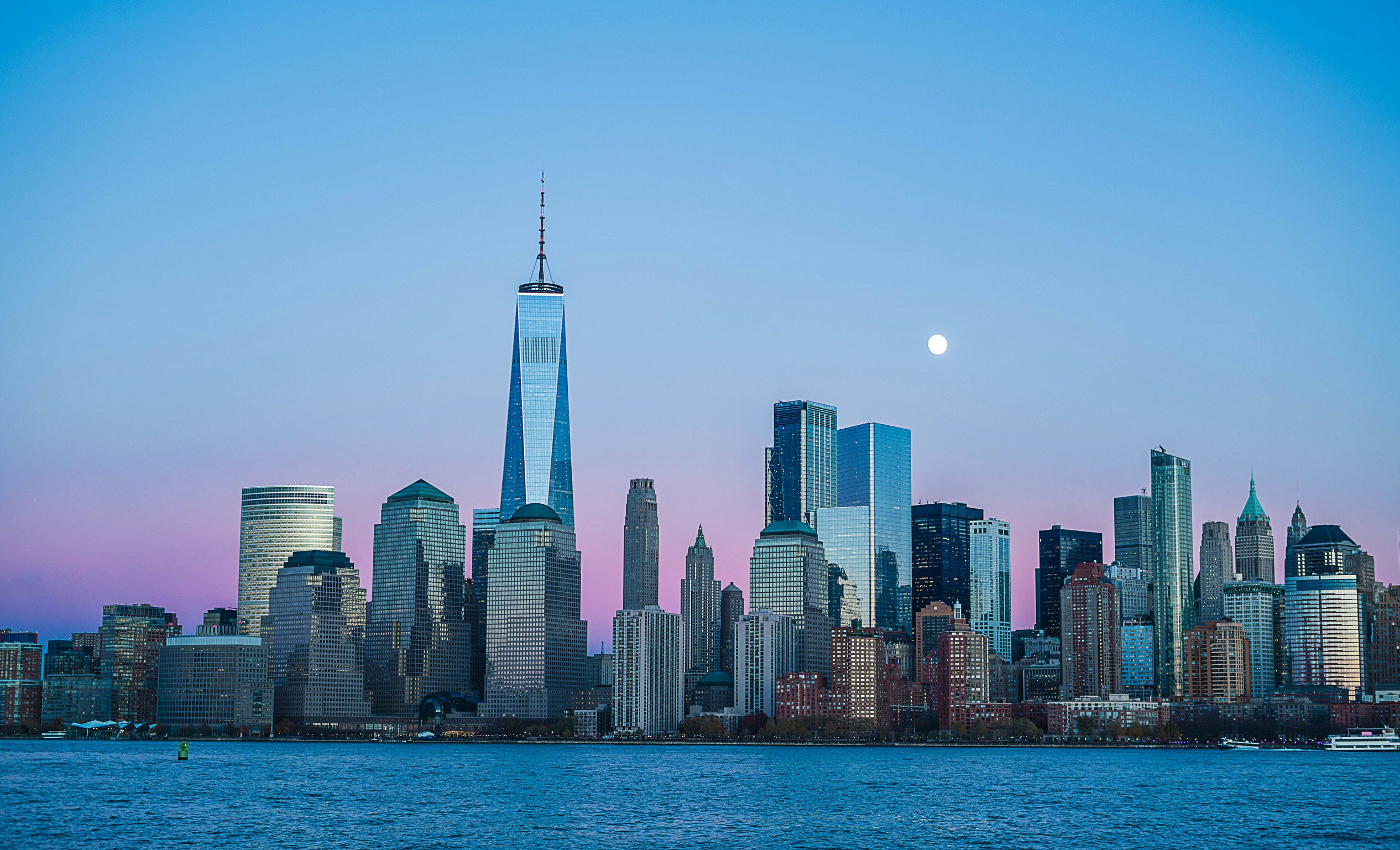
Despite visible hardship, congestion, and inequality scattered throughout New York, the city maintains redemptive spirituality where individuals persistently believe reinvention remains possible. This "New York Dream" attracts ambitious people worldwide seeking opportunity and transformation, the belief that effort, talent, and persistence enable escape from circumstances of origin. Countless success stories validate this mythology—billionaires emerged from Bronx poverty, artists achieved international renown from tiny studio apartments, immigrants built enterprises generating wealth for families and communities. The city's capacity to absorb diverse populations, ideas, and ambitions while generating entirely new cultures, art forms, and economic possibilities creates narrative of endless potential that transcends mere geography and connects to deepest human hopes. Sunrise over Manhattan skyline creates spiritual moments—light catching towers, shadows retreating from streets, millions preparing for another day of struggle and aspiration. Sunset from rooftop bars delivers similar transcendence—light transforming glass towers into golden monuments, the city cooling, entertainment possibilities emerging. These moments capture why people endure the hardship, isolation, and expense of New York living; the city promises transformation and delivers just enough success stories to sustain hope eternal.