The Paradise Myth: How Aesthetics Create Spiritual Experience
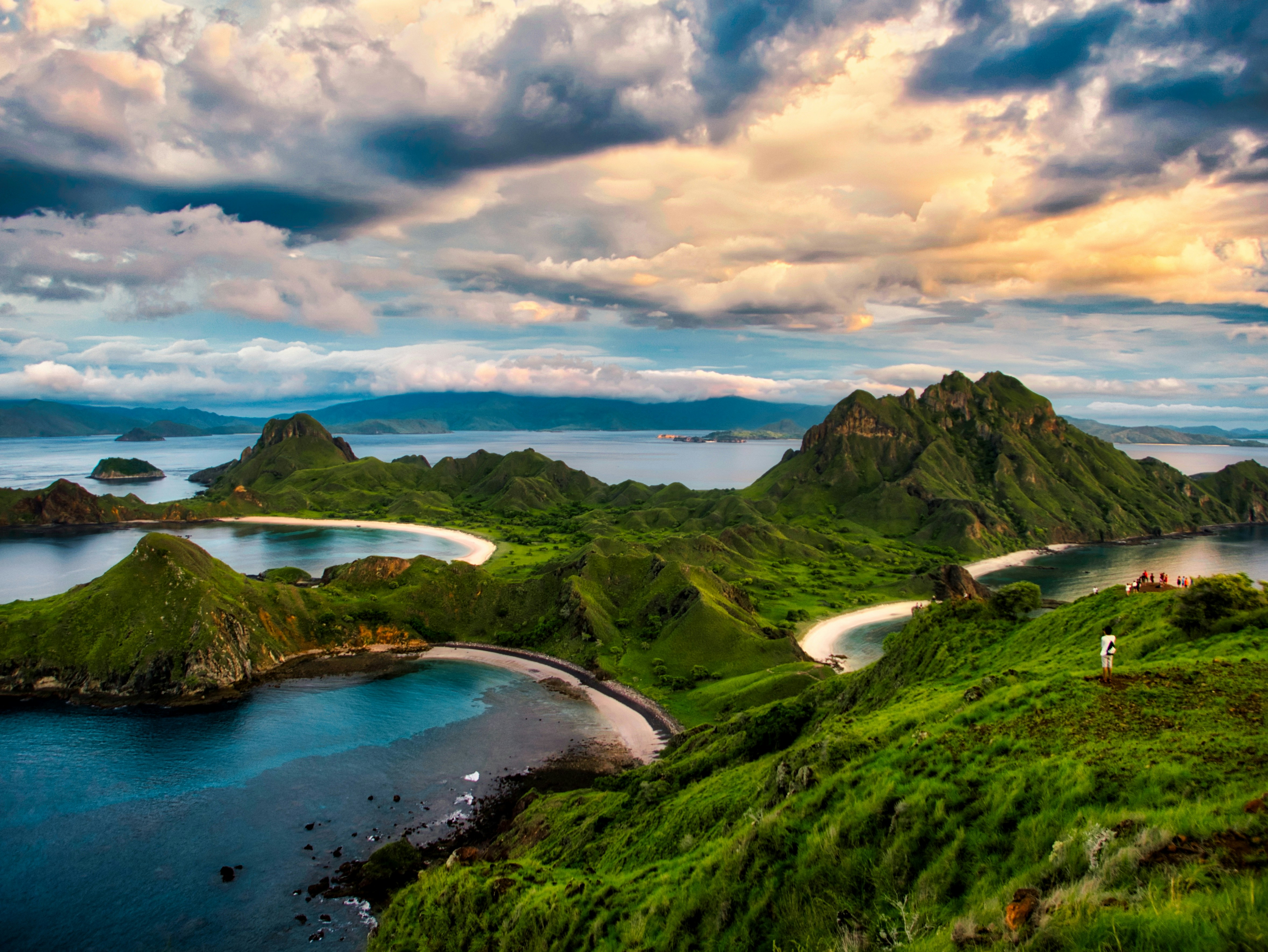
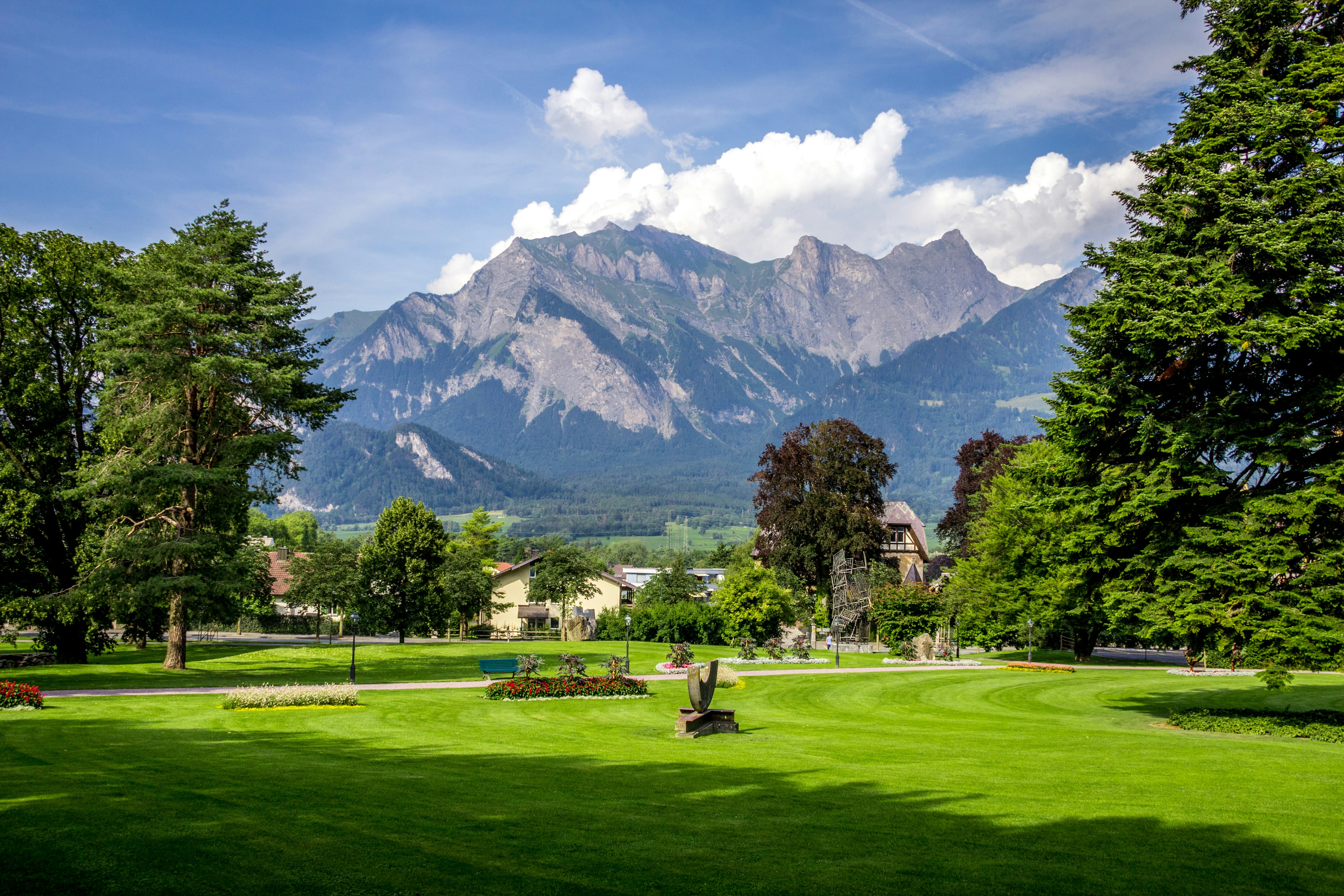
Kashmir's designation as 'Paradise on Earth' reflects not mere tourism marketing but genuine aesthetic and spiritual power of landscapes creating transcendent experiences in visitors unprepared for such overwhelming beauty. The region's natural characteristics—high mountains cradling verdant valleys, pristine waters reflecting sky, dense forests supporting extraordinary biodiversity—combine creating environmental symphony where multiple sensory channels simultaneously stimulate consciousness with beauty. Mughal emperors, possessing resources to construct palaces anywhere, chose Kashmir's specific geographical and climatic conditions for imperial retreats, suggesting that aesthetic judgments about landscape beauty transcend cultural subjectivity and reflect genuine environmental qualities. Historical poets, philosophers, and spiritual practitioners across religions established Kashmir as pilgrimage destination and inspiration source, with landscape itself functioning as spiritual teacher conveying truths about impermanence, beauty, and human smallness within cosmic grandeur.
Timeless Beauty: Geological, Ecological & Human Dimensions
Kashmir's beauty operates across multiple temporal scales—geological timescales where mountains continue rising through tectonic processes visible nowhere else in India's geography, ecological timescales where seasonal transformations (spring flowers, autumn colors, winter snows) create perpetual renewal, and human timescales where civilizations rise and fall against unchanging mountain backdrop. The valley's geological formation through tectonic collision between continental plates creates unique landscape—surrounded by mountains, internal water systems creating internal paradises, and elevation patterns generating diverse climate zones from subtropical valleys to arctic peaks. Human habitation across millennia created accumulated cultural layers—temples, mosques, shrines, architectural traditions—that blend human creativity with natural landscape, creating spaces where nature and culture become inseparable. This temporal layering means Kashmir's beauty isn't static but evolving—ancient architectural heritage deteriorates, tourist development transforms landscapes, climate change alters vegetation patterns—making contemporary visitors witnesses to paradox of timeless beauty existing amid continuous transformation.
Experiencing Paradise: Presence & Consciousness Expansion
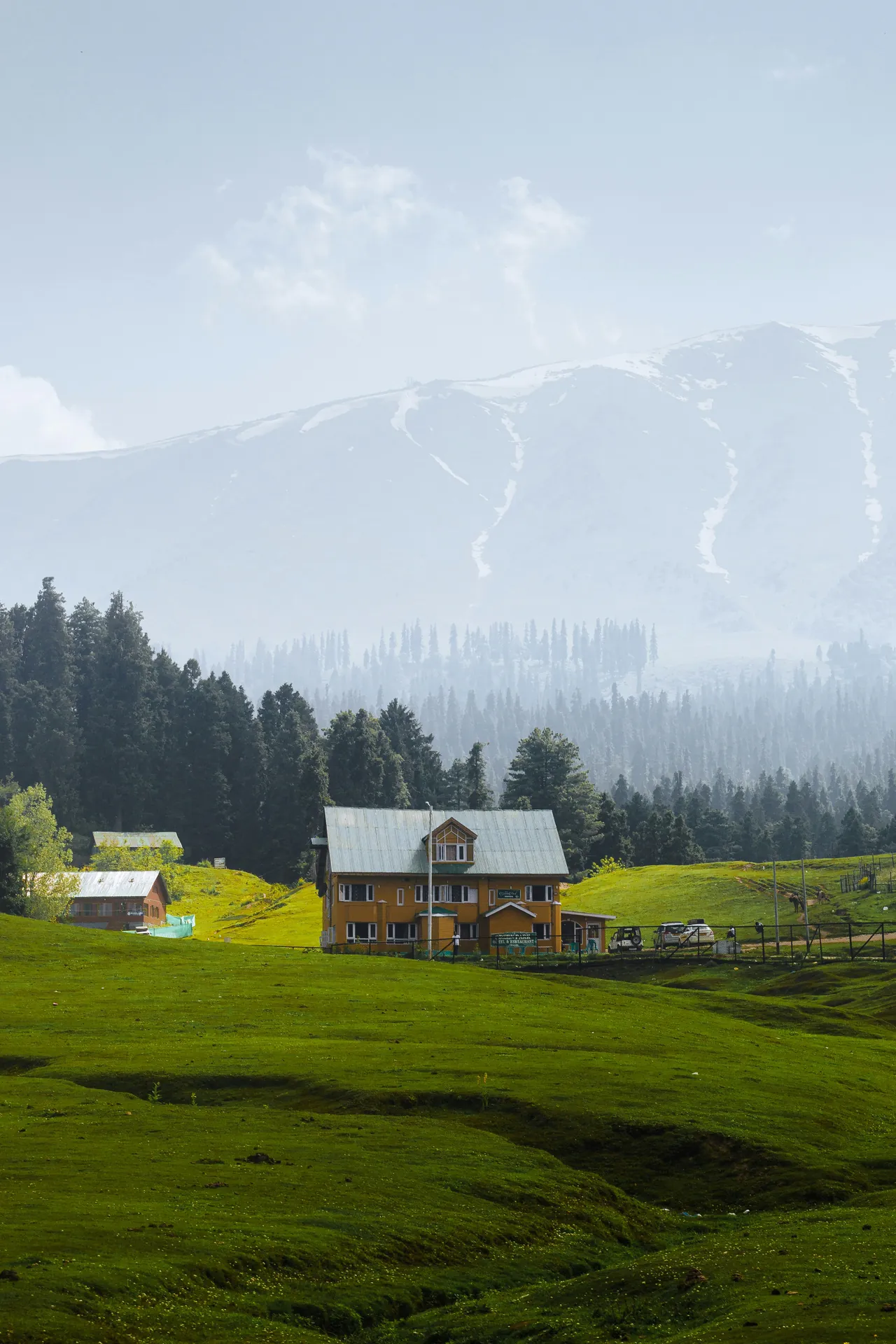
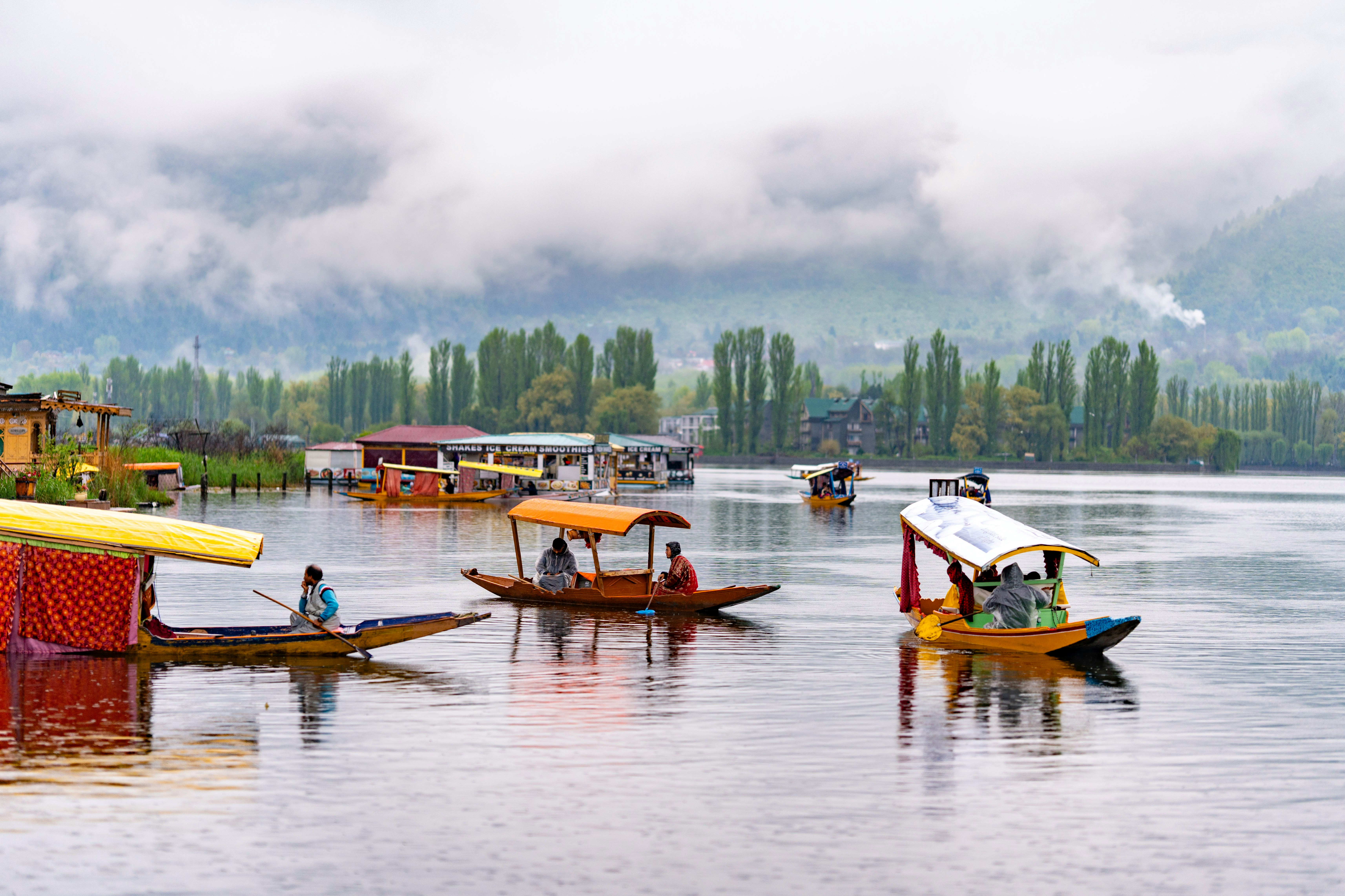
Visiting Kashmir's landscapes creates opportunities for consciousness expansion through beauty's overwhelming power to quiet mental noise and facilitate direct sensory engagement with environmental grandeur. The experience differs from ordinary tourism through its capacity to trigger existential awareness—recognizing human insignificance against mountain majesty, confronting mortality, and experiencing temporary liberation from ego-driven anxieties dominating ordinary consciousness. Morning meditations beside Dal Lake as mist dissolves into sunlight, sunset walks through Pahalgam's meadows as light transforms landscapes into ethereal beauty, and quiet moments in Gulmarg's high-altitude silence create contemplative spaces where transcendent awareness emerges spontaneously. These moments resist rational explanation and photography reproduction—only direct presence grants access to Kashmir's transformative power, making the region destination not merely for aesthetic appreciation but for spiritual practice and consciousness expansion.
Ecological Fragility & Conservation Awareness
Kashmir's paradisiacal status depends on ecological systems increasingly threatened by climate change, tourism development, water pollution, and ecological pressures that risk transforming paradise into degraded landscape. Rising temperatures alter snow patterns affecting water availability, glacier retreat threatens river systems sustaining millions, and deforestation for development removes vegetation stabilizing soil and regulating climate. Tourism itself, while economically beneficial to communities, creates pressures through waste generation, water consumption, and ecosystem disruption that require conscious management and visitor awareness. Experiencing Kashmir's beauty responsibly means understanding ecological fragility underlying aesthetic magnificence, making tourism conscious choice to support conservation efforts rather than escapist leisure disconnected from environmental consequences.
Political Context & Respectful Engagement
Kashmir's contemporary political situation, while occasionally overshadowing tourism development, reflects complex historical processes and ongoing negotiations about governance, autonomy, and community self-determination that visitors benefit from understanding with nuance and respect. The 2019 revocation of special constitutional status transformed Kashmiri political landscape, creating ongoing tensions between state authority and local autonomy claims that shape contemporary community consciousness and tourism context. Visitors encounter political dimensions through military presence, security checkpoints, and local conversations reflecting diverse political perspectives—some supporting security measures, others advocating for independence or autonomy—that resist simplification. Respectful tourism requires engaging with these complexities rather than pretending they don't exist, understanding that paradise designation operates alongside political struggle, economic inequality, and community tensions that constitute full reality of contemporary Kashmir beyond aesthetic romance.