The Poetry of Parisian Streets: Walking Through Literary Legacy
Paris enchants visitors through sensory immersion in environments steeped with artistic tradition and romantic history, where every street corner carries echoes of figures who shaped modern culture. Walking narrow streets in the Latin Quarter where Hemingway, F. Scott Fitzgerald, and Gertrude Stein once wandered, past the cafés where these expatriate writers refined their craft while drinking wine and observing Parisian life, connects you tangibly to cultural icons and creative movements that defined 20th-century literature. The café where Sartre debated existentialism remains operational, its small tables still crowded with students and intellectuals engaged in passionate discourse. Sitting in these same locations, you understand that the creative ferment wasn't manufactured for tourists but emerged organically from Paris's culture of intellectual engagement and extended café conversations. The architectural harmony of cream-colored limestone buildings, uniform mansard roofs designed to maximize interior light, and tree-lined avenues that create perpetual corridors of greenery creates visual poetry that explains why Paris captivates hearts across centuries and cultures—the physical beauty itself inspires contemplation, conversation, and the kind of lingering that turns moments into memories. The city's medieval layout, preserved remarkably intact despite modern pressures to modernize, means you encounter unexpected plazas, hidden gardens, and architectural surprises around corners, creating a sense of discovery in a city visited by tens of millions annually.
Art Elevated to Sacred Experience: Witnessing Masterpieces
Paris's museums contain humanity's greatest artistic achievements accumulated through centuries of cultural accumulation—medieval illuminated manuscripts so exquisitely detailed that individual letters glow like jewels, Renaissance masterpieces that established compositional principles still taught in art schools, revolutionary modernist works that shattered conventional representation and created entirely new aesthetic categories. Encountering Monet's water lilies series in the Musée de l'Orangerie creates visceral emotional responses that reproductions cannot convey: the paintings' monumental scale (you stand before canvases that overwhelm your field of vision), the layered glazing creating luminous depths that seem to glow from within, the subtle tonal variations suggesting light's infinite complexity. Standing before Van Gogh's starry night or Rodin's "The Thinker," you encounter physical artworks rather than images, understanding through sensory immersion why these works transfix humanity. The city itself functions as living museum, with street art adorning ordinary walls (sometimes executed by internationally recognized artists), building façades offering architectural lessons in style evolution, and public sculptures occupying parks and plazas, transforming every walk into aesthetic journey where you develop educated eyes noticing beauty previously invisible. Smaller museums dedicated to individual artists (the Delacroix museum in his actual apartment, the Rodin museum in his former residence) offer intimate encounters with artistic spaces where creation occurred, revealing how artists lived and worked.
Centuries Layered in Urban Fabric: History Made Tangible
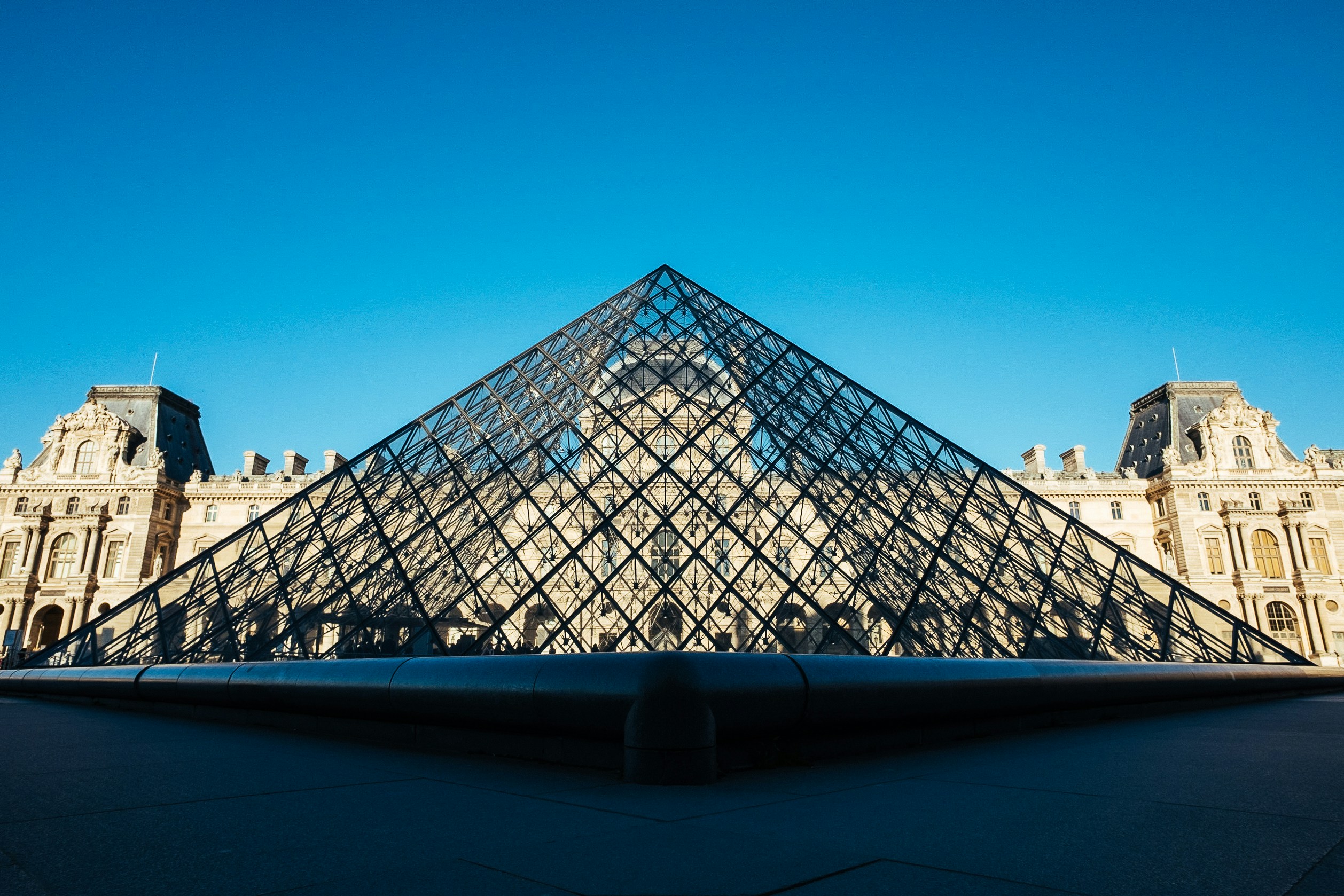
Medieval Notre-Dame with its iconic Gothic flying buttresses designed to distribute architectural stress, Renaissance Louvre with its symmetrical elegance and classical proportions, Baroque Versailles's overwhelming opulence and gardens extending across thousands of acres, Belle Époque Grand Palais with its soaring iron and glass construction, and Art Deco buildings with streamlined moderne aesthetic create temporal tapestry visible throughout Paris. Each era left architectural and cultural imprints so distinct that you can identify building periods by stylistic elements—nineteenth-century Haussmann buildings with their consistent height and ornamentation, early twentieth-century Art Nouveau's organic curves and nature-inspired decoration, postwar modernist's stripped minimalism. This creates palimpsest where history remains tangible rather than abstract: you see architectural evolution literally layered within neighborhoods, understanding through visual immersion how aesthetic ideals transformed. Walking from the medieval Marais with its narrow streets and Renaissance townhouses through the geometric rationality of Haussmann's Paris with its systematic avenue network toward the Belle Époque grandeur of the Grand Boulevards, you traverse centuries and comprehend how urban planning itself reflects philosophical shifts. The Catacombs beneath Paris preserve medieval quarries and Revolutionary War history, allowing descent into literal layers of Parisian history where millions of people's remains were relocated during cemetery overcrowding in the nineteenth century—a sobering reminder that Paris's romance coexists with darker chapters preserved below the city's beautiful surface.
Romance as Cultural Philosophy: A Different Way of Living
Parisian romance transcends relationship sentimentality and Valentine's Day clichés, instead representing philosophical approach to living that values beauty, pleasure, and human connection as legitimate life priorities rather than distractions from productivity. The tradition of apéritif hour—that sacred 6-8pm period when Parisians gather in cafés for wine, olives, and conversation—reflects cultural values that leisure and friendship merit dedicated time blocks. Leisurely meals lasting hours (three hours for lunch is unremarkable), where each course arrives sequentially and diners linger between courses, reflect philosophy that eating represents engagement with flavor, social connection, and present-moment awareness rather than fuel-acquisition. Evening strolls along the Seine or through neighborhood streets without specific destination represent commitment to flanerie—purposeless wandering that values observation and accidental discovery over directed progress. This romance permeates daily life in ways foreigners encounter repeatedly: flower vendors adorning street corners with arrangements of seasonal blooms, musicians playing in metro stations offering unsolicited beauty to commuters, couples embracing along Seine banks creating tableaux of connection visible to passing strangers who smile knowingly. The absence of guilt associated with pleasure-seeking distinguishes Parisian culture from cultures emphasizing productivity above all else—spending an afternoon reading in a park, indulging in a rich chocolate, or engaging in hours-long conversation represents valid use of human life rather than time-wasting. This cultural priority on living well rather than merely existing well infiltrates consciousness gradually, causing many visitors to reassess their own life priorities and question whether constant productivity serves genuine flourishing.
The Magic of Twilight Hours: When Paris Transcends Reality
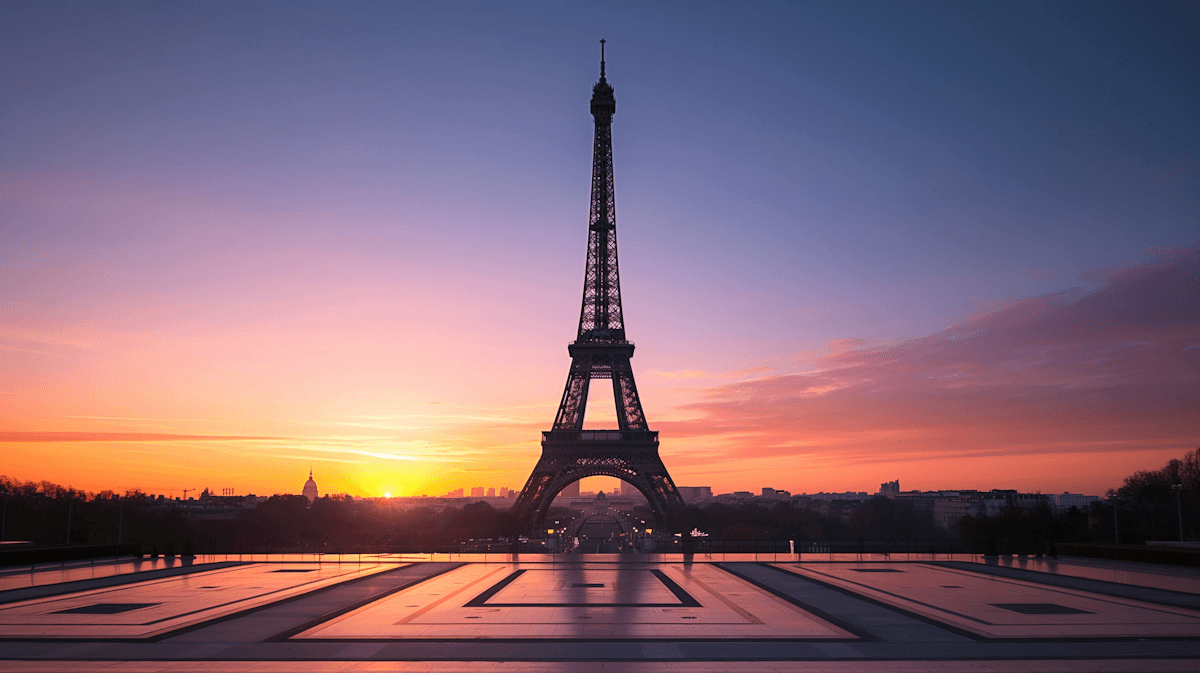
Paris achieves transcendent beauty during twilight hours—that liminal period between day and night lasting perhaps 45 minutes to an hour depending on season—when golden light at low angles bathes cream-colored limestone façades in honey-colored luminosity, creating warmth that stimulates emotional response beyond rational explanation. Street lamps gradually illuminate as dusk deepens, transforming trees into silhouettes against darkening skies while their foliage catches remaining light in subtle gradations impossible to photograph adequately. The Seine reflects both remaining sky and emerging lights, creating mirror-world doubling that confuses spatial orientation—you simultaneously perceive city and inverted city reflected in water. Bridges connecting banks become transitional zones between worlds, offering momentary liberation from urban solidity. Millions of lights—window lights from apartments, streetlights along avenues, building illuminations highlighting architectural features—gradually sparkle into existence like earthbound constellations, creating visual magic that inspires centuries of artists, writers, and dreamers to document and mythologize Paris through their work. This eternal twilight, whether literal dusk lasting minutes or metaphorical state of romantic reverie lasting lifetimes, defines Parisian experience and explains Paris's outsized role in romantic and artistic imagination—the city's unique light quality seems to unlock emotional depths, permitting vulnerability and beauty-awareness that quotidian life typically suppresses. Photographers and painters consistently identify twilight as optimal moment for capturing Paris's essence, understanding that harsh sunlight reveals mundane reality while twilight permits transcendence.