Iconic Landmarks & Must-See Attractions: Paris's Unforgettable Monuments
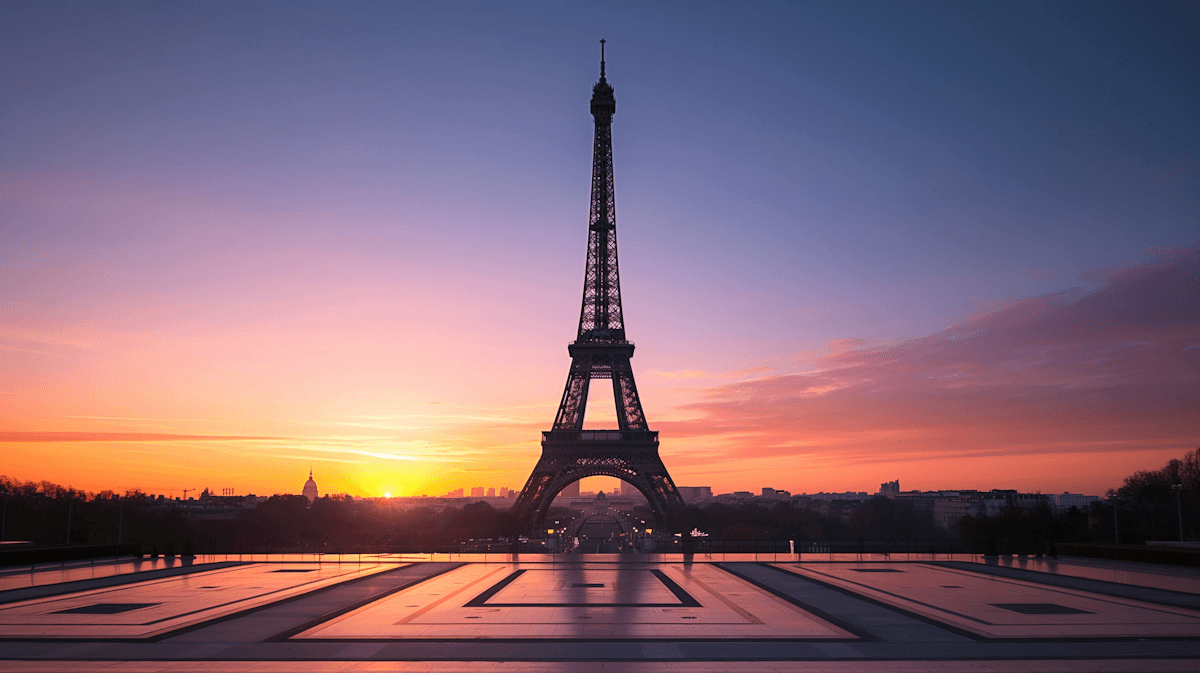
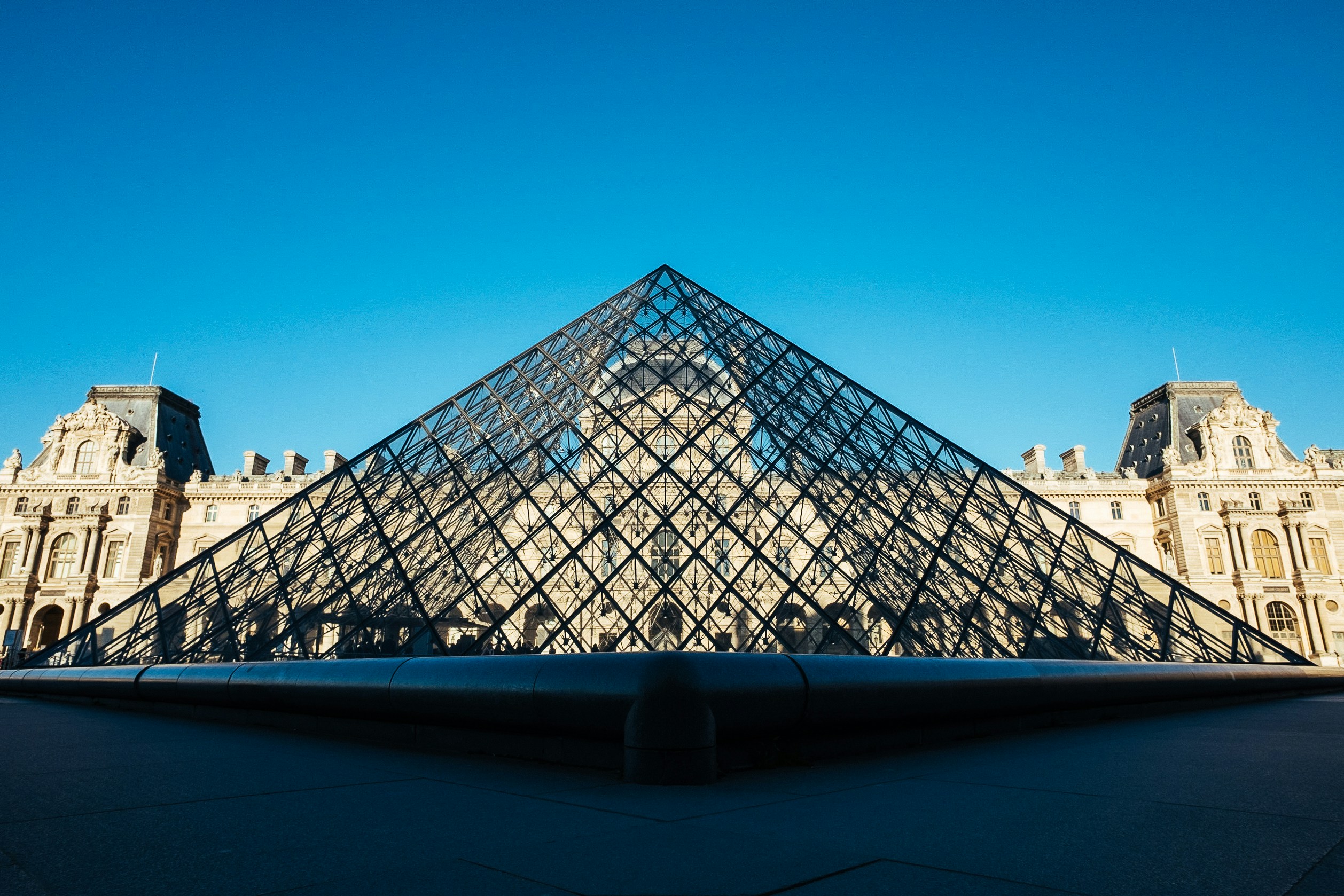
The Eiffel Tower remains Paris's most iconic symbol, stunning from every angle and magical at dusk when illuminated—the wrought-iron lattice structure designed by Gustave Eiffel for the 1889 World's Fair continues to captivate millions of visitors annually despite its more than 130 years of age. The tower's three levels offer different experiences: the ground level holds glass floors allowing dizzying downward views, the second level provides the perfect balance of proximity and perspective, and the summit offers 360-degree views extending to the countryside on clear days. Skip daytime queues (which routinely exceed 2 hours) by ascending the stairs to the second floor, offering equally spectacular views with far fewer crowds, better photo opportunities without throngs of selfie-takers, and lower admission costs—many visitors report the stair experience more memorable than crowded elevators. The Louvre houses the world's most famous artworks including Leonardo da Vinci's Mona Lisa (protected behind bulletproof glass), the ancient Greek Venus de Milo statue, and the Winged Victory of Samothrace; yet the museum's sheer scale overwhelms many visitors attempting comprehensive tours of its 38,000 objects across 782 rooms. Rather than wandering aimlessly, focus on specific galleries matching your interests: Renaissance paintings and sculpture in certain wings, ancient Egyptian artifacts in others, French paintings in separate sections—the Louvre's website permits pre-visit planning identifying specific artworks' locations, allowing strategic museum navigation. Notre-Dame Cathedral's Gothic architecture with flying buttresses, rose windows, and soaring arches defined Medieval European architecture, though current restoration from the devastating 2019 fire means the cathedral remains temporarily inaccessible; however, observing the restoration progress offers fascinating architectural insights into how major historic structures are preserved for future generations.
Neighborhood Character & Distinct Parisian Personalities: Exploring Local Paris
Le Marais blends medieval architecture—narrow streets lined with 16th-century townhouses—with thoroughly contemporary trendy boutiques, galleries, and nightlife, creating a vibrant collision of eras. The neighborhood's Jewish heritage persists in kosher restaurants clustered around Rue des Rosiers, falafel stands serving North African-style preparations attracting both locals and visitors, and historic synagogues marking centuries of cultural presence. The Place des Vosges anchors the Marais with arcaded galleries, upscale shops, and cafés where Parisians gather, while Renaissance architecture frames the square's meditative geometry. Montmartre preserves a bohemian village atmosphere incongruous with surrounding metropolitan Paris—steep cobblestone streets wind through neighborhoods where Belle Époque cafés (immortalized in works by Toulouse-Lautrec and Van Gogh) still operate, artists continue working in studios overlooking the city, and Sacré-Cœur basilica crowns the highest point with its white Romano-Byzantine domes visible from virtually everywhere in Paris. The Latin Quarter buzzes with student energy from the Sorbonne university, crowded bookshops occupying historic spaces, and intellectual heritage associated with famous philosophers and writers who frequented its cafés—Hemingway, Sartre, and de Beauvoir all wrote in Latin Quarter establishments that still operate today. The Grand Boulevards and Champs-Élysées offer high-end shopping, grand Belle Époque architecture, and the kind of Paris seen in old Hollywood films, while charming residential neighborhoods like Batignolles with its village square atmosphere, hidden Belleville with its street art and diverse immigrant communities, and Marais's eastern reaches reveal authentic local Paris beyond tourist circuits where you encounter markets rather than souvenir shops, neighborhood bistros rather than tourist restaurants, and actual Parisians conducting daily lives.
Museums, Art & Cultural Institutions: Beyond the Louvre
Beyond the Louvre's overwhelming magnificence, Paris's museum landscape rivals any city globally. The Musée d'Orsay housed in a converted Beaux-Arts railway station showcases Impressionist and Post-Impressionist masterpieces—Monet's water lilies series, Renoir's dancing figures, Van Gogh's self-portraits—in a museum environment far less crowded than the Louvre, allowing genuine engagement with artworks rather than rushing past crowds. The Centre Pompidou, its inside-out architecture with external escalators and exposed steel framework shocking Parisians when constructed in the 1970s, has become an architectural icon housing contemporary art collections and hosting innovative exhibitions. The Musée Picasso in a 17th-century mansion displays the Picasso collection spanning his entire career, while the Musée Rodin features Rodin's sculptures in a beautiful garden setting where you can contemplate "The Thinker" outdoors. Smaller specialized museums dedicated to specific artists (Delacroix, Monet's studio garden, Matisse) or movements allow deeper exploration of particular interests. Many museums offer free entry on first Sundays of each month, providing access to world-class collections without standard admission fees—arriving early on those dates means manageable crowds despite the free admission advantage. The Musée de Cluny preserves medieval artifacts and history in a setting that feels appropriately ancient, while the Carnavalet Museum focuses exclusively on Paris's history, allowing comprehensive understanding of how the city evolved.
Culinary Excellence & Café Culture: Tasting Parisian Life
Parisian cuisine represents France's gastronomic peak, with street crepes (savory and sweet varieties) produced by vendors throughout the city offering authentic flavors for a few euros, fresh pastries emerging from boulangeries multiple times daily (the smell of baking croissants permeates Paris streets), and bistro classics executed with discipline and refinement in restaurants ranging from casual neighborhood establishments to Michelin-starred temples. Traditional French bistro fare—coq au vin (chicken braised in wine), beef bourguignon, sole meunière (dover sole with brown butter)—originated in Paris and remain best experienced in their birthplace, where restaurant kitchens treat these dishes with reverence earned through generations of perfection. Café culture encourages lingering over coffee or wine while observing street life—a quintessentially French experience where purchasing a small espresso provides hours of seating rights, where Parisians conduct entire days in single café locations with books or laptops, and where the act of leisure itself becomes cultural practice. The distinction between cafés (casual, standing-oriented, counter service), bistros (small neighborhood restaurants with simple menus and reasonable prices), and restaurants (formal dining with multiple courses and higher price points) matters for Paris dining strategy—know which category you're entering to calibrate expectations and budgets accordingly. Markets like Rue Cler (a pedestrian shopping street that has functioned as a market for over 150 years) and Marché Bastille (the oldest continuously operated market in Paris) showcase fresh produce at peak ripeness, regional cheeses representing specific terroirs, wines organized by region and style, and prepared foods (rotisserie chickens, prepared salads, pastries) reflecting seasonal availability and French food philosophy that views eating as engagement with seasons and local production rather than year-round availability of anything. Macarons—delicate almond-meringue confections—represent Paris's confectionery art, with shops like Ladum and Pierre Hermé elevating cookies to artistic expression through color, flavor combinations, and meticulous craftsmanship.
River Walks & Green Spaces: Finding Tranquility in the City
Seine River walks provide romantic perspectives on Paris with changing vistas at each of the city's 37 bridges—the Pont des Arts pedestrian bridge offers unobstructed views upriver toward Notre-Dame, the Pont de l'Alma frames the Eiffel Tower, and each of the Seine's major bridges presents distinct architectural styles and sightlines that photographers and artists have documented for centuries. Strolling along the Left Bank quays, you pass secondhand book stalls (bouquinistes) that have sold used books to Parisians for generations, street musicians playing beneath stone arches, and fishermen attempting to catch the Seine's limited fish populations. Boat cruises offer evening entertainment with monuments illuminated against night skies and Parisian architecture reflected in water in ways daytime walking cannot capture—a moonlit cruise past illuminated monuments creates the romantic Paris of cinematic imagination. Parks like the Luxembourg Gardens (created by Marie de Medici in 1615) cover 24 hectares with formal geometric gardens, fountains, wandering pathways, and countless seating areas where Parisians sit with books, children play in designated areas, and the city seems distant despite being surrounded. The Tuileries Gardens, originally royal palace gardens, now extend from the Louvre toward the Place de la Concorde in a grand formal composition of manicured lawns, tree-lined avenues, and sculptural collections offering respite from urban intensity. Bois de Boulogne and Bois de Vincennes, large forested parks on the city's western and eastern edges, provide hiking trails, lake boating, cycling paths, and picnicking opportunities perfect for full-day escapes from central Paris crowds. These green spaces reflect French leisure lifestyle philosophy that views park time as essential to quality living, where entire afternoons disappear reading under trees, where picnics transition from lunch to afternoon apéritifs to casual dinner, and where the act of lingering becomes more important than specific activities.