The Ganges: Mother, Goddess, and Mirror of the Soul
The Ganges River flows through Uttar Pradesh not merely as a geographical feature but as the spiritual lifeblood of millions who believe her waters hold redemptive power. From her emergence at Devprayag in the Himalayas to her journey through Haridwar, Varanasi, and beyond, the Ganges carries sacred significance in every ripple and current. Pilgrims submerge themselves in her waters to wash away sins, perform rituals honoring their ancestors, and seek liberation from the cycle of rebirth—a practice unchanged for thousands of years. The festival of Ganga Dussehra celebrates this divine river with fervent prayers, cultural performances, and spiritual gatherings that attract devotees from every corner of India and beyond.
Haridwar: Where the Sacred Meets the Secular
Haridwar, where the Ganges exits the Himalayan foothills into the plains, transforms into a glowing amphitheater each evening during the Ganga Aarti ceremony, where thousands gather to witness synchronized lamp offerings that create an unforgettable spiritual spectacle. The city's numerous ashrams and yoga centers offer visitors opportunities to study ancient spiritual practices with accomplished gurus who have dedicated their lives to these traditions. Hardwar's bustling markets sell traditional religious items, medicinal herbs, and spiritual literature that reflect the city's role as a bridge between material and spiritual worlds. The Kumbh Mela, held here every twelve years, becomes the world's largest spiritual gathering with over 100 million devotees, transforming the city into a temporary metropolis of faith and transformation.
Vrindavan: Where Divine Love Transcends Time
Vrindavan, the playground of Lord Krishna, pulses with an energy that transcends ordinary spirituality and celebrates divine love in its most ecstatic forms. During Holi, the festival of colors takes on profound spiritual dimensions here, as devotees recreate Krishna's playful interactions with his beloved Radha and the gopis in exuberant celebrations that last throughout the day and night. The temples here aren't austere places of rigid worship but vibrant spaces filled with music, dance, and emotional expression where visitors witness devotion as a joyful celebration of life itself. Every festival season in Vrindavan—from Janmashtami to Radhashtami—brings processions, theatrical performances, and spiritual awakening that offer glimpses into how ancient traditions remain living, breathing practices.
The Yamuna River: Companion and Mirror to Life's Journey
The Yamuna River, which joins the Ganges at Prayagraj, holds its own sacred significance in Hindu mythology and spiritual practice. This river features prominently in Krishna legends, as the site of his childhood adventures and divine revelations, making it especially sacred in central Uttar Pradesh. Along the Yamuna's banks lie ancient pilgrimage sites, meditation centers, and ashrams where visitors can experience quieter, more introspective spiritual journeys away from the crowds that gather at more famous destinations. The convergence point of the Ganges and Yamuna at Prayagraj (formerly Allahabad) creates one of the most powerful spiritual locations, where the meeting of waters symbolizes the union of divine consciousness.
Transforming Through Temple Life: A Visitor's Path to Understanding
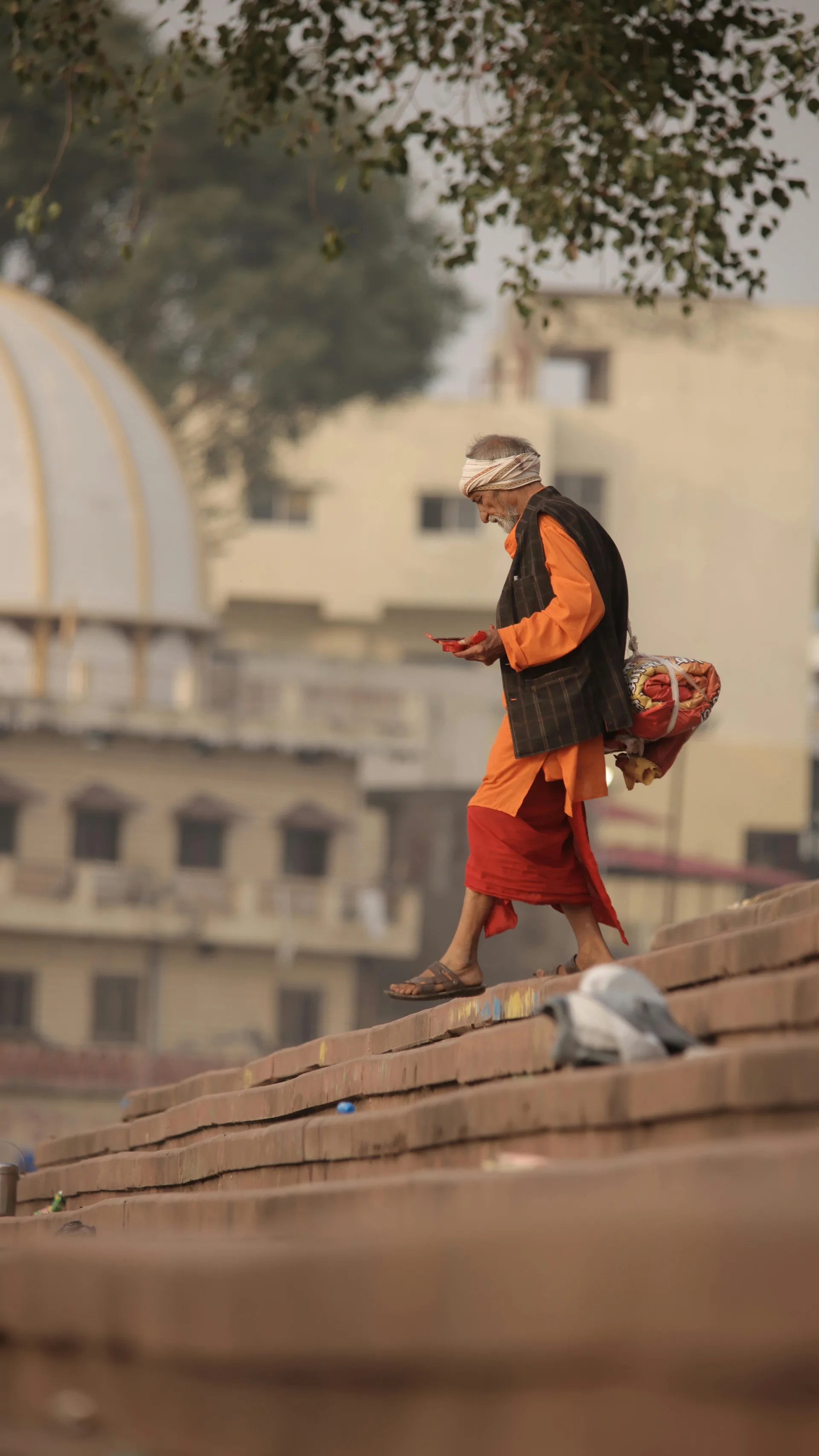
To truly understand Uttar Pradesh's spiritual essence, spend time in a temple not as a tourist but as a participant—attending morning prayers, learning mantras from priests, and sharing meals in community kitchens where all are welcomed equally regardless of caste or creed. This immersive approach reveals how spirituality functions as the foundation of daily life, influencing everything from business practices to family decisions. Many temples offer meditation programs specifically designed for visitors, providing tools and guidance for spiritual exploration within sacred spaces that have absorbed centuries of devotional energy.