Selecting Your Perfect Island Match & Understanding Island Personalities
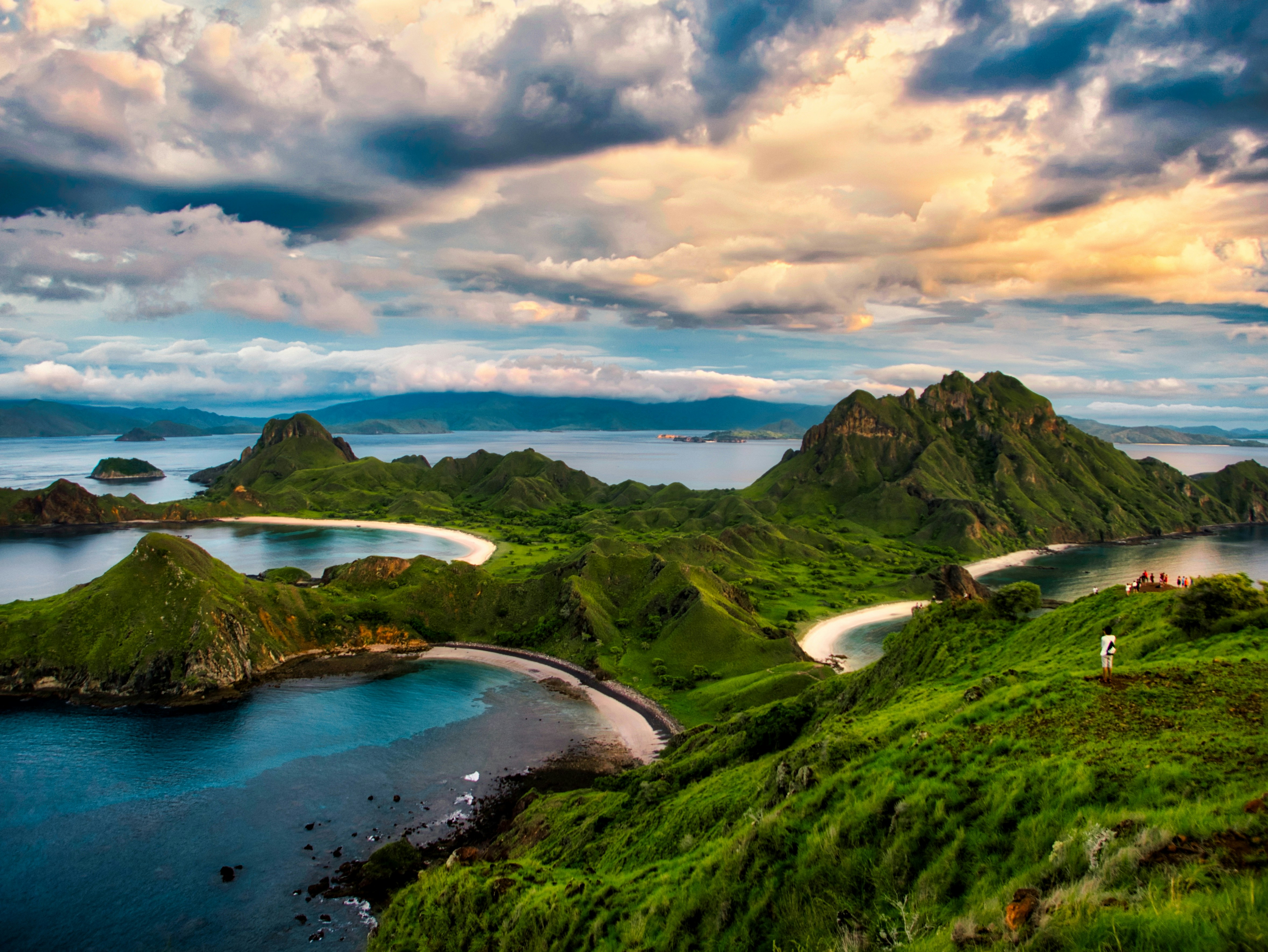
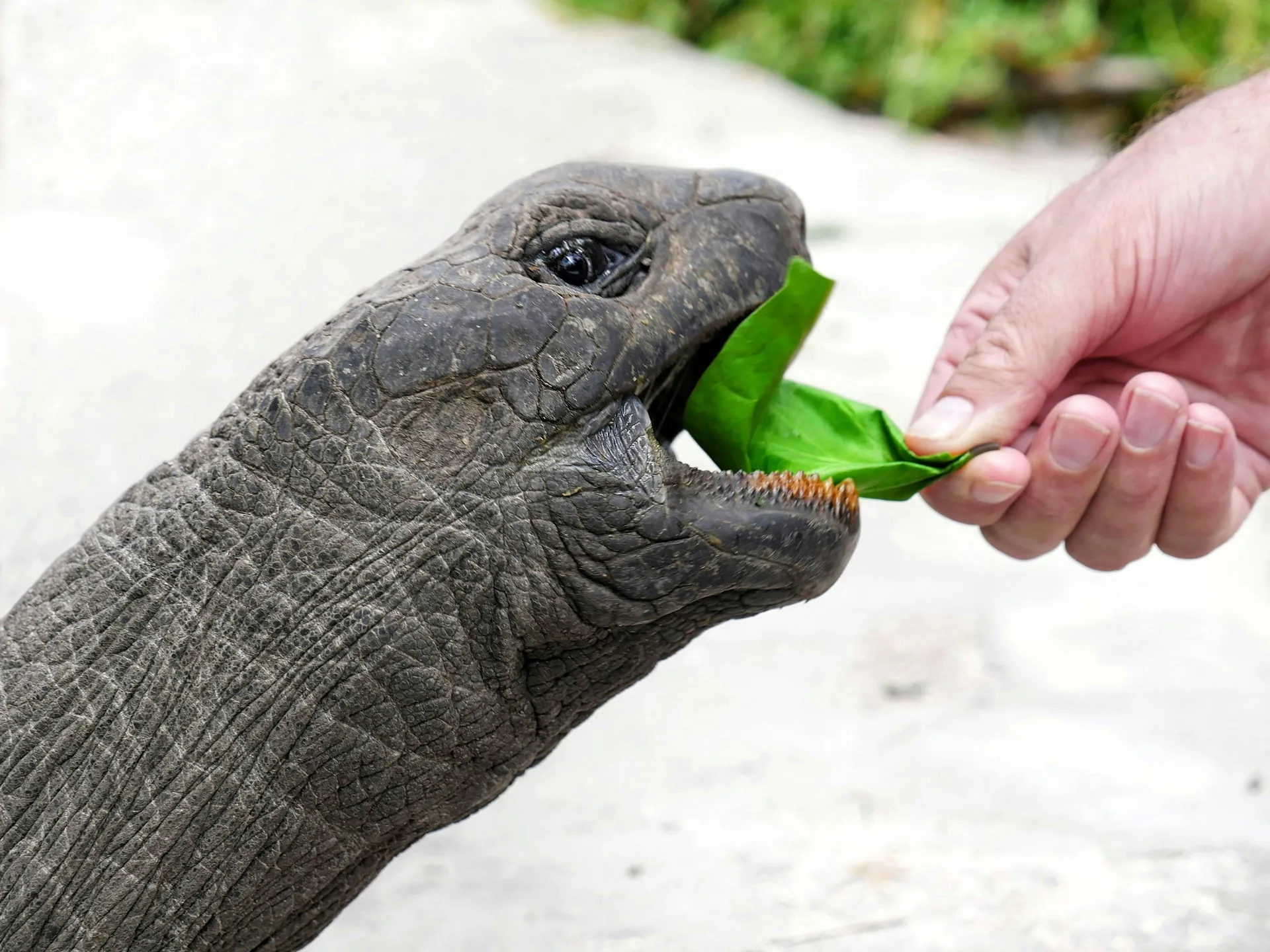
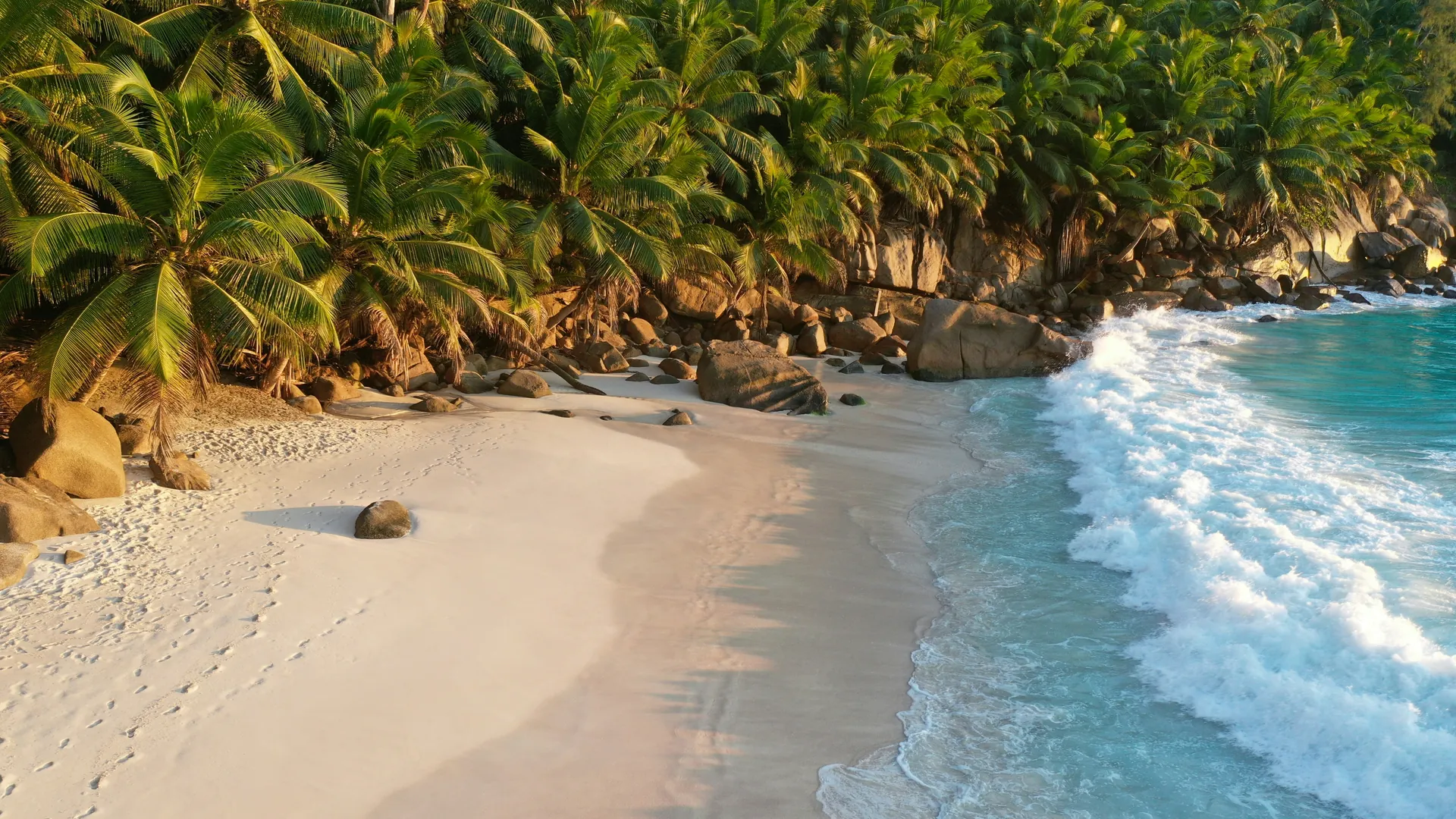
Choose Mahé, the largest Seychelles island, for cultural immersion, diverse dining options ranging from local street food to fine dining, and accessibility to hiking trails exploring mountainous terrain, water sports facilities, and vibrant Victoria market where authentic island life pulses daily. Mahé serves as the gateway island for most travelers, featuring the international airport, comprehensive medical facilities, and accommodation spanning budget guesthouses to luxury resorts, making it ideal for first-time visitors wanting both infrastructure and authentic experiences. Praslin appeals to nature lovers seeking the UNESCO World Heritage Vallée de Mai nature reserve harboring giant Coco-de-Mer palms and endemic bird species, world-class beaches like Anse Lazio renowned for dramatic granite boulders and pristine sand, and quieter island atmosphere perfect for those seeking respite from tourist crowds. Praslin delivers the quintessential Seychelles experience with excellent diving and snorkeling, charming guesthouses combining comfort with local character, and a slower pace allowing genuine connection with the environment and island culture. La Digue suits romantics and photographers wanting postcard-perfect scenery exemplified by Anse Source d'Argent's iconic granite formations and powdery beaches, intimate guesthouse experiences emphasizing personal service, and unhurried island rhythm where bicycles outnumber motorized vehicles. La Digue's scale—small enough to explore entirely by bicycle in a single day—makes it perfect for couples, photographers, and those seeking escape from modern bustle. Budget travelers benefit from Mahé's diverse accommodation options spanning affordable guesthouses to mid-range hotels, plus the lowest food and transportation costs among Seychelles islands. Honeymooners gravitate toward upscale Praslin and La Digue resorts offering seclusion, spa facilities, and romantic dining settings where sunset becomes a ceremony and privacy feels paramount.
Climate Patterns, Seasonal Weather & Optimal Timing
The dry season from May-September offers cooler temperatures (24-28°C), minimal rainfall, and excellent water conditions making it ideal for diving, snorkeling, and water sports with superior visibility reaching 25-40 meters. Southeast trades during this period create consistent breezes moderating tropical heat while occasionally generating chop on exposed reef edges, though protected lagoons and leeward sides offer calm conditions. The warm season from October-April brings higher humidity (75-85%), occasional heavy rains particularly November-December and March-April, yet weather remains good for most days with frequent sunshine between showers. Temperatures peak in November-December (29-32°C) and again in March-April, though sea conditions remain suitable for water activities despite occasional rollers on exposed sites. Intermediate seasons—April-May and September-October—deliver exceptional value with prices dropping 20-30% compared to established peak season, while weather remains excellent with fewer crowds and more personal attention from local businesses. Book accommodation in advance during June-August peak season (northern hemisphere holidays, school breaks) and November-February (Christmas holidays) to secure preferred properties, understanding that prices increase 30-50% during these concentrated periods. March-May and September-October represent ideal windows for discerning travelers prioritizing value, manageable crowds, and excellent conditions over absolute peak season premium experiences.
Budget Allocation, Cost Management & Smart Spending
Budget-conscious travelers should allocate 50% of their total Seychelles budget toward accommodation, which dominates expenses regardless of travel style, with options spanning $40-nightly guesthouses to $400+ luxury resorts. Food and beverages deserve 20% allocation, though this varies dramatically between restaurant dining ($15-40+ per meal) and self-catering using local market provisions ($5-10 per meal). Inter-island travel warrants 15% allocation accounting for inter-island ferries ($30-60 per journey), occasional speedboat transfers ($100-150), or internal flights ($100-200), with actual costs depending on movement frequency and island selection. Activities and experiences including diving certifications ($350-500), snorkeling excursions ($40-80), nature reserve entries ($10-20), and cultural experiences deserve the remaining 15%, though adventure enthusiasts often allocate more toward diving and water activities. Eating at local restaurants and food stalls instead of tourist establishments saves 40-50% on meal costs while offering authentic Creole cuisine featuring fresh seafood, coconut-based dishes, and island fruits at genuine prices reflecting local economics. Public ferries connecting the three main islands cost significantly less than private speedboats, making island-hopping affordable for budget travelers willing to accept slightly longer travel times (60-90 minutes versus 20-30 minutes) in exchange for substantial savings ($25 versus $100+ per journey).
Visa Requirements, Health Preparations & Documentary Essentials
Indian citizens receive automatic 30-day visas upon arrival without advance application, requiring only a valid passport with minimum 6 months validity from your departure date, making entry logistics refreshingly straightforward for Indian travelers. No vaccinations are mandatory for Seychelles entry, though malaria prophylaxis and dengue protection are recommended depending on your individual immunity status, current health conditions, and risk tolerance for tropical diseases. Visit your doctor 4-6 weeks before departure to discuss immunizations and receive personalized health advice specifically tailored for tropical island travel, including recommendations for hepatitis A/B boosters, typhoid protection, and mosquito-borne illness prevention strategies. Travel insurance covering water activities, diving (if planned), and emergency medical evacuation remains essential, as emergency care and evacuation to regional medical centers in Mauritius or South Africa can cost thousands of dollars without proper coverage. Comprehensive travel insurance should also address trip cancellations, lost luggage, and personal liability, providing peace of mind enabling full enjoyment of your island adventure. Ensure your travel insurance specifically covers water sports and diving if you plan underwater activities, as standard policies frequently exclude these higher-risk activities requiring explicit notation.
Packing Essentials, Final Preparations & Practical Considerations
Pack reef-safe sunscreen with minimum SPF 30 (SPF 50+ recommended), avoiding oxybenzone and octinoxate that damage marine ecosystems, alongside lightweight rain jackets for tropical downpours that arrive suddenly despite generally pleasant conditions. Bring medications and toiletries in sufficient quantities for your entire stay, as availability is limited on smaller islands (Praslin and La Digue), with prices substantially higher than mainland sources. Footwear planning deserves consideration: water shoes prevent injuries on rocky terrain surrounding granite beaches and reef entries, while reef sandals enable quick water access, and comfortable walking shoes suit hiking and island exploration. Book diving certifications before arrival if interested in underwater adventures, as on-island courses require multi-day time commitments better accomplished at home, while carrying certification cards enables immediate dive activity upon arrival. Arrange travel insurance covering water activities and emergency medical evacuation before departure, ensuring comprehensive protection unavailable for last-minute or in-country purchases. Consider purchasing a lightweight snorkeling kit (mask, snorkel, fins) if you have strong preferences about fit and comfort, though resorts and dive operators provide rentals at reasonable costs for those traveling light. Download offline maps of your chosen islands before arrival, as cellular and internet connectivity, while improving, remains inconsistent on smaller islands requiring self-navigation alternatives.