Marina Bay and Downtown Singapore: Gleaming Modernity
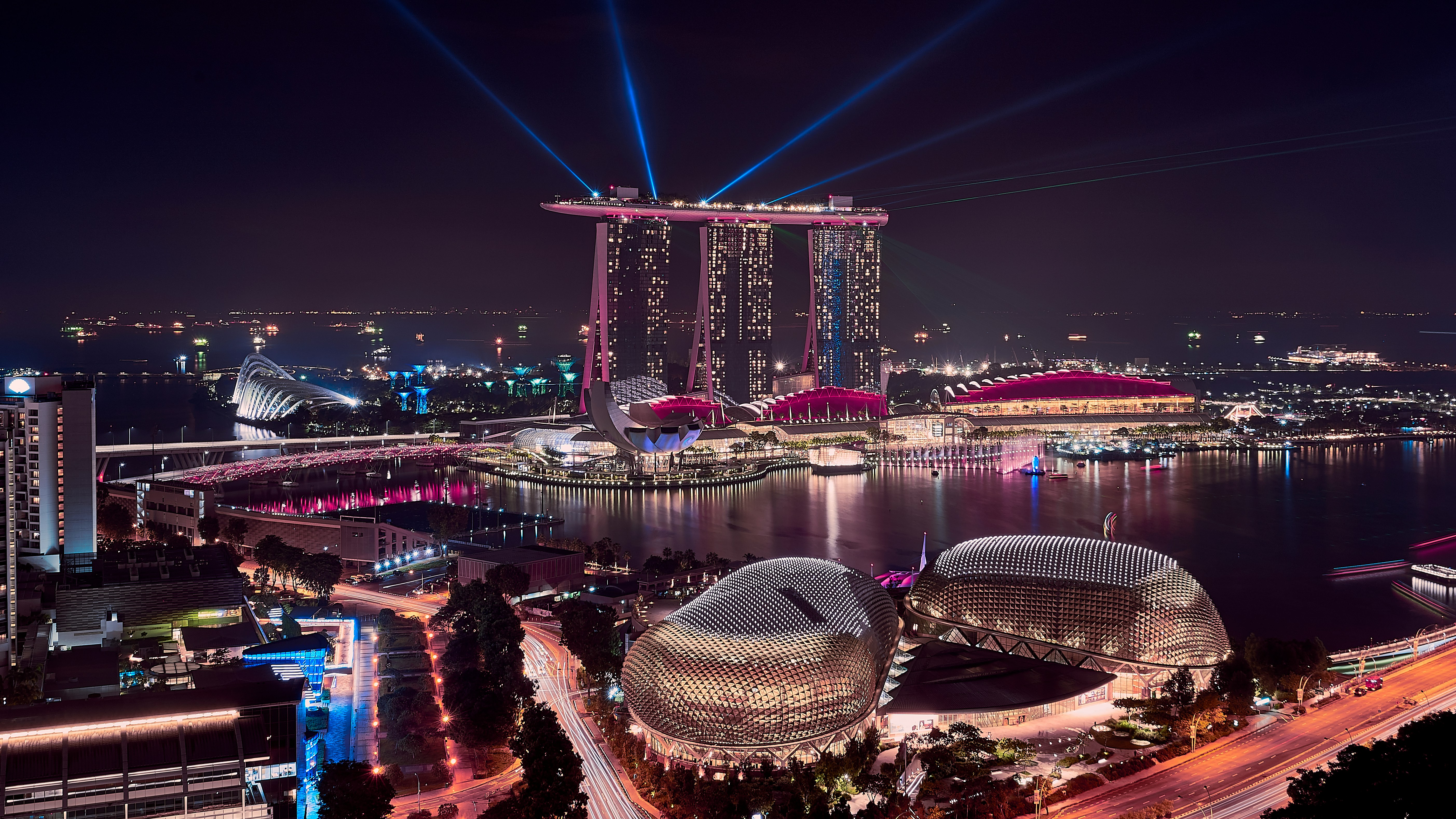
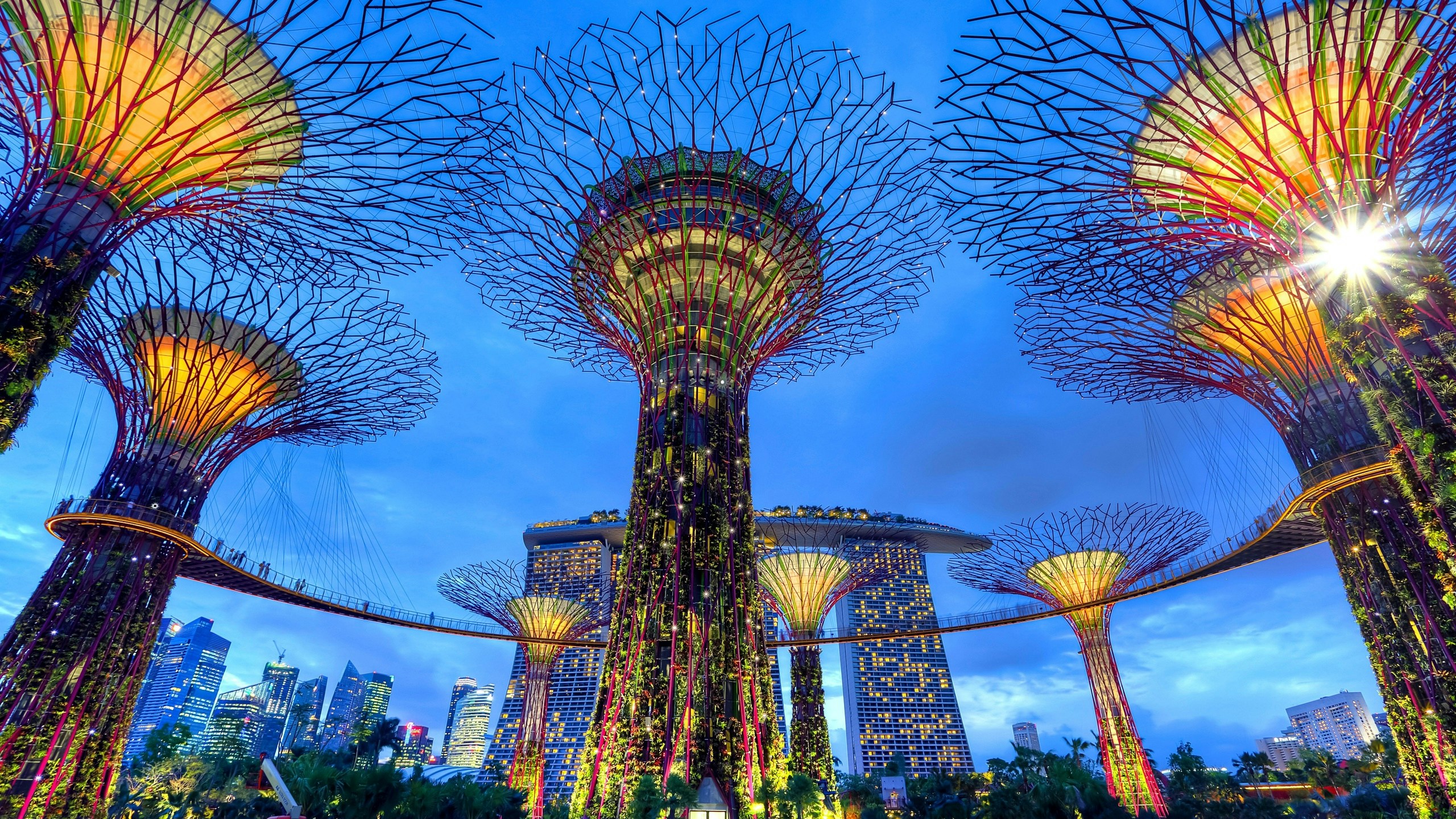
Singapore's downtown core centers around Marina Bay, where the iconic Marina Bay Sands hotel towers above futuristic architecture creating skyline instantly recognizable worldwide as symbol of contemporary Asian prosperity. The Gardens by the Bay showcase innovative horticultural design combining botanical excellence with cutting-edge architectural structures, featuring the Supertrees that light up evening skies in coordinated light shows creating Instagram-worthy moments alongside genuine botanical interest. The Singapore Flyer observation wheel offers 360-degree city views revealing Singapore's dense development pattern and surrounding offshore islands, providing geographic context understanding how city-state functions on limited land. Museums like the ArtScience Museum present unconventional collections blending art and science while residing in architecturally stunning structures that are themselves major attractions.
Cultural Neighborhoods and Ethnic Diversity
Chinatown retains authentic character despite gentrification, with traditional Chinese temples, herbal medicine shops, and food establishments continuing centuries-old practices alongside modern boutiques and cafes targeting contemporary visitors. Little India explodes in color and sensory richness, with Hindu temples, fabric markets, and Indian restaurants creating immersive cultural neighborhoods where you can spend hours observing daily commerce and community life. Kampong Glam features Arab Street's eclectic shophouses, Islamic architecture, and Middle Eastern cultural presence reflecting Singapore's diverse immigrant heritage integrated into colonial-era neighborhood. Arab Street's shops overflow with spices, textiles, and handicrafts from Middle Eastern and Central Asian sources, creating bazaar-like environments contrasting sharply with modern mall culture dominating Singapore.
Food Paradise and Culinary Experiences
Singapore's multicultural population created globally-recognized cuisine blending Chinese, Malay, Indian, and Western influences into unique Singaporean dishes like laksa, chicken rice, and chili crab that are national institutions. Hawker centers like Maxwell Food Centre and Chinatown Complex offer authentic food court experiences where professional vendors operate identical stalls for decades, maintaining consistent quality standards and earning devoted customer followings. Food is unquestionably affordable—excellent meals cost $3-6 SGD ($2-4 USD), making eating out financially equivalent to home cooking while offering professional preparation quality. Michelin-starred restaurants throughout Singapore cater to culinary enthusiasts with fine dining accessible at significantly lower costs than equivalent restaurants in Western cities.
Transportation and Getting Around Efficiently
Singapore's MRT (Mass Rapid Transit) subway system represents the world's most efficient public transportation, with trains arriving every 2-3 minutes during peak hours, excellent signage, and clean conditions making navigation intuitive for first-time visitors. Purchase an EZ-Link card for unlimited travel across MRT, buses, and light rail; monthly pass costs roughly $128 SGD ($95 USD) for unlimited travel, though tourists staying shorter periods should purchase distance-based cards loaded with transit credit. Taxis and ride-hailing services like Grab provide convenient alternatives but cost 3-5 times more than MRT, reserving motorized travel for nighttime transportation or specific logistical requirements. Cycling through designated bike lanes offers enjoyable transportation allowing different perspective on neighborhoods—bike rentals cost $10-15 per day.
Four-Day Itinerary and Practical Planning
Day 1: Marina Bay downtown attractions including Marina Bay Sands, Gardens by the Bay, and Singapore Flyer. Day 2: Chinatown and Little India exploring neighborhood culture and experiencing authentic food. Day 3: Kampong Glam Arab Street combined with cultural museums and historic sites. Day 4: Either extend neighborhood exploration, visit east coast beaches, or explore gardens like Singapore Botanic Gardens offering peaceful green space. Visit during November-January for optimal weather; February-October involves heat and humidity though no significantly worse than other tropical months.